

Jinsy Andrews, MD, MSc, FAAN, offered her perspective on the ongoing therapeutic boom in neuromuscular disease and some of the critical needs for physicians to keep up with a rapidly progressing treatment paradigm.
Jinsy Andrews, MD, MSc, FAAN, offered her perspective on the ongoing therapeutic boom in neuromuscular disease and some of the critical needs for physicians to keep up with a rapidly progressing treatment paradigm.

Using qualitative exploratory and quantitative validated questionnaires, investigators saw preparation and assessment time reduced by one-third, with a 60% increase in patient encounters to subspecialty services, compared with the period prior to the COVID-19 pandemic.
The president and CEO of the Muscular Dystrophy Association spoke about the highlights of this year’s annual meeting and the recent therapeutic advances for neuromuscular disorders. [WATCH TIME: 3 minutes]

Steven Wolf, MD, and Patricia McGoldrick, NP, MPA, MSN, offered their perspectives into the value of awareness days for rare disease communities and the potential to improve the diagnosis of LGS.
The chairman of the department of neurology at George Washington University discussed his presentation at MDA 2022 and the value of hearing patient perspective at the conference. [WATCH TIME: 2 minutes]

The director of neuromuscular clinical trials at Columbia University Irving Medical Center shared her perspective on the challenges of familiarizing oneself with the influx of novel medications for neuromuscular diseases. [WATCH TIME: 3 minutes]

Updates from the open-label, delayed-start period of the pivotal 2-part MOXIe trial (NCT02255435) support previous positive primary end points findings from part 2 of the study.

Amyloid-related imaging abnormalities, a concern for patients receiving aducanumab, were nearly all resolved during the 132-week period.

Vamorolone, an investigational agent for Duchenne muscular dystrophy, showed an initial disease-modifying effect that was maintained over a follow-up period of 48 weeks.
The division chief of neuromuscular disorders and vice-chair of research at Virginia Commonwealth University offered his insight into the advances in genetic approaches to LGMD. [WATCH TIME: 2 minutes]

The neurologist and assistant professor at the University of Toronto discussed advantages hyperspectral retinal imaging tools like RetiSpec offer and when clinicians can expect to see them in clinical settings.

Investigators compared the effect of cognitive behavior therapy for insomnia alone, continuous positive airway pressure alone, and combined treatment.

Data may be useful when analyzing disease progression and treatment efficacy in future facioscapulohumeral muscular dystrophy clinical trials.
The founding chair of the department of brain health at the University of Nevada Las Vegas discussed the plethora of Alzheimer disease biomarkers and the need for consensus on the value of each. [WATCH TIME: 3 minutes]

The treatment was well tolerated at 48 weeks in patients with DMD with a confirmed mutation amenable to exon 45 skipping.

The staff neurologist and medical director of the Barlo Multiple Sclerosis Program at St Michaels Hospital discussed how investigational BTK inhibitors will be used among an ever-growing MS treatment toolbox. [WATCH TIME: 3 minutes]

Part B of the 2-part study will have patients previously on placebo receive SRP-9001 for an additional 52 weeks.
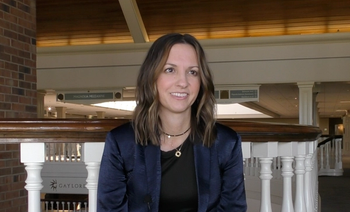
The 2022 MDA National Ambassador and patient with Bethlem myopathy spoke to the importance of including the patient perspective at medical meetings to improve the care paradigm in neuromuscular disorders. [WATCH TIME: 3 minutes]

After being originally approved as a generic medication in 1996, a new transdermal formulation of donepezil is expected to be available for patients with Alzheimer disease in the fall of 2022.

Individuals on ravulizumab demonstrated statistically significant changes in the primary end point of MG-ADL and in secondary end points such as Quantitative Myasthenia Gravis total score.
At 97 weeks, avalglucosidase alfa showed continued benefit on measures such as forced vital capacity and 6-minute walk test distance and was successful for patients who switched off algucosidase alfa.
Data from the phase 2 NURTURE study of nusinersen (Spinraza; Biogen) suggest that long-term treatment with the agent is beneficial, and point to the importance of newborn screening and early treatment for spinal muscular atrophy.

At months 6, 9, and 12 of treatment with daridorexant—which was recently FDA-approved for insomnia—patients improved on several sleep measures, including subjective total sleep time and daytime functioning.

The neurologist and assistant professor at the University of Toronto provided insight on the clinical use of retinal imaging tools like RetiSpec and the need for further validation of these approaches in Alzheimer disease. [WATCH TIME: 2 minutes]

Here's what is coming soon to NeurologyLive®.

The neurologist and assistant professor at the University of Toronto discussed data presented at CTAD 2021 on RetiSpec, a retinal imaging tool that predicts brain amyloid status. [WATCH TIME: 3 minutes]

Speaking on his own presentation on economic burden in MS, Bruce Bebo, PhD, further shared his thoughts on areas of unmet need and the potential relationship of Epstein-Barr virus and MS.
Test your neurology knowledge with NeurologyLive®'s weekly quiz series, featuring questions on a variety of clinical and historical neurology topics. This week's topic is sleep disorders.

Most of the 52 cognitive resilience proteins were found to be specific for cognitive decline and about 30% may provide resilience for both cognitive and noncognitive AD phenotypes.

A systematic literature review of randomized controlled trials in neuromyelitis optica spectrum disorder was performed, with 7 studies identified and 2 used in analyses.