
The FDA set a PDUFA date for risdiplam of May 24, 2020. The full 12-month data from the SUNFISH trial are expected to be presented at an upcoming medical meeting.
The FDA set a PDUFA date for risdiplam of May 24, 2020. The full 12-month data from the SUNFISH trial are expected to be presented at an upcoming medical meeting.

The chief medical officer at SK Life Science discussed what the sodium channel antagonist will offer those treating partial-onset seizures.
Neurology News Network for the week ending November 23, 2019.

The approval is supported by several studies which demonstrated the drug’s bioequivalence to Rilutek, the liquid riluzole formulation marketed by Sanofi.

Results from the phase 3 EVOLVE-MS-2 study demonstrate superior tolerability for now-approved diroximel fumarate compared to dimethyl fumarate.
The director of the Epilepsy Center and vice chair of the Neurological Institute for Strategy and Development at Cleveland Clinic detailed the transition patients and doctors make from the office to telemedicine.

The mesenchymal stem cell-neurotrophic factor cells met the primary safety end point and displayed early but promising signs of efficacy, prompting excitement among investigators for moving forward with phase 3 study.
SK Life Science’s sodium channel antagonist cenobamate was approved based on data from pivotal trials in nearly 2000 patients in which it reduced the median number of seizures per 28 days.

The phase 1/2 trial seeks to will assess the safety and efficacy of mesenchymal stem cells for the treatment of Alzheimer disease.
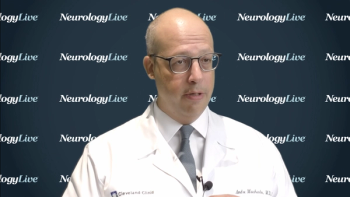
The Chairman of the Neurological Institute at Cleveland Clinic spoke to the history of neuromodulation and how it has evolved in clinical practice today.
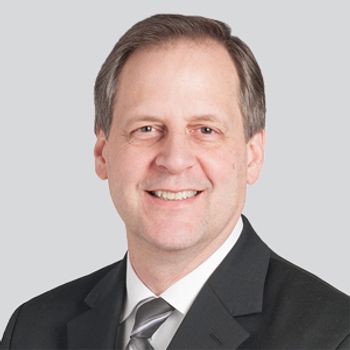
James Leverenz, MD, director of the Lou Ruvo Center for Brain Health at Cleveland Clinic, sat down to discuss the challenges faced in diagnosing Lewy body dementia.

Findings of a phase 2 assessment has suggested that otaplimastat can be safely administered in patients with stroke who are being treated with recombinant tissue plasminogen activator and is realistic to be further studied.
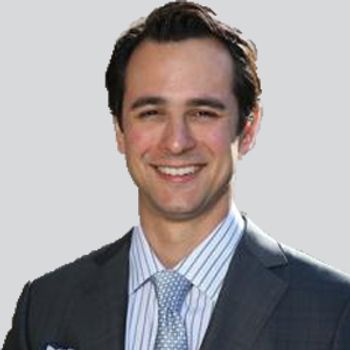
No progressive or delayed complications of treatment were recorded after 3 years in patients with essential tremor who underwent focused ultrasound.

The investigational new drug application for OWP Pharmaceuticals’ first-ever liquid formulation of topiramate, intended to offer a new delivery alternative for the therapy in epilepsy and migraine treatment, has been approved.
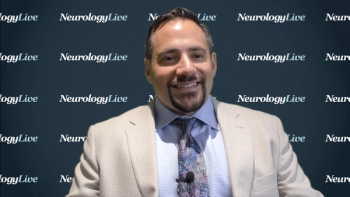
The spine surgeon in the Center for Spine Health at Cleveland Clinic discussed the importance of patient-reported outcomes for patients who are undergoing spine surgery.
A study comparing 2 doses of minocycline falls short as the drug failed to slow progression of cognitive or functional decline in people with AD.
The director of the Epilepsy Center and vice chair of the Neurological Institute for Strategy and Development at Cleveland Clinic discussed the advanced application of telemedicine at Cleveland Clinic.

An analysis of ACHIEVE II suggests that the oral CGRP antagonist from Allergan provides significant pain freedom and relief of the most bothersome symptoms for adults with migraine for at least one dose assessed.
The spine surgeon in the Center for Spine Health at Cleveland Clinic spoke about the improvements in minimally invasive surgery and the areas ripe for innovation.
The neurologist at the Huntington’s Disease Center at University College London spoke about the clinical development of RG6042 in the treatment of Huntington disease, and what to expect from the GENERATION HD1 study.

A lower target for low-density lipoprotein is associated with a greater reduction in cardiovascular events after ischemic stroke over a higher LDL target.

SK Life Science’s investigational agent cenobamate has shown an ability to significantly reduce focal-onset seizures in doses of 100, 200, and 400-mg compared to placebo. An NDA was filed for the therapy in early 2019.
The director of the Epilepsy Center at Cleveland Clinic reviewed the role that wearable technology can play in detecting seizures in patients with epilepsy.
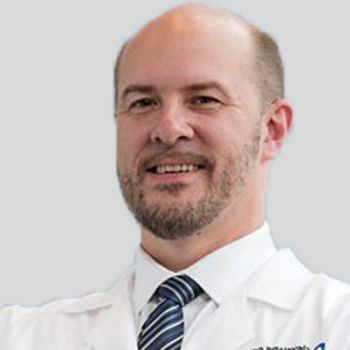
Benjamin Walter, MD, medical director of the Deep Brain Stimulation Program at Cleveland Clinic shared his personal experience with deep brain stimulation and focused ultrasound and the potential of the procedures.
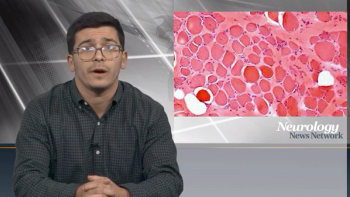
Neurology News Network for the week ending November 16, 2019.

Data from a new study demonstrates valbenazine’s ability to effectively reduce TD symptoms over a long-term period.
The director of the Epilepsy Center at Cleveland Clinic discussed why cannabidiol should be used cautiously in patients with epilepsy.
The medical director of the Deep Brain Stimulation Program at Cleveland Clinic discussed how the medical field is beginning to explore the full range of focused ultrasound’s capabilities to aid treatment in Parkinson disease.
Pooled analysis from 3 studies of more than 1000 patients with migraine suggest that galcanezumab (Emgality, Eli Lilly) has good cardiovascular safety and is not linked with vasoconstriction or an increase in cardiovascular adverse events.

An automated deep neural network, SpikeNet, performed at or above the accuracy, sensitivity, and specificity of fellowship-trained clinical experts in identifying interictal epileptiform discharges.