
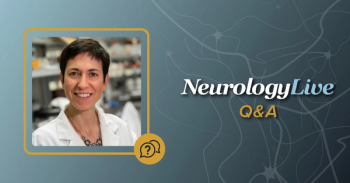
Carmela Tartaglia, MD, FRCPC, discusses the challenges of diagnosing frontotemporal dementia, the evolving role of biomarkers, and emerging approaches to disease modification.
Carmela Tartaglia, MD, FRCPC, discusses the challenges of diagnosing frontotemporal dementia, the evolving role of biomarkers, and emerging approaches to disease modification.
Catch up on any of the neurology headlines you may have missed in September 2026, compiled into 1 place by the NeurologyLive® team.

Newly announced Phase 4 THRIVE trial results showed most patients who previously had an inadequate response to a CGRP-targeting therapy improved with eptinezumab over 24 weeks.

Phase 3 ARISE trial results show solengepras 150 mg significantly reduced OFF time and improved motor and non-motor symptoms in Parkinson disease.

New cerebrospinal fluid biomarker data suggest shared LRRK2 pathway activation across sporadic and LRRK2-associated Parkinson disease, potentially informing biomarker development and therapeutic targeting.

An MDS 2026 plenary speaker discusses the evolving role of infusion therapies, deep brain stimulation, and focused ultrasound in Parkinson disease, including when to consider device-aided therapies and how treatment selection can be individualized.

Mitzi Joi Williams, MD, is joined by Jakai McEwen, DO, and Charnetta Colton-Poole, MD, to discuss the challenges of communication between patients and their health care teams, including navigating medical language, promoting shared decision-making, and advocating for clear, patient-centered care.

Christen Kutz, PhD, PA-C, discusses a retrospective survey of neurology providers examining why patients with generalized myasthenia gravis are transitioning to nipocalimab and what real-world outcomes data suggest about its role in the treatment landscape.

Carlos Cruchaga, PhD, director of the NeuroGenomics and Informatics Center at Washington University, discusses emerging blood-based biomarkers for monitoring biological and cognitive responses to lecanemab treatment in Alzheimer disease.

Phase 2a trial results showed 800 mg vutiglabridin significantly improved motor symptom scores compared with placebo in early-stage Parkinson's disease.
Investigational oral dopamine agonist prodrug boosts good ON-time, cuts OFF-time and dyskinesia, and reduces levodopa in advanced Parkinson disease, as phase 2 begins.

The associate vice president of clinical research at the Parkinson's Foundation discussed a large-scale replication of rs3115534-G, a noncoding GBA1 variant tied to Parkinson disease in people of African ancestry.

At a NeurologyLive Clinical Forum in Philadelphia, Jessica D. Schulte, MD, PhD, of NYU Grossman School of Medicine, discussed how earlier recognition and systemic therapy options are changing the treatment paradigm for patients with NF1-associated plexiform neurofibromas.

Benjamin Walter, MD, MBA, discusses how advances in biomarker testing and genetic characterization are informing Parkinson disease care, alongside developments in adaptive deep brain stimulation and efforts to identify disease earlier.
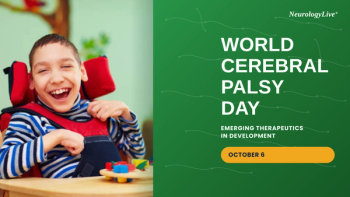
Seven investigational cerebral palsy therapies—from baby-tooth stem cells to cannabinoids and botulinum toxin—show mixed early results, highlighting key clinical trial milestones ahead.

Late-breaking findings from MDS 2026 suggest a gluten-free diet may affect cognitive and quality-of-life measures in Parkinson disease, although no significant changes in motor function were observed.

Exploratory extracellular vesicle biomarkers suggested KP405, a brain-penetrant GLP-1/GIP agonist, engaged insulin signaling and neuroinflammation pathways in a small phase 1 study.

Early phase 1 findings showed that the PROTAC LRRK2 degrader ARV-102 was associated with improvements in saccadic hypometria and changes in CSF markers of endolysosomal function, neuroinflammation, synaptic integrity, and axonal guidance in participants with Parkinson disease.

Full results from the phase 2b LUMA showed that investigational BIIB122/DNL151 did not slow confirmed clinical worsening in early-stage Parkinson's disease compared with placebo.

The associate vice president of clinical research at the Parkinson's Foundation discussed new PD GENEration data validating a GBA1 intronic risk variant for Parkinson disease. [WATCH TIME: 6 minutes]

New analyses from the D1AMOND clinical program found that 69.8% of participants achieved a clinically meaningful reduction in tic severity within 8 weeks of ecopipam treatment, while an interim 18-month analysis showed sustained improvement without new safety signals.

Here's some of what is coming soon to NeurologyLive® this week.

PROPEL will test imeroprubart, an investigational FcRn blocker, against placebo in adults with mild to severe generalized myasthenia gravis.

Test your neurology knowledge with NeurologyLive®'s weekly quiz series, featuring questions on a variety of clinical and historical neurology topics. This week's topic is the history of MDS!

New data from a Cure SMA survey showed that children treated with disease-modifying therapy soon after birth walk more often and have fewer comorbidities than those treated later.

A new Bayesian network meta-analysis found nipocalimab's serious adverse event rates compared favorably with other gMG therapies, while overall adverse event rates were comparable.

An updated open-label extension analysis and new MRI data from the phase 3 EPIDYS trial, presented at the 2026 AANEM Annual Meeting, add to the evidence for givinostat's long-term effects on disease progression.

Take 5 minutes to catch up on NeurologyLive®'s highlights from the week ending October 2, 2026.

The chairman of the Neurology Service Line at Baptist Health in Kentucky discusses PREVAIL findings on clinical deterioration, rescue therapy use, and hospitalization with gefurulimab in generalized myasthenia gravis. [WATCH TIME: 3 minutes]

Findings from the phase 3 TransportNPC study showed that Trappsol Cyclo missed the primary end point in Niemann-Pick type C, but subgroup and survival data support planned 2026 NDA.