News
Advertisement
Advertisement
Advertisement

In those with MS treated with subcutaneous interferon beta-1a, Magnetic Resonance Imaging in multiple sclerosis scores may be predictive of the time to new clinical disease activity and disease progression.

In order to better understand the clinical and economic impacts of nonadherence to disease-modifying therapy, the investigators conducted a cost-consequence analysis among patients taking once- or twice-daily DMTs.
Advertisement

The investigators sought to compare a 6-week, in-person intervention with CBT for insomnia and a brief education program in patients with MS who reported symptoms of insomnia.

This device, which is being prepared to launch in the US market later this year, is an alternative treatment option for acute migraine.

The subgroups were defined by baseline characteristics that are known to be potential modifiers of risk to conversion to clinically-definite multiple sclerosis, including age, gender, first classification of demyelinating event, presence of T1 Gd+ lesions, and number of active T2 lesions.

Results of the large, long-term, population-based study suggest that statin therapy in older adults who experience a concussion may help reduce the deleterious effects of brain injury.
The director of the Jefferson Headache Center at Jefferson University Hospital discussed the need for physicians to revisit how they treat patients with chronic migraine who have developed medication overuse headache.

The National Organization for Rare Disorders is home base for more than 300 member organizations that serve not just patients, but providers who care for those with rare disorders, such as SMA and Duchenne muscular dystrophy.

Neurology News Network for the week ending May 25, 2019.

Zolgensma, an adeno-associated virus vector-based, one-time gene therapy administered via intravenous infusion, is the first and only FDA-approved gene therapy for SMA.

The anti-CGRP agent was shown to decrease monthly migraine days, in addition to having higher ≥50% and ≥75% responder rates, reductions in acute medication use, and enhancements in MSQ RF-R domain scores for patients who failed ≥2 more preventives.

The Director of the Multiple Sclerosis and Hereditary Neuropathy Centers at Seton Hall-Hackensack Meridian School of Medicine shared insight into what clinicians should know about Charcot-Marie-Tooth disease.
The chief medical officer and head of Research & Development at Ovid Therapeutics spoke about what prompted the development of this scale to measure improvement for patients with Fragile X syndrome, and possibly other conditions.

Despite a 40-fold increase in the use of LAAC in a 9-year period, those who had a history of stroke with major bleeds and higher comorbidity were less likely to have LAAC.

Similar rates of successful clinical and procedural EVT outcomes were reported in patients with and without prestroke disability; however, prospective studies are needed to confirm this finding.

Autism diagnostic stability starts early, much MS misdiagnosis and unnecessary medication, CBD reduces seizures in children, and other recent findings are summarized here.

An MDA panel has stated that accessibility of advanced screening, the introduction of effective treatment, and the support of professional organizations could, and should, prompt the expansion of newborn screening.
The research fellow in the Department of Radiology at Mayo Clinic Jacksonville spoke about the reasoning for conducting this study and what the findings mean for physicians in clinical practice.
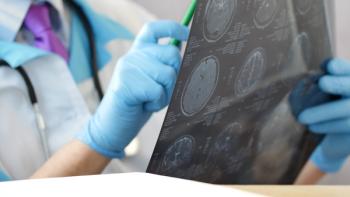
Patients with drug-resistant seizures should have an epilepsy center evaluation to confirm the diagnosis and determine the epilepsy syndrome and possible candidacy for neurosurgery. Guidelines here.
Advertisement
Advertisement
Trending on NeurologyLive - Clinical Neurology News and Neurology Expert Insights
1
FDA Clears PrecivityAD2 Alzheimer Blood Test for Symptomatic Patients 40 and Older
2
NeurologyLive® Friday 5 — August 21, 2026
3
Episode 173: Exploring the Emerging Role of GLP-1 Therapies in Neurology
4
TEMPO-2 Data Supports Tavapadon’s Efficacy in Early-Stage Parkinson Disease
5