

The FDA had accepted a new drug application for the inhaled levodopa therapy for the treatment of OFF period symptoms in patients with Parkinson disease who are taking a carbidopa/levodopa regimen.
The FDA had accepted a new drug application for the inhaled levodopa therapy for the treatment of OFF period symptoms in patients with Parkinson disease who are taking a carbidopa/levodopa regimen.

The once-daily therapy will be available in 3 doses—129 mg, 193 mg, and 258 mg—giving patients flexibility in regimen setting among the options.
The FDA has expanded the approval for the Trevo clot retrieval device to allow for thrombectomy up to 24 hours after the development of symptoms in patients with acute ischemic stroke.

The perception of good vibes and bad vibes is among the most difficult human experiences to define. The feeling that something “feels right” or that something “just isn’t right” has been attributed to multiple factors.

The injection therapy now has an indication for use in either 40 mg/mL or 20 mg/mL doses, with the lower dose having been approved in June 2015.

In a head-to-head comparison, levetiracetam was shown to increase the rate of infants free of monotherapy failure by 28% more than phenobarbital in pediatric patients with nonsyndromic epilepsy.

The encephalitis lethargica epidemic of 1916-1930 is estimated to have affected at least half a million of people in Europe and still remains a mystery.

Research points to a genetic etiology for 5 major psychiatric disorders. Do these disorders have shared genes?
The smartwatch detected 40 generalized tonic-clonic seizures with 100% accuracy in a supporting clinical trial of 135 patients.
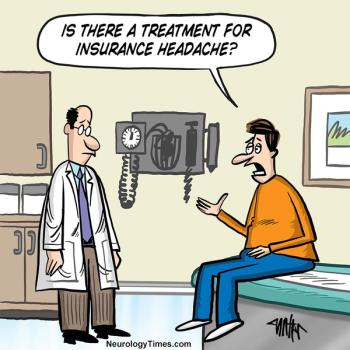
Is there a treatment for this?

The synthetic cannabis-like therapy dronabinol was effectively used to treated patients with obstructive sleep apnea, offering a potentially better alternative to CPAP machines.
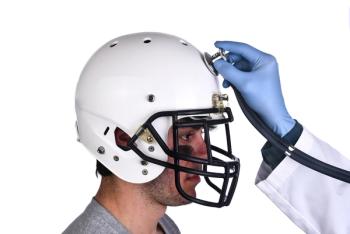
Recognizing the need for objective markers of brain injury, researchers have dedicated extensive efforts to developing concussion biomarkers.
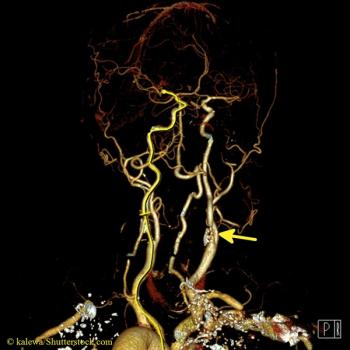
Treatment-induced neuropathy of diabetes, also called insulin neuritis, may be more common than previously thought.
The FDA has approved the Riptide Aspiration System for thrombus retrieval via the Arc Catheter for revascularization in patients with acute ischemic stroke secondary to intracranial large vessel occlusive disease.
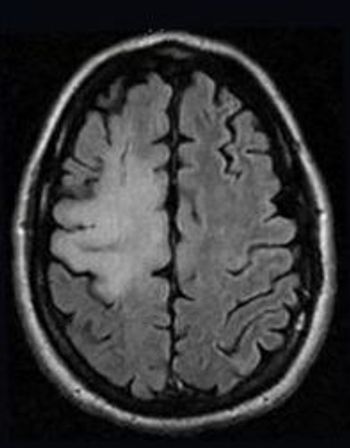
On the challenges of treating progressive multifocal leukoencephalopathy in MS patients.

The findings reveal that taurine could be could be added to an MS therapy regimen to boost mature oligodendrocyte production, and in turn, remyelination.

Two more novel therapies are quickly following the first approval in 2 decades for ALS.

A new forecast model has revealed that an additional 9 million people will develop AD over the next 40 years.

The FDA has granted a priority review designation to fremanezumab for the prevention of migraines.

The FDA has accepted a biologics license application for galcanezumab as a prophylactic treatment for migraines.
Featured CMEs for neurology, neuro-ophthalmology, neuroradiology, and neurosurgery, as well as a range of other topics.

The practice of forcing left-handers to use their right hand is a long as human history and found in most societies. In fact, the words “left” and “left-handed” are synonyms for “defective” or “sinister” in almost all the world’s languages. More in this interview.
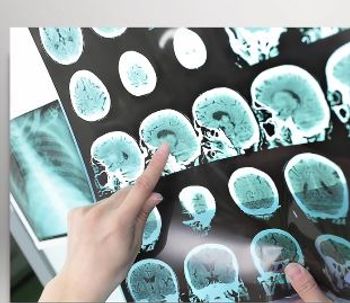
A study of over 80,000 patients confirmed another strong reason to prevent young people from repetitive head blows.


Do you want to make your voice heard? Then join the Neurology Times Advisory Board!

If you could bring only one book or film with you to a desert island, what would it be?
Causes of concussion include direct trauma, rapid acceleration-deceleration, and blast injury. Dr. Wilner discusses recent literature.

Given the severity and treatment resistance of menstrual migraine, clinicians should watch for the signs and symptoms discussed in this case.
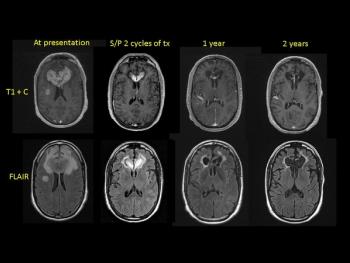
Primary central nervous system lymphoma (PCNSL) is a rare but aggressive malignancy that accounts for approximately 3% of all primary CNS cancer. New studies have changed the landscape of PCNSL treatment paradigms and expectations for outcome.