Advancing Dravet Syndrome Care with Genetic Testing in Clinical Practice
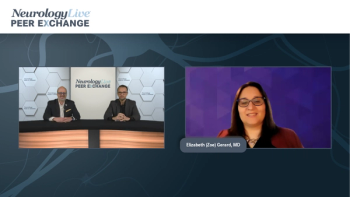
Welcome back to another Neurology Live Peer Exchange series. In this episode titled, “Recognizing Dravet Syndrome in Patients with Unexplained Epilepsy,” expert faculty discuss the burden and heterogeneity of epilepsy and the challenges clinicians face when evaluating patients with unexplained seizures.
In this episode, “Identifying Dravet Syndrome Earlier with Genetic Testing,” the panelists explore the clinical scenarios that should prompt consideration of a genetic etiology in patients with unexplained epilepsy.
In “Dravet Syndrome Diagnosis and the Impact of Genetic Testing in Epilepsy,” our panel explores the growing role of genetic testing in confirming a diagnosis of Dravet syndrome and the clinical implications of identifying pathogenic SCN1A variants.
This episode, titled “Genetic Testing Approaches in Dravet Syndrome,” features panelists discussing the rapidly evolving landscape of genetic testing and how clinicians can navigate the growing number of testing options available for patients with suspected Dravet syndrome.
In this episode, “Navigating Unresolved Genetic Findings in Dravet Syndrome,” the panelists explore the challenges clinicians face when genetic testing fails to identify a clear cause of disease and discuss the importance of ongoing re-evaluation in patients with suspected genetic epilepsies.
In “The Role of Genetic Counseling and Community Resources in Dravet Syndrome,” our panel explores the critical role genetic counselors play throughout the genetic testing process and the broader impact of establishing a molecular diagnosis for patients with Dravet syndrome and other genetic epilepsies
In “Interpreting Variants of Uncertain Significance in Dravet Syndrome,” our panel explores one of the most challenging aspects of genetic testing: the interpretation and clinical management of variants of uncertain significance (VUS).
In this episode “Current Treatment Strategies for Dravet Syndrome,” the panelists explore how genetic findings influence treatment selection and long-term management in Dravet syndrome. Expert faculty discuss the practical realities of treating patients when clinical suspicion for Dravet syndrome exists before genetic confirmation is available, emphasizing the importance of initiating appropriate management early and avoiding therapies that may worsen outcomes.
In “Dravet Syndrome Managing Refractory Seizures Across the Lifespan,” our panel explores the ongoing challenges of treating refractory seizures in patients with Dravet syndrome despite significant advances in available therapies.
This episode, titled “Dravet Syndrome Treatment Monitoring and Goals for Long-Term Management,” features panelists discussing the practical considerations that guide treatment selection and ongoing management for patients with Dravet syndrome.
In “Unmet Needs and the Impact of Disease Modifying Therapies in Dravet Syndrome,” the panelists explore the limitations of current treatment approaches and discusses how emerging disease-modifying therapies may transform the future management of Dravet syndrome. Expert faculty review the significant advances achieved with currently available antiseizure medications while acknowledging that substantial unmet needs remain for many patients and families.
In “Emerging Therapies in Dravet Syndrome,” our panel explores how investigational therapies may reshape the future treatment landscape for patients with Dravet syndrome.
This episode, titled “Dravet Syndrome Disease Modification Beyond Seizure Control,” features panelists discussing the evolving role of disease-modifying therapies across the full spectrum of Dravet syndrome, including adolescents and adults.
In this episode, “Family Burden and Lifelong Care Planning in Dravet Syndrome,” the panelists explore the far-reaching impact of Dravet syndrome on caregivers, families, and support networks.
