
Opinion|Videos|June 19, 2026 (Updated: June 19, 2026)
Interpreting Variants of Uncertain Significance in Dravet Syndrome
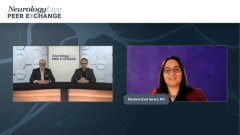
In “Interpreting Variants of Uncertain Significance in Dravet Syndrome,” our panel explores one of the most challenging aspects of genetic testing: the interpretation and clinical management of variants of uncertain significance (VUS).
Advertisement
Episodes in this series
In “Interpreting Variants of Uncertain Significance in Dravet Syndrome,” our panel explores one of the most challenging aspects of genetic testing: the interpretation and clinical management of variants of uncertain significance (VUS). Expert faculty discuss how clinicians should approach inconclusive genetic findings, emphasizing that a VUS is neither a positive nor a negative result and should not automatically be assumed to explain a patient’s epilepsy. The panel reviews the major categories of genetic testing results—negative findings, pathogenic or likely pathogenic variants, and VUS—and highlights common pitfalls that can occur when interpreting these reports in clinical practice.
The discussion focuses on practical strategies for evaluating uncertain findings, including periodic reanalysis of genetic data, use of specialized databases and prediction tools, family testing, and consultation with genetics experts when clinical suspicion remains high. Panelists explain how advances in genetic knowledge continue to refine variant interpretation and why current recommendations support reassessment of genetic findings over time. They also review the importance of correlating genetic results with clinical presentation, particularly in patients with suspected Dravet syndrome and SCN1A-related epilepsies.
Throughout the conversation, the panel emphasizes the value of multidisciplinary collaboration among neurologists, geneticists, genetic counselors, and diagnostic laboratories when evaluating uncertain findings. Faculty discuss how a strong clinical phenotype can help prioritize variants for further investigation and identify situations in which additional testing or research-based evaluation may be warranted. The episode highlights the evolving nature of genetic interpretation and provides clinicians with practical guidance for navigating uncertainty while maintaining a patient-centered approach to care.
In the next episode, “Current Treatment Strategies for Dravet Syndrome,” panelists will review the current standard of care for Dravet syndrome, including first-line and adjunctive treatment options, treatment goals, and factors that influence therapy selection. The panel will also explore the potential role of disease-modifying therapies in addressing long-term neurological outcomes beyond seizure control.
Advertisement
Related to this article

Test your neurology knowledge with NeurologyLive®'s weekly quiz series, featuring questions on a variety of clinical and historical neurology topics. This week's topic is Parkinson disease biomarkers!
A retrospective cohort study found DTI-ALPS, a glymphatic function marker, did not independently predict survival in glioblastoma beyond extent of resection and sex.
The approval, based on phase 3 IB1001-303 trial data showing consistent SARA scale improvement, makes levacetylleucine the first treatment approved specifically for ataxia-telangiectasia.
Take 5 minutes to catch up on NeurologyLive®'s highlights from the week ending September 18, 2026.
A published protocol outlines the randomized, open-label EPOCH trial testing whether cilostazol accelerates hematoma resorption and improves recovery after intracerebral hemorrhage.

Brian Lin, PhD, discussed the current evidence linking football participation with ALS, the questions that remain unanswered, and how emerging research may help clarify the association.

Mind Moments®, a podcast from NeurologyLive®, brings you an exclusive interview with Jennifer Fokas, MD, and Minali Nigam, MD. [LISTEN TIME: 21 minutes]

A recent MS cohort study suggests that higher EBV nuclear antigen 1 antibody levels are associated with a lower risk of confirmed disability worsening, particularly among patients carrying both HLA-A02:01 and HLA-DRB115:01.
Advertisement
Advertisement
Trending on NeurologyLive - Clinical Neurology News and Neurology Expert Insights
1
FDA Approves Levacetylleucine for Ataxia-Telangiectasia
2
FDA Clears Phase 1b/2 Trial of CAR T-Cell Therapy C-CAR168 for Refractory Progressive Multiple Sclerosis
3
FDA Approves UX111, First Gene Therapy for Pediatric Sanfilippo Syndrome Type A
4
Episode 175: Advancing the Ways of Treating Cluster Headache
5