
Opinion|Videos|June 19, 2026 (Updated: June 19, 2026)
Emerging Therapies in Dravet Syndrome
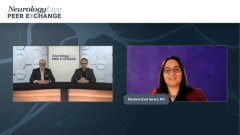
In “Emerging Therapies in Dravet Syndrome,” our panel explores how investigational therapies may reshape the future treatment landscape for patients with Dravet syndrome.
Advertisement
Episodes in this series
In “Emerging Therapies in Dravet Syndrome,” our panel explores how investigational therapies may reshape the future treatment landscape for patients with Dravet syndrome. Building on previous discussions of unmet needs and the limitations of current antiseizure therapies, the expert faculty review several agents currently in clinical development and discuss their potential roles in clinical practice.
The panel begins by examining emerging serotonergic therapies, including clemizole and bexicaserin, highlighting their mechanisms of action, early efficacy signals, and potential advantages compared with existing treatment options. Faculty discuss how these agents may expand seizure-management strategies while potentially reducing some of the monitoring burdens associated with currently available therapies.
The conversation then shifts to disease-modifying approaches targeting the underlying biology of Dravet syndrome. Panelists review zorevunersen, an antisense oligonucleotide designed to increase expression of functional SCN1A, and ETX101, a gene therapy intended to enhance SCN1A activity through a one-time treatment approach. Expert faculty compare the mechanisms, administration considerations, and potential advantages and limitations of each strategy.
The discussion also highlights early clinical findings, including substantial reductions in convulsive seizure frequency, encouraging safety observations, and emerging evidence suggesting improvements in developmental and adaptive functioning. Faculty emphasize that these therapies are being evaluated not only for seizure control but also for their potential to influence broader disease manifestations and long-term outcomes. Throughout the episode, panelists discuss the implications of these data across different age groups and consider how disease-modifying therapies may alter the treatment paradigm for Dravet syndrome by addressing the underlying genetic cause rather than managing seizures alone.
Our next episode, “Dravet Syndrome Disease Modification Beyond Seizure Control,” features the panelists discussing how disease-modifying therapies may benefit adolescents and adults with Dravet syndrome, including those with relatively well-controlled seizures. The expert faculty explore the potential impact of these therapies on cognition, behavior, functional outcomes, and long-term quality of life while considering how they may work alongside existing antiseizure medications.
Advertisement
Related to this article
Test your neurology knowledge with NeurologyLive®'s weekly quiz series, featuring questions on a variety of clinical and historical neurology topics. This week's topic is Parkinson disease biomarkers!
A retrospective cohort study found DTI-ALPS, a glymphatic function marker, did not independently predict survival in glioblastoma beyond extent of resection and sex.
The approval, based on phase 3 IB1001-303 trial data showing consistent SARA scale improvement, makes levacetylleucine the first treatment approved specifically for ataxia-telangiectasia.

Take 5 minutes to catch up on NeurologyLive®'s highlights from the week ending September 18, 2026.
A published protocol outlines the randomized, open-label EPOCH trial testing whether cilostazol accelerates hematoma resorption and improves recovery after intracerebral hemorrhage.

Brian Lin, PhD, discussed the current evidence linking football participation with ALS, the questions that remain unanswered, and how emerging research may help clarify the association.

Mind Moments®, a podcast from NeurologyLive®, brings you an exclusive interview with Jennifer Fokas, MD, and Minali Nigam, MD. [LISTEN TIME: 21 minutes]

A recent MS cohort study suggests that higher EBV nuclear antigen 1 antibody levels are associated with a lower risk of confirmed disability worsening, particularly among patients carrying both HLA-A02:01 and HLA-DRB115:01.
Advertisement
Advertisement
Trending on NeurologyLive - Clinical Neurology News and Neurology Expert Insights
1
FDA Approves Levacetylleucine for Ataxia-Telangiectasia
2
FDA Clears Phase 1b/2 Trial of CAR T-Cell Therapy C-CAR168 for Refractory Progressive Multiple Sclerosis
3
FDA Approves UX111, First Gene Therapy for Pediatric Sanfilippo Syndrome Type A
4
Episode 175: Advancing the Ways of Treating Cluster Headache
5