
The director of the Montefiore Headache Center and professor of neurology at Albert Einstein College of Medicine spoke about the results of an analysis of eptinezumab’s effect on the severity of migraine and its impact on patients’ lives.
The director of the Montefiore Headache Center and professor of neurology at Albert Einstein College of Medicine spoke about the results of an analysis of eptinezumab’s effect on the severity of migraine and its impact on patients’ lives.
Neurology News Network for the week ending July 13, 2019.
The professor of neurology, neurotherapeutics, and ophthalmology at UT Southwestern spoke about the potential of telemedicine in headache medicine, as well as the findings from a single-center, 45-patient study.
The director of the MedStar Georgetown Headache Center spoke about ubrogepant’s long-term safety and efficacy and its potential to fill the large gap that remains in acute migraine care.
The pediatric neurologist and epilepsy specialist at Children’s Hospital Colorado spoke about the need to continue to research therapies once they’re approved to better understand their use, and how cannabidiol falls into this category.
The director of the Jefferson Comprehensive Epilepsy Center spoke about the improvements that have come along with some of the surgical advancements in the treatment of epilepsy, specifically with laser interstitial thermal ablation.
The neurology resident at the University of California San Francisco discussed how new wearable technology and electronic diaries have helped improve the understanding of seizure rhythmicity, and ultimately, epilepsy care.
Neurology News Network for the week ending July 6, 2019.
The staff neurologist at Cleveland Clinic’s Mellen Center for MS shared her insight into the use of telemedicine in an outpatient setting across a number of subspecialties in neurology and how it can supplement care going forward.
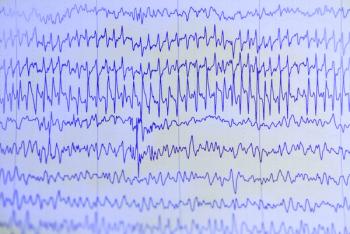
As home-monitoring devices become more available, accessible, and useful, they are increasing becoming helpful in neurological decision-making. More in this video.
The head of neurology at the Sunnybrook Health Sciences Centre of the University of Toronto spoke about the limited available normative sleep data, and shared insight into the findings of the meta-analysis he and colleagues conducted of more than 150 studies.
The neurology resident at the University of California San Francisco spoke about the role that seizure diaries can play in a patient’s peace of mind, as well as in the understanding of that patient’s response to a given treatment.
Neurology News Network for the week ending June 29, 2019.
The director of the Sleep-Wake Disorders Center at Montefiore Medical Center spoke about one of the major symptoms of narcolepsy and how to identify it during diagnosis.
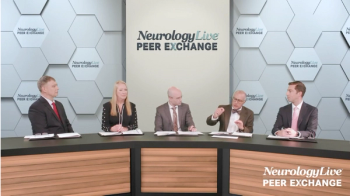

A large study may bring us closer to identifying interventions that can help the homeless population with neurologic disease.
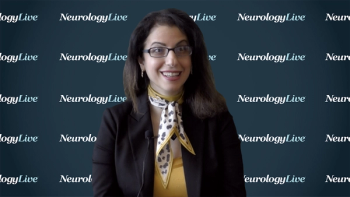
The professor of neurology at Cleveland Clinic’s epilepsy center discussed how algorithms can better influence the personalization of medicine, not just in the field of epilepsy, but in medicine as a whole.
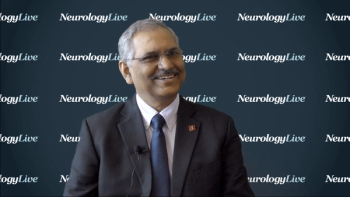
The chief of neurology at Sree Chitra Tirunal Institute for Medical Sciences and Technology spoke about how to reassure patients with epilepsy who are planning for pregnancy and how to make treatment decisions with pregnant patients.
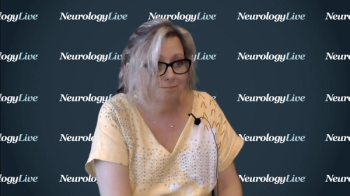
The professor of epilepsy and medical education at St. George’s University Hospital London spoke about the number of challenges plaguing epileptologists when treating patients who present with possible status epilepticus in the hospital.