Take 5 minutes to catch up on NeurologyLive®'s highlights from the week ending October 9, 2026.
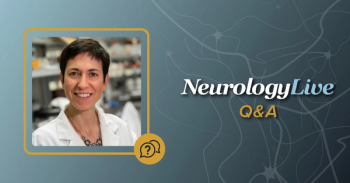
Ahead of the 2026 Alzheimer's Association International Conference, David Wolk, MD, discusses the meeting's biggest scientific themes, from plasma biomarkers and disease-modifying therapies to emerging technologies and evolving clinical practice.
The 2026 Alzheimer’s Association International Conference (AAIC), taking place July 12-15 in London, United Kingdom, brings together the global dementia community as research continues to reshape the diagnosis, treatment, and understanding of Alzheimer disease and related dementias. As the world's largest meeting focused on dementia, AAIC 2026 will spotlight the latest advances across the field, from disease-modifying therapies and biomarker-guided diagnosis to prevention strategies, digital innovations, and person-centered care.
This year's meeting will feature new clinical and translational research presented through plenary sessions, scientific symposia, oral presentations, and thousands of poster abstracts. Investigators and clinicians from around the world will share data spanning basic and translational science, neuroimaging, fluid biomarkers, clinical trials, epidemiology, health equity, and dementia care, offering attendees an early look at findings that may shape future research and clinical practice. In addition to scientific presentations, AAIC 2026 provides opportunities for collaboration, professional development, and networking through programs such as the Emerging Concepts Series and events designed to connect investigators across career stages.
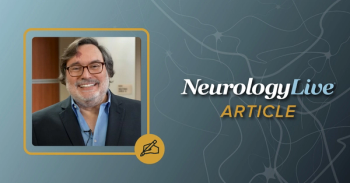
To preview this year's meeting, NeurologyLive spoke with David A. Wolk, MD, professor of neurology, at the University of Pennsylvania. In the conversation, Wolk, who also serves as co-chair of the AAIC 2026 Scientific Program Committee, highlighted several themes expected to shape this year's meeting, including the growing emphasis on Alzheimer disease heterogeneity, the expanding real-world implementation of plasma biomarkers and anti-amyloid therapies, emerging technologies such as artificial intelligence and brain shuttle platforms, and the evolving translation of research advances into everyday clinical practice.
David Wolk, MD: The Alzheimer's Association International Conference is one of the central meetings for researchers working in Alzheimer's disease and related dementias. It covers an incredibly broad range of topics, from basic science and disease pathogenesis to drug discovery, biomarkers, clinical care, and public health.
This year, a few themes have really emerged. One is a growing interest in understanding the heterogeneity of Alzheimer's disease, particularly as we begin implementing disease-modifying therapies. Much of that work centers on resilience, vulnerability, and co-pathologies, along with proteomics and other omics approaches that are helping us better characterize differences across patients.
Another major theme is biomarkers, especially plasma-based biomarkers. These have become a real game changer for the field. This year, much of the focus is shifting from biomarker discovery to their real-world application across diverse populations, not only in North America but globally. Researchers are evaluating how these biomarkers perform in different healthcare settings and how they can be integrated into diagnosis and disease monitoring.
A third important theme is the emergence of real-world data for amyloid-targeting therapies. These treatments have now been available for a couple of years, and we're beginning to see larger datasets evaluating their implementation and performance in routine clinical practice around the world.
As always, there will also be important clinical trial updates. One presentation I'm particularly looking forward to is the phase 2 CELIA study evaluating an antisense oligonucleotide targeting tau. Overall, there are many exciting areas of research, and it's always difficult to predict which findings will generate the most discussion once the meeting begins.
One thing AAIC does particularly well is bringing together research from across the world. As co-chair of the Scientific Program Committee, one of our priorities was to broaden the diversity of research being presented.
An important unmet need is understanding how biomarkers perform across different populations and healthcare environments. Much of the existing research has been conducted in relatively homogeneous, highly educated populations. We need a better understanding of how biomarkers, diagnoses, and therapies perform across more diverse patient populations and in different clinical settings worldwide.
Another significant unmet need is our ability to detect co-pathologies in Alzheimer's disease. Alzheimer's is frequently accompanied by other proteinopathies, including alpha-synuclein pathology, TDP-43 pathology, and vascular disease. Developing better tools to identify these coexisting conditions and understand their contributions in individual patients remains an important challenge.
We'll also see increased attention on neuropsychiatric symptoms associated with Alzheimer's disease and related dementias. We still need a much better understanding of the biology underlying these symptoms, as well as more effective therapeutic approaches.
Finally, although we've entered an exciting era of disease-modifying therapies, there remains a need for treatments that are more effective and applicable to a broader range of patients.
One ongoing area of discussion is the overall effectiveness of amyloid-targeting therapies. These drugs demonstrated efficacy during their 18-month clinical trials, but we're still trying to understand how well they perform in real-world practice and whether their benefits persist beyond the time frame studied in those trials.
As more long-term data become available, we'll gain a clearer picture of their durability. We're also continuing to learn more about safety, including which patient populations may be at higher or lower risk for adverse events.
Another area of debate involves how Alzheimer's disease should be biologically defined and staged using biomarkers. There continues to be discussion about what constitutes Alzheimer's disease based solely on biomarker status. More importantly, researchers are working to determine how best to stage disease across its biological continuum and how those biological stages relate to clinical symptoms. There are different opinions on the best approaches, and I expect those discussions will continue throughout the meeting.
Artificial intelligence will certainly be well represented. We're seeing AI become increasingly integrated into Alzheimer's research, including applications involving electronic medical records and data analysis.
One biological technology that continues to generate excitement is brain shuttle technology, which helps therapeutic agents cross the blood-brain barrier more efficiently. In particular, this approach may improve delivery of immune-based therapies directly into the central nervous system. Additional data on one anti-amyloid therapy utilizing brain shuttle technology will be presented at the meeting.
Another area where technology has advanced tremendously is our ability to detect extremely low concentrations of proteins in blood and cerebrospinal fluid. Those advances have fueled the emergence of plasma biomarkers and sophisticated proteomic platforms capable of analyzing hundreds or even thousands of proteins simultaneously.
These technologies are giving us much greater insight into Alzheimer's biology, disease heterogeneity, and co-pathologies. Proteomics has also become increasingly important in tissue-based studies, including spatial proteomics, and we'll see a number of presentations focused on those approaches as well.
This is an incredibly dynamic time in Alzheimer's disease research. The amount of new information emerging each year has increased dramatically, and what's especially exciting is how quickly those discoveries are translating into clinical practice.
Historically, much of the research presented at AAIC informed our understanding of disease biology and future therapeutic development. Today, because disease-modifying therapies are now available, research findings are moving into clinical practice much more rapidly.
Many presentations this year will focus on implementing new biomarkers and therapies in everyday clinical care, and I think those findings will be particularly valuable for practicing clinicians. Following the major themes emerging from AAIC has become increasingly important for anyone caring for patients with Alzheimer's disease.
We'll also see important data on lifestyle factors that may help prevent disease, slow progression, or improve resilience. Those findings are often straightforward to incorporate into conversations with patients and families.
Overall, what's most exciting is that the science presented at AAIC is becoming increasingly relevant to everyday clinical practice, with new tools and information continually changing how we care for patients.
This is an exceptionally exciting time for the field. As always, it's difficult to predict which presentations will generate the most interest or inspire entirely new areas of research. What stands out to me this year is the record number of scientific submissions, which reflects not only the growth of Alzheimer's research worldwide but also the increasing diversity of investigators, research topics, and scientific quality. I think it will be a tremendously interesting meeting.