

Opinion|Videos|February 5, 2026 (Updated: January 7, 2026)
Advice and Reflections from the Dravet Syndrome Journey
Author(s)Dr. Joseph Sullivan, MD
Discover valuable insights and support for families navigating Dravet syndrome, emphasizing community connection and self-care for a hopeful journey.
Advertisement
Episodes in this series
In this closing segment, caregivers reflect on what they wish they had known earlier in their Dravet syndrome journey and share guidance for newly diagnosed families. Drawing from years of lived experience, they emphasize that while the diagnosis is devastating at first, it is possible to build a meaningful, grateful life alongside Dravet syndrome. Early and accurate information is highlighted as critical, empowering families to make informed decisions, access appropriate care, and avoid prolonged uncertainty. Participants underscore the importance of persistence—seeking answers, advocating for one’s child, and continuing to push when support or clarity is lacking. The value of community emerges as a central theme, with caregivers describing how connecting with other Dravet families reduces isolation, provides practical insight, and fosters hope. Equally important is caregiver self-care. Families stress the emotional toll of the diagnosis and encourage prioritizing mental health support. The segment closes with reassurance that challenges evolve over time, and that with support, science, and connection, families can rediscover stability and joy.
Advertisement
Related to this article
Test your neurology knowledge with NeurologyLive®'s weekly quiz series, featuring questions on a variety of clinical and historical neurology topics. This week's topic is recent therapeutic advances in MS!

Take 5 minutes to catch up on NeurologyLive®'s highlights from the week ending October 9, 2026.
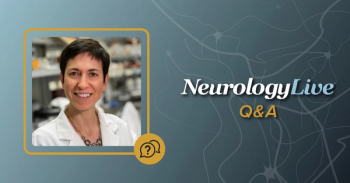
Carmela Tartaglia, MD, FRCPC, discusses the challenges of diagnosing frontotemporal dementia, the evolving role of biomarkers, and emerging approaches to disease modification.
Catch up on any of the neurology headlines you may have missed in September 2026, compiled into 1 place by the NeurologyLive® team.

Newly announced Phase 4 THRIVE trial results showed most patients who previously had an inadequate response to a CGRP-targeting therapy improved with eptinezumab over 24 weeks.

Phase 3 ARISE trial results show solengepras 150 mg significantly reduced OFF time and improved motor and non-motor symptoms in Parkinson disease.

An MDS 2026 plenary speaker discusses the evolving role of infusion therapies, deep brain stimulation, and focused ultrasound in Parkinson disease, including when to consider device-aided therapies and how treatment selection can be individualized.
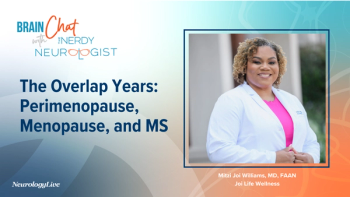
Mitzi Joi Williams, MD, is joined by Jakai McEwen, DO, and Charnetta Colton-Poole, MD, to discuss the challenges of communication between patients and their health care teams, including navigating medical language, promoting shared decision-making, and advocating for clear, patient-centered care.
Advertisement
Advertisement
Trending on NeurologyLive - Clinical Neurology News and Neurology Expert Insights
1
Solengepras Meets Primary Endpoint in Phase 3 ARISE Trial of Parkinson Disease
2
CSF Biomarkers Identify Shared LRRK2 Pathway Activation in Sporadic and LRRK2-Associated Parkinson Disease
3
Advanced Therapies in Parkinson Disease: Matching the Right Treatment to the Right Patient
4
Central Vein Sign, PRLs, and the Future of MS Imaging
5