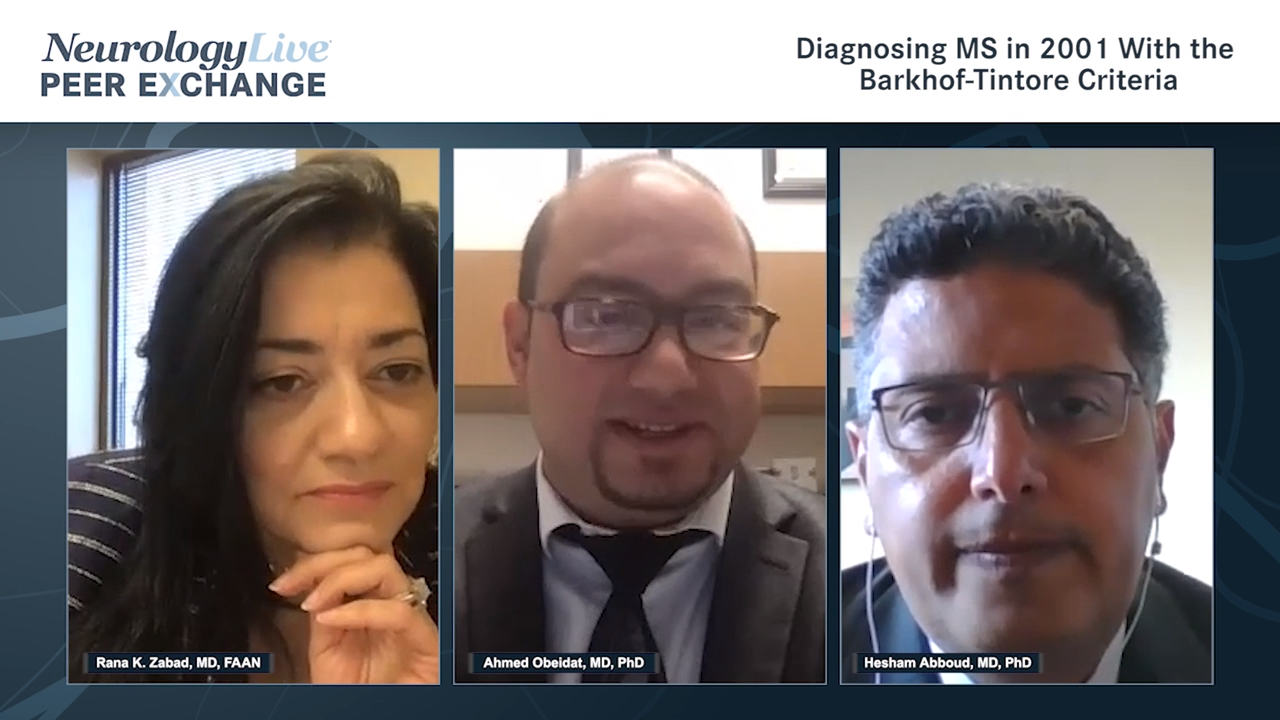
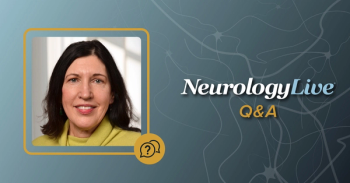
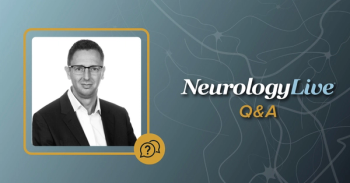
Join Ahmed Obeidat, MD, PhD; Hesham Abboud, MD, PhD; and Rana K. Zabad, MD, FAAN, for perspectives on how the diagnostic criteria for multiple sclerosis have evolved over time.
Advertisement
————————————
Panelists
Ahmed Obeidat, MD, PhD Assistant Professor, Department of Neurology, Neuroimmunology and Multiple Sclerosis; Director, Neuroimmunology and MS Fellowship Program, The Medical College of Wisconsin
Hesham Abboud, MD, PhD Assistant Professor of Neurology, Case Western Reserve University School of Medicine; Director, Multiple Sclerosis and Neuroimmunology Program, Staff Neurologist, Parkinson’s and Movement Disorders Center, University Hospitals, Cleveland Medical Center
Rana K. Zabad, MD, FAAN Professor, Department of Neurological Sciences, Chief, Multiple Sclerosis/Neuroimmunology Section, Program Director, Multiple Sclerosis Fellowship, University of Nebraska Medical Center
Key Learning Objectives
Virtual patient visits during COVID-19 when diagnosing MS
Jeffrey Cohen, MD, professor of neurology and staff physician at the Cleveland Clinic Mellen Center for Multiple Sclerosis, discusses interim BREAKFREE-2 findings for zola-cel, a CD19-directed CAR T cell therapy, in relapsing and progressive MS.
Shadi Yaghi, MD, FAHA, Chair of Neurology at Hackensack Meridian Neuroscience Institute at Jersey Shore University Medical Center, discusses a new calculator that predicts stroke risk within 30 days of a procedure.
The clinical professor of neurology and pediatrics at The Ohio State University Wexner Medical Center discussed payer step therapy, earlier preventive treatment, and questions the updated guideline leaves open.
Brian Snelling, MD, director of the stroke program at Marcus Neuroscience Institute discussed delays in calling 911 after stroke onset, gaps in awareness of atypical symptoms, and how to reach underserved populations.
Kim Henriksen, PhD, discusses research evaluating blood-based biomarkers of blood-brain barrier remodeling and immune cell activity in multiple sclerosis, including their potential to track treatment responses and inform future biomarker development.
The Editor-in-Chief of the Journal of the American Heart Association discussed what journal editors look for in stroke research submissions, how AI and open access are reshaping publishing, and the equity gaps that still exist for researchers in lower-income countries.