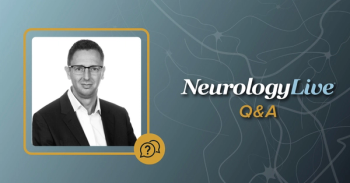
Shadi Yaghi, MD, FAHA, Chair of Neurology at Hackensack Meridian Neuroscience Institute at Jersey Shore University Medical Center, discusses a new calculator that predicts stroke risk within 30 days of a procedure.
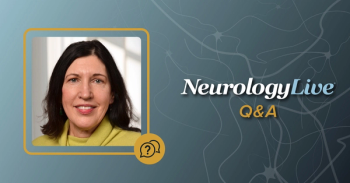
Sara Cuccurullo, MD, FAAPMR, and Talya Fleming, MD, FAAPMR, of Hackensack Meridian JFK Johnson Rehabilitation Institute, discuss the updated adult stroke rehabilitation and recovery guidelines and their implications for clinical practice.
The recently published 2026 American Heart Association/American Stroke Association (AHA/ASA) guidelines for adult stroke rehabilitation and recovery provided updated recommendations for clinicians caring for patients following stroke. The guidance addresses key aspects of rehabilitation and recovery, with an emphasis on supporting patients as they navigate the different stages of care.
Translating updated recommendations into clinical practice can present challenges for clinicians, particularly as they work to address the varied needs of patients and coordinate care across different settings. Understanding how these recommendations apply to everyday practice remains an important consideration for clinicians involved in stroke rehabilitation.
In honor of World Stroke Day, celebrated October 29th, NeurologyLive spoke with Sara Cuccurullo, MD, FAAPMR, chair, medical director, and vice president at Hackensack Meridian JFK Johnson Rehabilitation Institute, to discuss the updated guidelines and their implications for clinical practice. Additionally, Talya Fleming, MD, FAAPMR, medical director of the institute's Stroke Recovery Program, shared her perspectives on the recommendations and their application to patient care.
Sara Cuccurullo, MD, FAAPMR: The newly published 2026 AHA/ASA Adult Stroke Rehabilitation and Recovery guidelines provide a timely update to how we care for patients with stroke, and specific recommendations for treating conditions such as weakness, sensory-perceptual impairments, cognitive and communication impairments, as well as transitions of care. Recovery after a stroke is unique, and each patient will have a different experience during their stroke recovery. Because the experience is complex, where you receive treatment after a stroke is critically important.
The guidelines recommend that patients with stroke who qualify for care at an inpatient rehabilitation hospital should receive care at the rehabilitation hospital, in preference to another setting, to achieve greater functional improvement by discharge and higher rates of community discharge. Once patients are safe to go home, the recovery process is not over.
The guidelines also emphasize that patients with stroke seeking outpatient or home-based rehabilitation, organized community-based and coordinated interprofessional rehabilitation care is recommended to achieve more functional improvement. It is important to know that recovery is an ongoing journey that requires periodic reassessments and continuous care coordination across the patient’s entire life.
When implementing the 2026 AHA/ASA stroke rehabilitation guidelines, clinicians typicallyagree with the science but struggle with the logistical realities of everyday practice. Studies show that treating modifiable risk factors such as physical inactivity, poor nutrition, and optimizing medical conditions such as high blood pressure, diabetes, and hyperlipidemia, is crucial, as it reduces the 25% to 30% risk of recurrent stroke within 5 years and improves patient outcomes and independence.
The guidelines emphasize the importance of lifestyle modification and management throughout stroke rehabilitation, and that comprehensive risk factor management is essential for reducing poststroke morbidity and mortality. Multidisciplinary care models that coordinate secondary-prevention education with the delivery of rehabilitation therapy would help achieve these goals. Other common questions clinicians face involve navigating rigid insurance caps on therapy sessions and securing reimbursement for comprehensive, multidisciplinary treatment approaches for the newly recommended lifespan-oriented, long-term reassessments.
Although the 2026 AHA/ASA stroke rehabilitation guidelines offer specific recommendations about stroke rehabilitation, several persistent misconceptions continue to hinder patient care. One misconception is that all therapeutic approaches are created equal. True neuroplasticity demands intense, high-repetition task practice. As we learn more about the biologic mechanisms of recovery, we better understand that the intensity, repetition, specificity, and progression of the intervention are crucial for the overall quality of stroke rehabilitation.
Another misunderstanding is that the end of therapy is the end of recovery. Rehabilitation needs will change over time. This is why reassessment, individualized goal setting, and consideration of different therapeutic approaches are so important in helping a patient recover to their fullest potential.
Talya Fleming, MD, FAAPMR: To implement the 2026 AHA/ASA guidelines effectively, clinicians must build highly customized care plans by referencing functional goals from a patient’s real-life goals—such as walking or improving arm function— while using multidomain assessments to tailor individual therapy treatment plans. These plans must actively integrate caregiver capacity and social determinants of health to ensure realistic execution at home.
Clinicians can recognize when a patient’s needs are falling through the cracks by actively looking beyond obvious physical impairments and screening for subtle "invisible" barriers. For instance, stalled progress may not be a physical plateau, but rather due to additional comorbidities like post-stroke fatigue, sleep apnea, anxiety, or neuropathic pain. Likewise, if a patient regains physical strength but still struggles with daily tasks, it may suggest additional perceptual or cognitive deficits, such as vision impairment or slowed cognitive processing. Ultimately, stroke recovery is a long-term process requiring multidisciplinary coordinated care.
Navigating stroke recovery can feel very overwhelming at times. Many patients and caregivers experience a mix of fear of the unknown and logistical confusion about how to proceed next. The 2026 AHA/ASA guidelines now explicitly address one of the most common questions that is asked after a stroke.
Traditional rehabilitation approaches mention the "six-month plateau” - the time when patients are terrified that their window for healing closes and they cannot recover past that time. We now know that the brain has much more capacity for healing and recovery than previously thought, and patients can continue to improve function for months or even years after a formal rehabilitation program has ended.
The new guidelines emphasize that recovery is an ongoing process with no predetermined endpoint, and that periodic reassessments should identify new goals, treatment approaches, and opportunities for re-engagement across the stroke recovery continuum of care. Patients also frequently ask why they may feel exhausted, allowing practitioners to validate post-stroke fatigue and sleep disturbances as expected biological influences that require targeted interventions rather than automatically assuming that they represent signs of regression. Meanwhile, caregivers are often blindsided by personality changes and may ask why their loved one is suddenly anxious or depressed.
The 2026 AHA/ASA guidelines have an increased emphasis on mental health assessment and treatment after stroke. This gives clinicians a clear way to explain that mood changes are common and that treating these neurological mood changes is as vital as physical therapy.
The guidelines also address questions about reclaiming independence—specifically when a patient can drive or return to work. Structured pathways for vocational rehabilitation and formal safety evaluations can guide decisions about a safe return to these higher-level activities.
Looking ahead, the updated 2026 AHA/ASA guidelines fundamentally transform stroke rehabilitation from a short-term, acute intervention into a lifelong chronic care model. Rather than facing permanent discharge, patients will benefit from scheduled, episodic "tune-ups" and long-term reassessments designed to adapt to their evolving life goals and prevent functional decline over decades.
Because the massive dose of repetitive therapy required for true neuroplasticity cannot be achieved in traditional clinic hours alone, rehabilitation efforts will place greater emphasis on home practice, relying more on prescribed technologies like virtual reality, wearables, and telerehabilitation. Ultimately, this comprehensive blueprint paves the way for an exciting era of "precision rehabilitation," where robust data from standardized assessments drives highly individualized, technology-augmented care that supports the whole patient across their entire life.
Transcript edited for clarity.