EryDex was reported to be generally well tolerated, with no clinically meaningful safety concerns identified in the study. The most common adverse events in the active-treatment group included pruritus and pyrexia. Nearly all participants who completed the blinded portion of the study elected to enroll in a 24-month open-label extension (NCT06664853).
In a statement accompanying the results, Dirk Thye, MD, chief executive officer at Quince Therapeutics and chief medical officer of the study sponsor, said, “We express our compassion and hope for future therapeutic options to the A-T community,” acknowledging the unmet need that persists despite years of clinical investigation.
A-T is a rare, autosomal recessive disorder caused by pathogenic variants in the ATM gene, which plays a critical role in DNA double-strand break repair and cellular homeostasis.² Neurologically, the condition is characterized by progressive cerebellar ataxia beginning in early childhood, along with oculocutaneous telangiectasias, immunodeficiency, and increased cancer risk.³
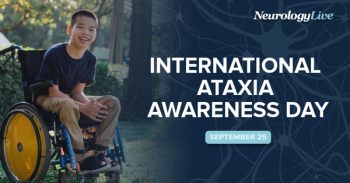
Most children develop with A-T gait instability before age 5, and many require wheelchair assistance by adolescence. Median life expectancy has been reported at approximately 25 to 30 years, with mortality frequently related to malignancy or recurrent infections.
There are currently no approved disease-modifying therapies for A-T in the United States or Europe. Management remains supportive, focusing on physical therapy, immunologic monitoring, and treatment of complications.³ Corticosteroids have shown transient neurologic benefits in small studies, but chronic use is limited by systemic adverse effects, including adrenal suppression, growth impairment, and metabolic complications.⁴
READ MORE: Microbiome-Targeted Agent PLL001 Passes Safety Check in Phase 1/2 Trial of ALS
EryDex was designed to address these limitations by encapsulating dexamethasone sodium phosphate within a patient’s own erythrocytes, with the aim of providing sustained corticosteroid exposure while potentially reducing systemic toxicity. Autologous erythrocyte drug delivery systems have been explored as a means of prolonging drug half-life and modifying pharmacokinetics, though clinical experience remains limited.⁵
Key Facts
• Drug/class: EryDex (dexamethasone sodium phosphate encapsulated in autologous erythrocytes); corticosteroid delivery via erythrocyte encapsulation
• Indication: Ataxia-telangiectasia
• Trial: NEAT (NCT06193200); Phase 3, randomized, double-blind, placebo-controlled
• Primary endpoint: Change in RmICARS at 6 months; not statistically significant (P = .0851)
• Key secondary endpoint: CGI-S; not statistically significant (P = .522)
• Safety: Generally well tolerated; most common AEs included pruritus and pyrexia
• Regulatory status: Investigational; no approved therapies currently available for A-T
The lack of statistical significance in NEAT raises questions about the magnitude and durability of corticosteroid-mediated neurologic effects in A-T and whether alternative mechanisms beyond inflammation should be prioritized in future therapeutic strategies. Additionally, the primary analysis population was weighted toward children aged 6 to 9 years, and it remains unclear whether specific age subgroups or baseline severity strata may derive differential benefit—analyses that will likely require detailed peer-reviewed publication.
Further considerations include the inherent variability of ataxia rating scales in pediatric populations and the relatively short 6-month treatment window for a progressive neurodegenerative condition. Longer-term data from the open-label extension may provide additional safety information but will not address the placebo-controlled efficacy question.
For clinicians caring for patients with A-T, the NEAT results reinforce the current landscape: supportive management remains the standard of care, and participation in well-designed clinical trials continues to be essential to advancing therapeutic options.
REFERENCES
1. Trouillas P, Takayanagi T, Hallett M, et al. International Cooperative Ataxia Rating Scale for pharmacological assessment of the cerebellar syndrome. J Neurol Sci. 1997;145(2):205-211. https://doi.org/10.1016/S0022-510X(96)00231-6
2. Rothblum-Oviatt C, Wright J, Lefton-Greif MA, et al. Ataxia telangiectasia: a review. Orphanet J Rare Dis. 2016;11:159. https://ojrd.biomedcentral.com/articles/10.1186/s13023-016-0543-7
3. van Os NJH, Roeleveld N, Weemaes CMR, et al. Health risks for ataxia-telangiectasia patients: a nationwide cohort study. Orphanet J Rare Dis. 2017;12:99. https://ojrd.biomedcentral.com/articles/10.1186/s13023-017-0657-7
4. Zannolli R, Buoni S, Betti G, et al. A randomized trial of oral betamethasone to improve neurological symptoms in ataxia telangiectasia. Eur J Neurol. 2012;19(3):393-398. https://doi.org/10.1111/j.1468-1331.2011.03527.x
5. Magnani M, Rossi L, Fraternale A, et al. Erythrocyte-mediated delivery of drugs, peptides and modified oligonucleotides. Gene Ther. 2014;21(5):452-458. https://www.nature.com/articles/gt201410