Now Playing
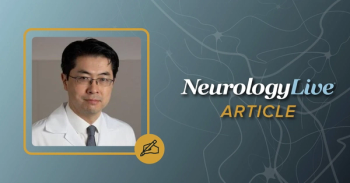
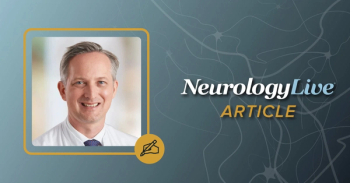
Shamik Bhattacharyya, MD, and Philippe-Antoine Bilodeau, MD, provide background on their recent Neurology publication, explaining why the study was conducted, how newer FDA-approved NMOSD therapies compare with rituximab, and the complex real-world methods used to assess relapse and safety outcomes.
Neuromyelitis optica spectrum disorder (NMOSD) remains a relapse-driven disease in which each inflammatory attack can result in permanent disability, including blindness and paralysis. As the therapeutic landscape has expanded to include complement inhibitors and IL-6 pathway–targeting therapies, clinicians are increasingly faced with nuanced decisions about first-line treatment, long-term safety, and optimal relapse prevention strategies.
In this 5-part panel discussion series, Shamik Bhattacharyya, MD, Anne M. Finucane Endowed Chair in Neurology and Associate Professor of Neurology at Harvard Medical School, and Philippe-Antoine Bilodeau, MD, of the Division of Neuroimmunology at Mass General Brigham and Instructor in Neurology at Harvard Medical School, unpack their recent real-world comparative effectiveness study published in Neurology. Drawing on decades of institutional data, the panel examines how FDA-approved NMOSD therapies perform relative to rituximab and traditional immunosuppressants, while addressing key methodological and safety considerations that shape clinical practice.
In this first episode, the discussion centers on the rationale behind the study. The panelists explain the absence of head-to-head comparisons between rituximab and newer FDA-approved agents, the real-world safety signals observed in long-term rituximab use, and the methodological challenges of conducting comparative effectiveness research in a rare disease—particularly around relapse adjudication and low event rates.