Take 5 minutes to catch up on NeurologyLive®'s highlights from the week ending October 16, 2026.

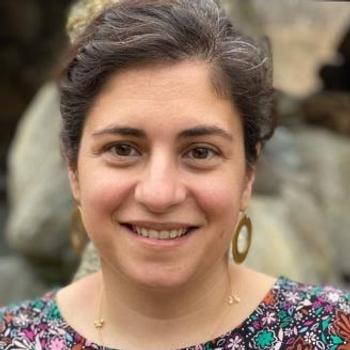
The director of the Neurology Residency Program at the Marcus Neuroscience Institute talked about the role of research, patient empowerment, and expanding treatment options in multiple sclerosis. [WATCH TIME: 5 minutes]
WATCH TIME: 5 minutes | Captions are auto-generated and may contain errors.
"What I tell my patients is something I heard years ago: when you have MS, you have a disease—the disease does not have you. You are still the same person you were before diagnosis. This is just something you have, and we can manage it."
The landscape of
Concurrently, the therapeutic landscape for MS has expanded from early injectable agents to a broad array of disease-modifying therapies that balance efficacy, safety, and patient preferences. Contemporary approaches include oral agents, infusions, and monoclonal antibodies targeting distinct immunological pathways. Evidence even suggests that early initiation of highly effective therapy may offer greater benefit than traditional escalation strategies.2 The increasing recognition of biological heterogeneity in MS, including emerging subtypes identified through biomarkers and machine learning, further supports a move toward personalized treatment selection to optimize outcomes.
Expert