
Opinion|Videos|November 9, 2026
TK2D Treatment Access and Setting Realistic Expectations for Families
Approval shifts access from research programs to insurance review and specialty pharmacy. Honest counseling about realistic goals, and about the value of early treatment, helps families engage with therapy.
Episodes in this series
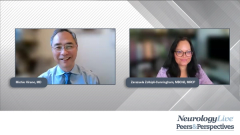
In "TK2D Treatment Access and Setting Realistic Expectations for Families," the panel considers the practical path from prescription to patient and the conversation that accompanies it.
Dr. Hirano asks what role reimbursement plays in access to the therapy and how specialty pharmacy has changed since approval. Dr. Zolkipli-Cunningham explains that approval differs from research-basis access. Approved drugs must reach their target patients, which requires insurance review and prior authorization in the United States, as with any medicine. That can feel overwhelming, so clinicians must work closely with families to prevent delays, which are anxiety-provoking and frustrating. Providers should understand the process and help genetically confirmed patients gain access.
Specialty pharmacy has become central since approval. An exclusive specialty pharmacy, PANTHERx Rare, coordinates dispensing, oral solution preparation, and administrative support. It also works with the manufacturer to secure insurance approval and financial assistance. She regards this as standard when a drug moves from research to FDA approval, and she hopes it becomes routine over time. Her own institution had a learning curve, but she had no trouble securing the medicine.
Dr. Hirano asks how to set expectations for parents, particularly when treatment starts years into the disease. Dr. Zolkipli-Cunningham says her role is to share available knowledge honestly. Because the alternative is no treatment, she counsels that treatment confers benefit beyond a doubt. She cannot promise that every patient will regain motor milestones, so constant reevaluation and follow-up are important, especially for younger families who have watched a child lose milestones.
Families seek realistic improvement, such as walking independently for a few minutes rather than for two hours. Newborn screening does not yet exist, so early identification is essential. She is hopeful that treatment will improve quality of life, trajectory, and survival.
The next episode in this series, "TK2D Case 2: Late-Onset Presentation, Lactate, EMG, and Muscle Biopsy," presents a 34-year-old woman with progressive ptosis and examines how Dr. Zolkipli-Cunningham interprets her laboratory, EMG, and biopsy findings.
Related to this article
Catch up on any of the neurology headlines you may have missed in October 2026, compiled into 1 place by the NeurologyLive® team.

Here's some of what is coming soon to NeurologyLive® this week.
Newly presented biomarker and clinical findings from the phase 2b PARADIGM trial of PrimeC informed the design of the global phase 3 PARAGON trial in ALS.
Test your neurology knowledge with NeurologyLive®'s weekly quiz series, featuring questions on a variety of clinical and historical neurology topics. This week's topic is the 2026 AHA/ASA Guideline for Adult Stroke Rehabilitation and Recovery!

Two-year data from the phase 2 DAZALS trial showed a lower risk of death with dazucorilant 300 mg/day vs placebo in ALS, although the study did not meet its functional primary end point.

Take 5 minutes to catch up on NeurologyLive®'s highlights from the week ending November 6, 2026.
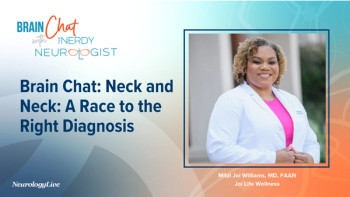
Williams, MD, is joined by Marcus Gates, MD, and they discuss recognizing cervical nerve root and spinal cord compression, navigating treatment options, and determining when surgery may be appropriate.

Servier reported that sevasemten did not meet its primary or secondary endpoints in the pivotal GRAND CANYON trial for Becker muscular dystrophy.
Trending on NeurologyLive - Clinical Neurology News and Neurology Expert Insights
1
ALS Agent Dazucorilant Associated With Lower 2-Year Mortality in Exploratory DAZALS Analysis
2
PrimeC Lowers Neuron-Derived TDP-43, Informing Phase 3 PARAGON Trial in ALS
3
FDA Grants Priority Review to Huntington Disease Gene Therapy BLA, Sevasemten Misses Primary, Secondary End Points in BMD, Overviewing the 1-Year KYSA-8 Findings
4
QurAlis Reports ANQUR Interim Data for STATHMIN-2-Targeting Agent QRL-201 in ALS
5