

Opinion|Videos|November 23, 2026
TK2D Treatment Beyond Age 12: Expanded Access and Shared Decision-Making
Approved indications depend on symptom onset by age 12, so adult-onset patients may need expanded access. Shared goals, home safety planning, and periodic recalibration support patients through changing function.
Episodes in this series
In "TK2D Treatment Beyond Age 12: Expanded Access and Shared Decision-Making," the panel works through eligibility questions and the conversations that follow.
Dr. Hirano asks about treatment options for the 34-year-old woman. Dr. Zolkipli-Cunningham says that once the genetic diagnosis is confirmed, an immediate conversation should begin, since TK2D is the single mitochondrial disease with an approved therapy. Options include pyrimidine deoxynucleoside therapy plus comprehensive supportive care. FDA approval requires genetic confirmation and symptom onset under age 12, so careful history taking is vital. Clinicians then work through their institution and a specialty pharmacy to start the prescription pathway. She invites family members to counseling sessions, because the pathophysiology is complicated and some patients feel nervous about a new medicine.
Dr. Hirano notes that onset was initially thought to be age 28 and asks about access outside the approved indication. Dr. Zolkipli-Cunningham says patients with onset after age 12 do not currently meet the indication. She strongly recommends compassionate use or expanded access programs, which provide the same medications on a research basis rather than through insurance billing. Access is coordinated through the treating specialist, the manufacturer, and regulatory authorities, so the journey should not end when criteria are not met.
Dr. Hirano asks how to discuss realistic goals and shared decision-making as function declines. Treatment goals should be individualized and revisited, with close follow-up. They may include preserving independence, employment, cooking, showering, mobility, and respiratory function. As ambulation becomes unstable, she suggests home evaluations by a physical therapist, chair lifts, and raised toilet seats. These steps may not be obvious to the person experiencing decline, so someone outside the family often needs to suggest them. Dr. Hirano agrees that goals should be recalibrated as patients worsen or improve.
In "TK2D Future Directions: Gene Therapy, Combination Approaches, and Patient Resources," Dr. Hirano and Dr. Zolkipli-Cunningham look ahead to gene therapy, preclinical data, and organizations that can support families.
Related to this article

Timothy Ryan, MD, neurologist and EEG lab director at Raleigh Neurology Associates, discusses preconception counseling, antiseizure medication selection, contraception interactions, and dosing through pregnancy in women with epilepsy.

From new clinical data to expert perspectives, get a first look at the neurology news and insights coming to NeurologyLive® this week.

Final phase 3 data showed bentracimab restored platelet function in minutes and achieved centrally adjudicated effective hemostasis in 94.3% of eligible patients, with no bentracimab-related thrombotic events reported.

Test your neurology knowledge with NeurologyLive®'s weekly quiz series, featuring questions on a variety of clinical and historical neurology topics. This week's topic is neuro-oncology!
In a real-world cohort, tenecteplase before thrombectomy was associated with lower mortality and fewer new speech and movement deficits than alteplase, without an increase in symptomatic intracranial hemorrhage.
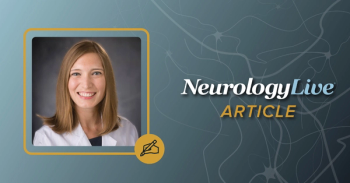
Karissa L. Gable, MD, and a pannel of clinicians discussed how targeted therapies are changing steroid use, bridging and treatment sequencing in generalized myasthenia gravis at an October 15, 2026, forum in Morrisville, North Carolina.
The FDA issued a second complete response letter for deramiocel in Duchenne muscular dystrophy, citing insufficient evidence of effectiveness from the phase 3 HOPE-3 trial.
Take 5 minutes to catch up on NeurologyLive®'s highlights from the week ending November 20, 2026.
Trending on NeurologyLive - Clinical Neurology News and Neurology Expert Insights
1
FDA Issues Second Complete Response Letter for Deramiocel in Duchenne Muscular Dystrophy
2
FDA Approves 2 gMG Treatments, AR1001 Slows Decline in Monotherapy Group of POLARIS-AD Trial, Benjamin Greenberg's, MD, MHS, Insights From the 2026 RNDS
3
FDA Approves Cemdisiran as New Treatment for Generalized Myasthenia Gravis
4
Bentracimab Reverses Ticagrelor’s Antiplatelet Effects in Final Phase 3 REVERSE-IT Results
5