News|Videos|February 11, 2026

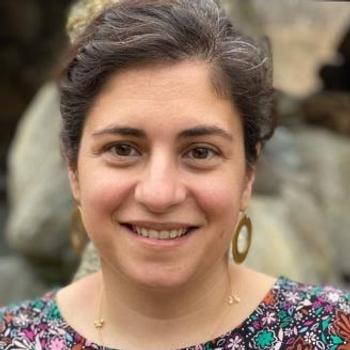
Uncovering Reasons Behind Disease-Modifying Therapy Delays in Underserved MS Populations: Marisa McGinley, DO

The staff neurologist at Cleveland Clinic’s Mellen Center for Multiple Sclerosis provided background on a study presented at ACTRIMS 2026 focused on patient-reported barriers to timely multiple sclerosis treatment initiation. [WATCH TIME: 4 minutes]

WATCH TIME: 4 minutes

“What we heard repeatedly was that delays were less about patient hesitation or insurance and more about finding a provider patients trusted to deliver confident, specialty-informed treatment recommendations.”

Despite a rapidly expanding disease-modifying therapy (DMT) landscape for multiple sclerosis, timely treatment initiation remains inconsistent across patient populations. Early use of effective therapies has been associated with improved long-term outcomes, yet real-world data continue to show delays in treatment initiation, particularly among patients living in underserved regions. These gaps raise critical questions about whether access challenges are driven by structural limitations, health system complexity, or gaps in specialty expertise.

At the 2026 Americas Committee for Treatment & Research in Multiple Sclerosis (ACTRIMS) Forum, held February 5-7 in San Diego, California, researchers presented data from a single-center, qualitative study looking at patient-perceived barriers to and facilitators of DMT initiation among patients with MS in rural or medically undeserved areas. The trial featured a small group of patients (n = 10), most of whom were diagnosed and treated by a neurologist without specialized training in MS. In the study, interview data showed that all participants had concerns about the quality of MS care they received from the non-MS neurologists, and 5 found the Mellen Center through their own research or the help of their own social networks and decided based on their own research that they wanted to initiate a DMT administered by infusion.

During the meeting, senior author Marisa McGinley, DO, a staff neurologist at Cleveland Clinic’s Mellen Center for MS, sat down to discuss the origin behind this study and the barriers to accessing DMTs in underserved MS populations. McGinley, a neuroimmunologist with years of experience, spoke on the most meaningful obstacles to treatment initiation, and how confidence in specialty care emerged as a key factor influencing when and how patients ultimately started therapy.

Click here for more 2026 ACTRIMS Forum coverage.

REFERENCE
1. Palmer K, Cohen JA, McGinley M, O’Mahony J. P430. Patient-Reported Barriers to Accessing Disease Modifying Drugs for Multiple Sclerosis in Underserved Areas. Presented at: 2026 ACTRIMS Forum; February 5-7; San Diego, CA. ABSTRACT P430.

Newsletter

Keep your finger on the pulse of neurology—subscribe to NeurologyLive for expert interviews, new data, and breakthrough treatment updates.