Now Playing
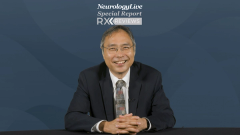
Neurologist Michio Hirano, MD, provides an overview of thymidine kinase 2 deficiency, discussing its underlying biology, clinical presentation, and natural history before the advent of disease-modifying therapy.
In this NeurologyLive® Special Report, Michio Hirano, MD, professor of neurology at Columbia University Irving Medical Center and a lead author of the recently published Brain Communications study on pyrimidine nucleos(t)ide therapy, discusses the evolving treatment landscape for thymidine kinase 2 deficiency (TK2d). Following the FDA approval of doxecitine and doxribtimine in November 2025, and the subsequent European Commission approval in early 2026, clinicians now have the first approved therapy for this ultra-rare mitochondrial disorder after years in which supportive care was the only available option.
Throughout this series, Hirano examines the integrated efficacy and safety findings that supported these landmark approvals, while placing the data into the broader clinical context of diagnosing, managing, and treating patients with TK2 deficiency. The discussion also explores what these advances mean for neurologists and neuromuscular specialists caring for patients across a wide spectrum of disease severity.
In this opening episode, Hirano begins with the fundamentals, providing an overview of TK2 deficiency and its underlying pathophysiology before discussing treatment. He reviews the genetic basis of the disease, the clinical features that distinguish pediatric and adult-onset presentations, and why progressive mitochondrial DNA depletion leads to worsening muscle weakness, respiratory compromise, and reduced survival. The conversation serves as a clinical foundation for understanding the therapeutic advances explored throughout the remainder of the series.
This program was supported by an independent medical education grant from UCB. the content was developed independently by NeurologyLive and the faculty. UCB has no control over the speakers, content, discussion or conclusions presented.