




The relationship between disease stage and behavior is important given the strength of the relationship relative to cognition and its negative impact on patients and caregivers.

The relationship between disease stage and behavior is important given the strength of the relationship relative to cognition and its negative impact on patients and caregivers.

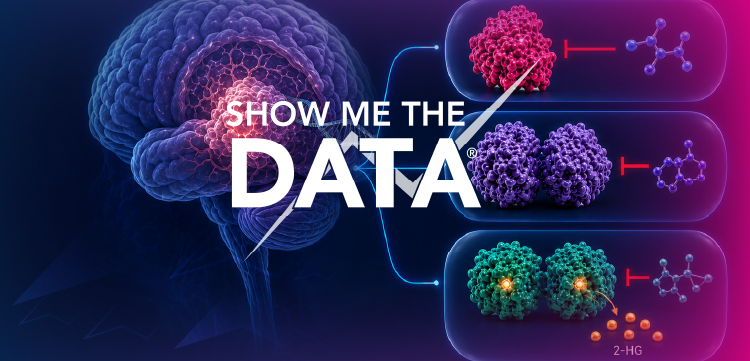
An emerging class of cancer drugs may help treat brain disorders such as amyotrophic lateral sclerosis frontotemporal dementia.

Also known as S48168, it was previously granted Orphan Drug designation as well as a Rare Pediatric Disease designation in 2015 for Duchenne Muscular Dystrophy.

The approval was based on bioavailability studies which compared the tablet formulation of riluzole to the oral suspension formulation.

The director of the electromyography laboratory and a professor of neurology at Cedars-Sinai discussed the misdiagnosis of the rare condition.

The director of the electromyography laboratory and a professor of neurology at Cedars-Sinai spoke about the treatment options for CIDP.

Jeffrey Allen, MD, spoke about the breakthrough barrier in CIDP and the importance of the guidelines for diagnosis.

If your patient is a construction worker, bus driver, gas station attendant, or mechanic, take notice: “This type of exposure deserves more attention and study as we work to develop a better understanding of what causes ALS,” notes the author of a recent study.

Results provide Class IV evidence that nusinersen is safe and efficient on motor symptoms in patients older than 7 months of age.

What are the best available options for patients with CIDP, and what is still missing?

A subcutaneous intrathecal catheter delivery system has proven safe and tolerable in a preliminary investigation in patients with SMA.

The director of the ALS Clinic at Massachusetts General Hospital pointed to the robust pipeline and meaningful gains in knowledge about the disease as reason to be hopeful.

The mesenchymal stem cell therapy passed an interim safety analysis for the first 31 patients with amyotrophic lateral sclerosis.

The designation is backed by positive interim data from ASPIRO, which has demonstrated significant improvements in neuromuscular and respiratory function at week 24.

Several clinical trials are examining the role of stem cells, inflammation, and other pathways in ALS.

The investigational drug is in development for treatment of Duchenne muscular dystrophy patients amenable to exon 51 skipping.

The approval is a first of its kind for the rare disease, and the first in a new class of drugs—small interfering ribonucleic acid (siRNA) treatments.

The once-daily 15-mg dose resulted in a significant 12-week improvement for patients with the rare condition.

Nine of 10 patients with chronic inflammatory demyelinating polyneuropathy may benefit from a regimen of pulsed corticosteroids followed by intravenous immunoglobulin.

A third-party manufacturing issue has delayed a phase I/IIa study for Sarepta Therapeutics.

A new study has found that an RNA-binding protein called TDP-43 could be a promising new biomarker for diagnosing amyotropic lateral sclerosis.

The autologous stem cell therapy is currently in a phase III trial.

A retrospective analysis of a dose-ranging trial found that those who were administered 100-mg daily riluzole, in comparison with placebo, spend a longer period of time in stage 4 of ALS.

A novel gene therapy has demonstrated impressive early results in a small sample of 3 children with Duchenne muscular dystrophy.

A grant from the National Institute of Neurological Disorders and Stroke, which allows for concurrent phase I and II trial design review, will speed up the development of novel treatments for patients with ALS and FTD.