
While specialists still debate the diagnostics of impaired cognition, the identification of patients at the earliest stages is beginning to be met through new biomarkers and available assays.
While specialists still debate the diagnostics of impaired cognition, the identification of patients at the earliest stages is beginning to be met through new biomarkers and available assays.
With few neuropalliative care services available in the US, the University of Rochester stands as a prime example of how a successful program can transform patient care.
The virtual care program built by The Ohio State University Wexner Medical Center allows for expanded access to patient care in rural areas, improved decision-making, and hands-on experience for young neurologists.
The past year has provided great steps forward in sleep science, and coupled with the lingering difficulties in care and the COVID-19 pandemic’s effects, the field is coming to a head to make sleep health a public health priority.
As the treatment paradigm for neurologic diseases rapidly progresses, the need for more thorough biomarker tools to measure disease progression and severity has increased, and in recent years, GFAP has emerged as a valuable candidate to add to the existing panel.
Through dedicated research into biomarker discovery and patient care, the neuroimmunology laboratory at Mayo Clinic has paved a new way of life for those with autoimmune disorders.

How Tracy Dixon-Salazar, PhD, the executive director of the LGS Foundation, went from a new mother to a neuroscientist, and her decades-long quest to improve the lives of patients like her daughter, Savannah.
As more organizations begin to adopt palliative care practices for patients with Parkinson disease, some may turn to the implemented plans of Cleveland Clinic as an example to follow.
Years of built-up trust in the community has enabled Montefiore’s Stern Stroke Center physicians to understand more about how stroke affects multicultural communities and to break down existing barriers to care.
Led by a team of top talents, NYU Langone’s Comprehensive Epilepsy Center’s contributions to drug development and improving the quality of life for patients stand among the field's most important.
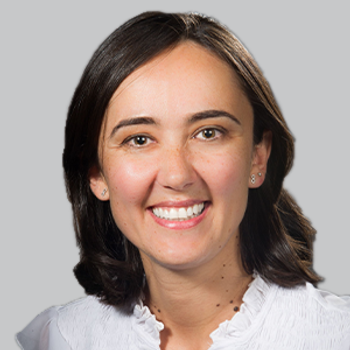
Luca Giliberto, MD, PhD, and Cristina d’Abramo, PhD, share more than a marriage: After years of research, their combined efforts to develop a passive immunotherapy for Alzheimer disease have earned them a $2 million grant from the National Institutes of Health.

Treating Alzheimer disease presents a spiderweb of complexity for physicians, and its intricacies have made assessing therapies equally puzzling.
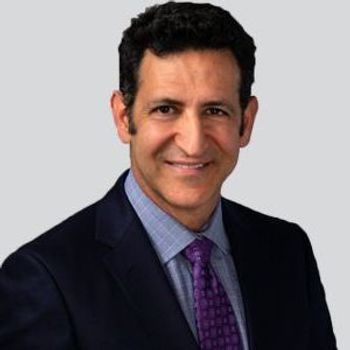
After a sudden reversal and complex analyses, aducanumab’s future rests in the hands of the FDA while the community stands split on if the available data are enough to justify an approval.