Findings suggest that a subgroup of patients categorized as amyloid beta-negative may continue to accumulate the destructive protein and experience cognitive changes.
Findings suggest that a subgroup of patients categorized as amyloid beta-negative may continue to accumulate the destructive protein and experience cognitive changes.
The research fellow at the University of Exeter spoke about the findings from her observational study which showed that living a favorable lifestyle could offset the risk for dementia, even if that risk is genetically linked. 



While single modality therapy is safe, feasible, and effective, researchers demonstrated that a combined modality shows greater domain-specific cognitive enhancements with higher transferability and sustainability.
Participants with high CSF Aβ1-42/tau and lower NPTX2 levels experienced greater decline throughout the 36 months than all other subgroups on memory acquisition, delayed recall, and CDR-sb.
Investigators found that participants struggled to adhere to the treatment protocol, which required them to administer 3 treatments per day.

The director of headache medicine and chief of general neurology at Yale Medicine spoke about the significance of having CGRP inhibitors in migraine treatment, and how eptinezumab fits into the treatment landscape.
No differences were observed in the magnitude of ubrogepant treatment effect between defined triptan subgroups.
The clinical professor of neurology at Albert Einstein College of Medicine spoke about the trends revealed by the OVERCOME study, and how this data can be used to improve the management of the millions of patients with migraine in the US.
The director of the Montefiore Headache Center and professor of neurology at Albert Einstein College of Medicine spoke about the results of an analysis of eptinezumab’s effect on the severity of migraine and its impact on patients’ lives.

Atogepant significantly reduced mean monthly migraine days compared to placebo across a number of doses and was generally well-tolerated, with no treatment-related serious adverse events.
Real-world data of erenumab indicates that a large number of patients are the chronic migraine population, and there is a high rate of persistence to the anti-CGRP therapy. The most commonly prescribed dose of erenumab was 70 mg.
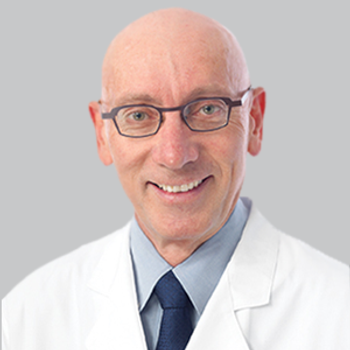
Patients with migraine who reported both moderate and severe pain intensity during headache attacks experienced high rates of relief and freedom from pain and their most bothersome symptom when treated with 3-mg sumatriptan injection, DFN-11.

An analysis of the open-label PREVAIL trial demonstrated a magnitude of therapeutic effect for eptinezumab that was either maintained or improved with subsequent infusions.
The professor of neurology, neurotherapeutics, and ophthalmology at UT Southwestern spoke about the potential of telemedicine in headache medicine, as well as the findings from a single-center, 45-patient study.

Despite ongoing discussion regarding the 6-item Headache Impact Test’s relevance in the migraine population—for which it was not specifically developed—the test has been shown to be a useful tool in the assessment of patients with migraine.
The director of the MedStar Georgetown Headache Center spoke about ubrogepant’s long-term safety and efficacy and its potential to fill the large gap that remains in acute migraine care.
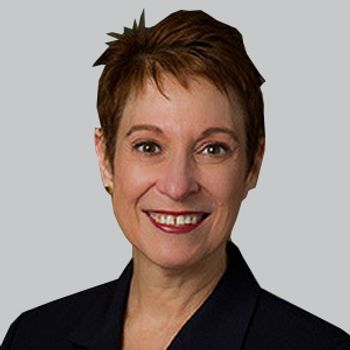
Patients with migraine rated their telemedicine visits as more convenient with shorter visit times; two factors that can also benefit providers.
Survey data revealed 36% of patients with migraine with prescription medications were using opioids in acute management, though data also reinforced that receiving a diagnosis of migraine or chronic migraine was associated with a significantly decreased likelihood of opioid use.

As measured with the Migraine Disability Assessment, the proportion of patients with episodic migraine experiencing severe disability was reduced significantly, and Headache Disability Inventory scores were significantly reduced.
The pediatric neurologist and epilepsy specialist at Children’s Hospital Colorado spoke about the need to continue to research therapies once they’re approved to better understand their use, and how cannabidiol falls into this category.
The director of the Jefferson Comprehensive Epilepsy Center spoke about the improvements that have come along with some of the surgical advancements in the treatment of epilepsy, specifically with laser interstitial thermal ablation.
Stephen D. Silberstein, MD, past AHS president and Editor in Chief of NeurologyLive, provides a preview of premier sessions that will take place at the upcoming annual meeting.
The neurology resident at the University of California San Francisco discussed how new wearable technology and electronic diaries have helped improve the understanding of seizure rhythmicity, and ultimately, epilepsy care.

In order to improve patient care in epilepsy, physicians need a more consistent and cohesive method of recording patient seizure activity. As wearables get more sensitive and specific, using them in tandem with electronic seizure diaries may help address the challenge.
The staff neurologist at Cleveland Clinic’s Mellen Center for MS shared her insight into the use of telemedicine in an outpatient setting across a number of subspecialties in neurology and how it can supplement care going forward.
The MS neurologist at Cleveland Clinic’s Lou Ruvo Center for Brain Health discussed the impact that propensity score has had on real-world data analysis, the use of additional outcome measures in trials, and the increasing understanding of progressive disease.
The head of neurology at the Sunnybrook Health Sciences Centre of the University of Toronto spoke about the limited available normative sleep data, and shared insight into the findings of the meta-analysis he and colleagues conducted of more than 150 studies.
The neurology resident at the University of California San Francisco spoke about the role that seizure diaries can play in a patient’s peace of mind, as well as in the understanding of that patient’s response to a given treatment.
The director of the Sleep-Wake Disorders Center at Montefiore Medical Center spoke about one of the major symptoms of narcolepsy and how to identify it during diagnosis.

Patients whose EEG changes were monitored prior to onset of clinical seizures and who were given preventive therapy demonstrated a lower risk of epilepsy overall, especially drug-refractory.