
The director of epilepsy surgery and associate professor of neurosurgery at UC Irvine spoke about the consequences of patients choosing to forgo beneficial surgery and the importance of communication between surgeon and epileptologist.
The director of epilepsy surgery and associate professor of neurosurgery at UC Irvine spoke about the consequences of patients choosing to forgo beneficial surgery and the importance of communication between surgeon and epileptologist.

Interim analysis of a 5-year, post-approval study of the NeuroPace Responsive Neurostimulation system support prior findings that the device is safe and effective in reducing medically intractable focal seizures in adults.

Fenfluramine oral solution is currently being evaluated by the FDA for the treatment of seizures associated with Dravet syndrome.
A single-center study of more than 3600 virtual visits displayed a high level of satisfaction from patients regarding their experience with telemedicine and their providers, suggesting the practice may be ready for large-scale use.

Patients treated with intranasal midazolam who were on enzyme-inducing AEDs experienced numerically lower treatment-emergent adverse events.
The director of epilepsy surgery and associate professor of neurosurgery at UC Irvine discussed the challenges he has encountered in getting patients with epilepsy to undergo beneficial procedures, often due to misinformation.
The director of pediatric epilepsy and the Herscot Center for Tuberous Sclerosis Complex at Massachusetts General Hospital, and professor of neurology at Harvard Medical School discussed the findings of the GWPCARE6 trial of cannabidiol.
The American Epilepsy Society recognized several members from its clinical and research communities for their outstanding contributions to the field of epilepsy.

Despite evidence of the benefits and safety of breastfeeding in women with epilepsy, 2 studies suggest this population breastfeeds significantly less often than women without epilepsy, due to fears of drug exposure or recommendations against the practice.

An analysis of 2 different doses of intranasal diazepam showed consistent safety and tolerability results for repeat dosing
The professor and chief of pediatric neurology, and director of the comprehensive epilepsy program and neuroscience institute at Le Bonheur Children’s Hospital offered insight into his experience with midazolam and its potential to play a vital role in treating seizure clusters.

Patients who were treated with cannabidiol 25 mg or 50 mg experienced seizure reductions of 49% and 48%, respectively, nearly double that of the placebo group, which experienced reductions of 27%.
NeurologyLive will be providing live coverage of AES 2019 from Baltimore beginning Saturday, December 7.

Analysis of long-term safety of intranasal diazepam shows favorable results in children and adolescents with cluster or acute, repetitive seizures.
Study results show that deflazacort tops prednisone across multiple checkpoints in patients with Duchenne muscular dystrophy.
Epilepsy-specific TRAQ questionnaire shows high validity in pediatric epilepsy patients transitioning to adult epilepsy care.
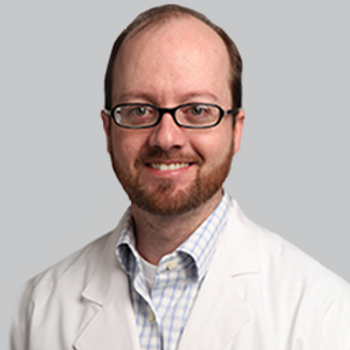
Data presented at the Child Neurology Society Annual Meeting suggest that the safety and efficacy of cannabidiol (Epidiolex; GW Pharmaceuticals) is maintained through 72 weeks of treatment for patients with LGS.

The drug recently gained FDA approval for treatment of lower limb spasticity in pediatric patients without cerebral palsy, in which it is associated with improved functional outcomes.
The associate professor of clinical pediatrics and neurology at Ohio State University and section chief of pediatric neurology at Nationwide Children’s Hospital stresses the importance of broadcasting correct information to the public concerning epilepsy.

A pooled analysis of 2 phase 3 trials of fenfluramine demonstrate the clinical potential of the drug for patients with Dravet syndrome.
The section chief of pediatric neurology at Nationwide Children’s Hospital discusses the realities parents face when exploring CBD to treat epilepsy.
Mia Minen, MD, MPH, sat down for an interview to discuss why behavioral therapies could be an effective and easily accessible treatment for posttraumatic headaches following events like concussions.
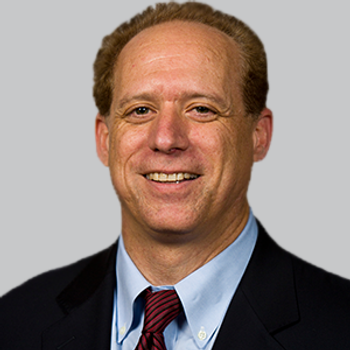
The wrist-worn wearable neuromodulation device for essential tremor was shown to be safe and efficacious in the PROSPECT trial, with more than 50% of patients experiencing a ≥50% improvement in tremor "power" or severity.
At the 2019 American Academy of Neurology Conference, Mia Minen, MD, MPH took the time to sit down and discuss the behavioral therapies associated with treating migraine.
At the 2019 American Academy of Neurology Annual Meeting, Mia Minen, MD, MPH, discussed the opportunities that the increasing number of mobile health users presents for migraine treatment.
Sperling sat down with NeurologyLive at AAIC 2019 to discuss her thoughts on efforts to detect and treat Alzheimer early on in the disease.
The neurologist at the National MS Center and University Hospital, in Brussels, discussed the clinician mindset when treating women with MS who plan to get pregnant, and how patients using assistive reproductive treatments should be approached.
The drug, the only approved botulinum toxin type B on the market, was recently approved for the treatment of chronic sialorrhea in adults.
The professor and senior physician in the department of clinical neuroscience at the Karolinska Institutet spoke to the use of stem cell transplantation as a potential method of treating multiple sclerosis.

The clinical development of ND0612 includes 2 doses; a low dose for mid-stage Parkinson patients experiencing loss of motor control on oral therapy, and a high dose for severe disease in which oral drugs are no longer effective.