
Neurology News Network for the week ending December 11, 2021. [WATCH TIME: 4 minutes]
Neurology News Network for the week ending December 11, 2021. [WATCH TIME: 4 minutes]

The cohort study was conducted using data from the Danish Multiple Sclerosis Registry for women with clinically isolated syndrome and relapsing remitting multiple sclerosis.
Take 5 minutes to catch up on NeurologyLive®'s highlights from the week ending December 10, 2021.
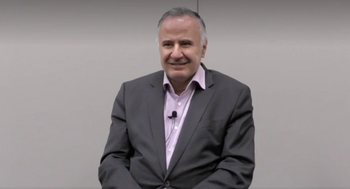
The director of Cleveland Clinic’s Epilepsy Center at the Cleveland Clinic Neurological Institute spoke on the latest advances with epilepsy surgery, as well as what still needs to be learned. [WATCH TIME: 5 minutes]
Leaders in the epilepsy space provided their thoughts on the most promising aspects, initial takeaways, and dominating conversations at the 2021 American Epilepsy Society annual meeting.


Adverse effects were common but manageable among patients and were not identified as a reason to discontinue treatment in those with refractory disease.

Investigators included 1059 patients from a population-based multidisciplinary Greek study aimed as estimating dementia epidemiology in the aging population.
The director of Cleveland Clinic’s Epilepsy Center at the Cleveland Clinic Neurological Institute discussed poignant presentations from the 2021 American Epilepsy Society Annual Meeting. [WATCH TIME: 7 minutes]
Despite displaying safety, after accounting for baseline differences between groups, statistically significant clinical improvement was not observed in key secondary outcomes, exploratory clinical outcomes, or responder analyses.
The neurologist from the Comprehensive Epilepsy Care Center for Children and Adults, in St. Louis, Missouri, discussed numerous presentations from AES 2021 that bolstered cenobamate’s known efficacy and safety profile. [WATCH TIME: 7 minutes]

Jeffrey Cummings, MD, ScD, discussed how the successes of new biomarkers and composite instruments will be crucial to the development of disease-modifying agents for Alzheimer disease.
Investigators suggest further studies to better determine is NPC had measurable benefits for patient quality of life.

Across all surgical procedures, the percentage of patients with seizure freedom for at least 12 months ranged from 20% to 35.7% for patients receiving cenobamate.
The scientific director at the Dravet Syndrome Foundation commented on the concern associated with vaccination in this patient population, noting that investigators have not observed an exacerbated risk profile with the COVID-19 vaccines. [WATCH TIME: 2 minutes]

The FDA has previously granted the Acadia Pharmaceuticals treatment fast track status and orphan drug designation for Rett syndrome.
The staff epileptologist at Cleveland Clinic’s Epilepsy Center discussed the current state of seizure tracking applications, their limitations, and their untapped potential to be integrated in clinical care and with electronic medical records.

In total, 6.4% of those with intellectual disability achieved seizure freedom and 37.5% had at least a 50% responder rate after treatment with perampanel.

Prespecified and post hoc analyses explored the heterogeneity of disease at baseline, with meaningful treatment effect indicated in a subset of patients with less severe ALS.
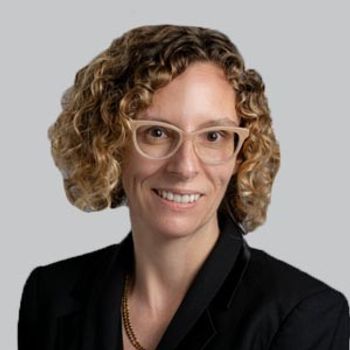
While typically thought of as a disease that affects younger populations, Rebecca O’Dwyer, MD, stressed the importance and nuances of caring for older adults with epilepsy.
The scientific director at the Dravet Syndrome Foundation discussed a recent survey asking caregivers about the experiences of patients with DS following COVID-19 vaccination. [WATCH TIME: 3 minutes]

Findings presented at AES 2021 included data from children with tuberous sclerosis complex and drug refractory epilepsy who were not candidates for epilepsy surgery.
Four out of 6 patients with CDKL5 deficiency disorder and comorbid Lennox-Gastaut syndrome had a decrease in frequency of major motor seizures when treated with ganaxolone.

Half of the patients who were on a flexible, longer-term Cognitive Behavioral Therapy-informed psychotherapy treatment schedule demonstrated improvements in seizure frequency by more than 50%.
At the 12-month mark, more than 64% of patients had remained on perampanel, with an overall mean retention time of 10.8 months.

Here's what is coming soon to NeurologyLive®.

The clinical psychologist at Cleveland Clinic discussed the potential of using cognitive behavioral therapy for treatment of psychogenic non-epileptic seizures on cognitive behavioral therapy. [WATCH TIME: 3 minutes]
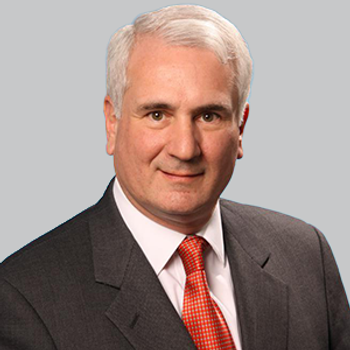
Approval permits the initiation of a phase 2 study to ascertain the efficacy of intranasal potentiated oxytocin in patients with chronic migraine.
Catch up on any of the neurology news headlines you may have missed over the course of the last month, compiled all into one place by the NeurologyLive® team.