
Bruce Bebo, PhD, and Amit Bar-Or, MD, FRCPC, FAAN, FANA, discussed the impact of the John Dystel Prize on multiple sclerosis research and its role in shaping future clinical advancements.
Bruce Bebo, PhD, and Amit Bar-Or, MD, FRCPC, FAAN, FANA, discussed the impact of the John Dystel Prize on multiple sclerosis research and its role in shaping future clinical advancements.
Pagan offered advice to early-career neurologists on how to stay current in the rapidly evolving field, emphasizing the importance of attending meetings and continuing education.

Sumaira Ahmed, founder and executive director of The Sumaira Foundation, discussed how FDA-approved therapies transformed the NMOSD treatment landscape and highlighted ongoing challenges in patient care.
Pagan talked about discussed pharmacokinetic-pharmacodynamic data supporting the use of amantadine ER for dyskinesia in Parkinson disease and compared the safety profiles of rasagiline and safinamide to guide add-on therapy decisions.

Here's some of what is coming soon to NeurologyLive® this week.
The founder and executive director of the Sumaira Foundation emphasized the critical role of lifestyle factors such as sleep, exercise, and nutrition for maintaining brain health in patients with NMOSD. [WATCH TIME: 3 minutes]
Among patients with BAD, 20.4% on argatroban plus DAPT experienced early neurological deterioration vs 47.1% on DAPT alone, and 87.8% vs 68.6% achieved excellent 90-day outcomes.
Test your neurology knowledge with NeurologyLive®'s weekly quiz series, featuring questions on a variety of clinical and historical neurology topics. This week's topic is on non-active secondary progressive multiple sclerosis.

In a large Swedish MS cohort, higher combined intake of lean and oily fish was linked to significantly reduced risks of confirmed disability worsening and EDSS progression, independent of lifestyle factors.
Neurology News Network. for the week ending April 26, 2025. [WATCH TIME: 3 minutes]
Take 5 minutes to catch up on NeurologyLive®'s highlights from the week ending April 25, 2025.
The neuromuscular neurologist at Nemours Children's Hospital in Florida talked about the increasing role of genomic medicine in neuromuscular disorders. [WATCH TIME: 4 minutes]

NLX-112 demonstrated safety and potential efficacy in reducing levodopa-induced dyskinesia and improving motor symptoms in Parkinson disease, with additional benefits seen in patients also receiving stable amantadine.
The phase 2 trial, spanning across 4 sites in the United States, evaluates dose-dependent safety, tolerability, and microglial modulation of foralumab in a cohort of nonactive secondary progressive multiple sclerosis.
In this segment, Pagan talked about how the field of neurology has changed in the last decade and shared where he sees it moving forward as well.
Roche has updated its phase 2 GENERATION HD2 trial to continue testing only the higher 100 mg dose of tominersen, following interim data favoring its potential clinical benefit in Huntington disease.
Pagan shared insights from InfusON patient interviews on the challenges and benefits of initiating CSAI therapy and discussed how expert roundtable recommendations can guide neurologists in managing skin nodules associated with treatment.

The switch from 1 anti-CGRP monoclonal antibody to another led to a significant reduction in monthly headache days, regardless of target mechanism, dose history, or time between treatments.
NeuroOne's OneRF system, already cleared for functional neurosurgery, is now being evaluated by the FDA for trigeminal nerve ablation to treat chronic facial pain.
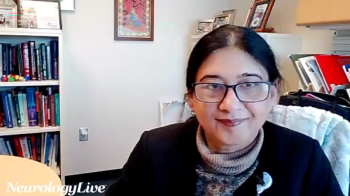
The division chief of child neurology at Dayton Children’s Hospital discussed findings from a study comparing patient satisfaction scores between telehealth and in-person visits in pediatric epilepsy care. [WATCH TIME: 4 minutes]

The system has been previously recognized with breakthrough device designation by the FDA, emphasizing its potential to enhance epilepsy care through more effective diagnosis and management.

The findings support the neuroprotective effects of GLP-1RAs and SGLT2is, suggesting their possible role in Alzheimer disease prevention strategies in people with type 2 diabetes.
IJMSC Insights offers a closer look at the latest research and the people behind it from the community of the International Journal of Multiple Sclerosis Care (IJMSC) and the Consortium of Multiple Sclerosis Centers (CMSC).
The director of sleep medicine at Nemours Children's Health in Florida talked about the growing role of multidisciplinary care and novel therapies in managing pediatric sleep disorders.

Results from the open-label extension of a phase 3 trial showed that treatment with ravulizumab sustained clinical benefits for up to 4 years in patients with generalized myasthenia gravis.

In this phase 2 trial, TTNS using the Geko device was safe and well tolerated but showed no significant benefit over sham in improving urinary symptoms in Parkinson disease.
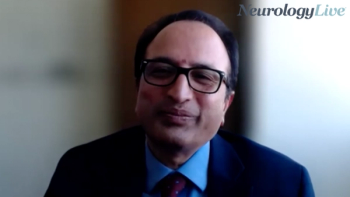
The division chief of neurology at Nemours Children’s Hospital spoke on the need for timely referrals to epilepsy centers for patients with drug-resistant epilepsy. [WATCH TIME: 5 minutes]
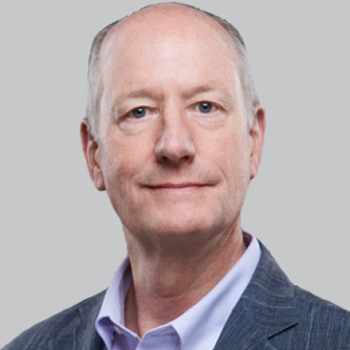
Matthew Wicklund, MD, a professor of neurology at the University of Texas Health Science Center San Antonio, offered a clinical and translational overview of OPMD, highlighting current care challenges and the early promise of dual-action gene therapy strategies.
In the LEARN trial, long-term MMF treatment in NMDARE reduced relapse risk, improved seizure control and symptom burden, and was well tolerated over 24 months.

Data suggest no significant differences in comorbidity rates in a newly published study, highlighting dosing challenges and treatment patterns in patients receiving immediate-release sodium oxybate.