
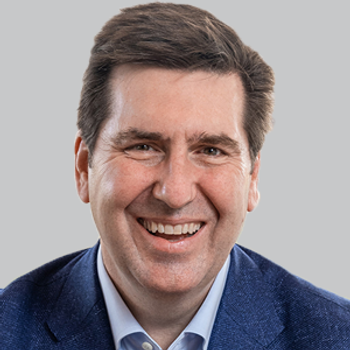
The approval was based on data from the ADAPT-PD trial, a prospective study that laid the foundation for aDBS use in a real-world clinical environment.
The approval was based on data from the ADAPT-PD trial, a prospective study that laid the foundation for aDBS use in a real-world clinical environment.

Symbravo showed a statistically significant greater migraine treatment response compared to prior oral CGRP inhibitors (P <0.001), with 47.9% of patients reporting 2-hour pain freedom for most attacks versus 1.0% with oral CGRPs

The associate professor of neurology at Columbia University provided commentary on the rapid advancements in translating genetic research into ALS treatments and the challenges that remain. [WATCH TIME: 5 minutes]

Here's some of what is coming soon to NeurologyLive® this week.

A recent analysis identified potential safety concerns associated with pitolisant, sodium oxybate, solriamfetol, and modafinil, highlighting distinct adverse event profiles for each narcolepsy treatment.

The director of the Cerebrovascular Center at Mount Sinai discussed how results from the ESCAPE-MeVO trial highlight the impact of anesthesia rates, thrombectomy techniques, and the need for rigorous clinical trials to minimize bias. [WATCH TIME: 3 minutes]
Test your neurology knowledge with NeurologyLive®'s weekly quiz series, featuring questions on a variety of clinical and historical neurology topics. This week's topic is on the history of the ACTRIMS Forum.

Normotensive patients with narcolepsy on sodium oxybate had over 50% of a higher risk of new-onset hypertension or antihypertensive medication use compared with nonusers of the treatment.
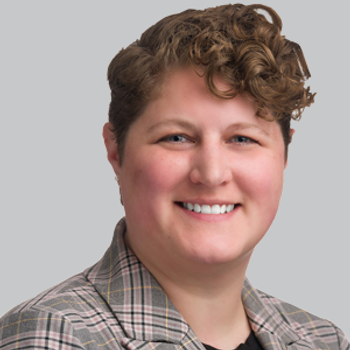
Neurology News Network. for the week ending February 23, 2025. [WATCH TIME: 3 minutes]
Take 5 minutes to catch up on NeurologyLive®'s highlights from the week ending February 21, 2025.

The president of the American Heart Association discussed how precision medicine, advanced imaging, and expanded treatment windows are transforming stroke care, as displayed at ISC 2025. [WATCH TIME: 5 minutes]

Pathogenic variants in the CACNA1A, ATP1A2, and SCN1A genes were associated with a higher risk of migraine, particularly in heterozygous carriers of loss-of-function and neutral variants.

The professor of neurology at the Geisel School of Medicine at Dartmouth talked about how the combination therapy involving meloxicam and rizatriptan may provide a more effective approach to treating migraine. [WATCH TIME: 6 minutes]

Mind Moments®, a podcast from NeurologyLive®, brings you an exclusive interview with Julie Flygare, JD. [LISTEN TIME: 16 minutes]

A recent study reported that the presence of oligoclonal bands in cerebrospinal fluid of patients with myelin oligodendrocyte glycoprotein antibody-associated disease may be associated with a higher risk of relapse.

More than 90% of participants had Parkinson's disease mild cognitive impairment (PD-MCI), highlighting TAK-071’s potential for treating early-stage cognitive decline in Parkinson disease.
The pediatric neurologist at Children’s Hospital of Philadelphia provided background on a notable track session at the upcoming MDA Clinical & Scientific Conference covering updates in gene therapy for neuromuscular conditions. [WATCH TIME: 4 minutes]
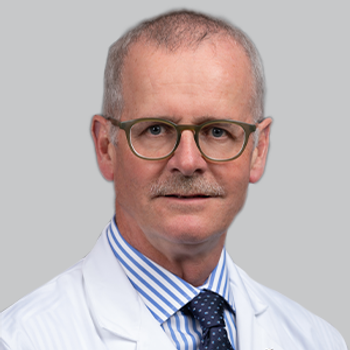
A pair of lead neurologists at Baptist Health South Florida provided commentary on some of the promising developments expected to emerge in neurology over the coming months.

The assistant professor in the neurology department at the University of Utah in Salt Lake City discussed the importance of addressing broader quality-of-life measures in patients with NMOSD beyond just preventing relapses. [WATCH TIME: 3 minutes]

Marketed as Wakix, the treatment is currently approved in the United States for excessive daytime sleepiness (EDS) or cataplexy in adults with narcolepsy and for EDS in pediatric patients aged 6 and older.

Zorevunersen, an antisense oligonucleotide, is currently being evaluated in a phase 3 registrational trial, with data expected in the second half of 2027.

The FDA has assigned a PDUFA action date of August 19, 2025, and if approved, vatiquinone would be the first therapy for pediatric patients with Friedreich ataxia.
The director of the Montefiore Headache Center at Albert Einstein College of Medicine provided an overview of the drug profile for the recently approved migraine treatment AXS-07. [WATCH TIME: 3 minutes]

Total healthcare costs were 14% higher for patients with potentially inappropriate medication use in the Alzheimer-insomnia cohort, with significant contributions from inpatient care, ambulatory care, and pharmacy costs.
The associate professor of neurology at Columbia University gave clinical insight on what neurologists and other neuromuscular specialists can expect from the ALS/frontotemporal dementia track at this year’s MDA Clinical & Scientific Conference. [WATCH TIME: 3 minutes]
The movement disorder nurse practitioner at Stony Brook Medicine talked about the growing role of artificial intelligence in neurology and emerging treatments for Parkinson disease.
The president of the American Heart Association provided post-conference commentary on the advances shaping stroke care and excitement behind this year’s International Stroke Conference. [WATCH TIME: 3 minutes]

After 90 days of treatment, investigators observed positive findings on microdystrophin expression, as well as reductions in markers of muscle injury and stress, and muscle breakdown and dystrophic regeneration.

Matthew B. Harms, MD, an associate professor of neurology at Columbia University Irving Medical Center, an MDA Care Center, gave clinical insights on the advances in ALS genetic research and what clinicians can expect from the ALS/FTD track at the 2025 MDA Clinical & Scientific Conference.