
Test your neurology knowledge with NeurologyLive®'s weekly quiz series, featuring questions on a variety of clinical and historical neurology topics. This week's topic is on insomnia.
Test your neurology knowledge with NeurologyLive®'s weekly quiz series, featuring questions on a variety of clinical and historical neurology topics. This week's topic is on insomnia.

Ongoing analysis of vamorolone's effects as a mineralocorticoid receptor antagonist in healthy adults is underway, with results to be presented at upcoming medical conferences.

The phase 2 study, expected to include 575 patients with acute migraine, will use percentage of participants with freedom from pain and freedom from the most bothersome symptom as the coprimary end points.
Neurology News Network. for the week ending October 5, 2024. [WATCH TIME: 4 minutes]

Over a 12-month period, patients showed sustained improvements in disease progression through valbenazine, regardless of concomitant antipsychotic treatment.
Take 5 minutes to catch up on NeurologyLive®'s highlights from the week ending October 4, 2024.

Amifampridine enhances neuromuscular transmission and relieves muscle weakness, showing promise for Lambert-Eaton myasthenic syndrome and other neuromuscular junction disorders.

Mind Moments®, a podcast from NeurologyLive®, brings you an exclusive interview with Daniel Ontaneda, MD, PhD. [LISTEN TIME: 27 minutes]

The neurologist at the University Hospital Center of Nice discussed whether radiologically isolated syndrome represents a pre-symptomatic phase of multiple sclerosis based on a hot topic session held at the 2024 ECTRIMS Congress. [WATCH TIME: 4 minutes]

Sleep is critical for physical and mental health, with its insufficiency leading to various disorders and increased health risks; thus, clinicians should integrate sleep assessments and hygiene strategies into their clinical care.
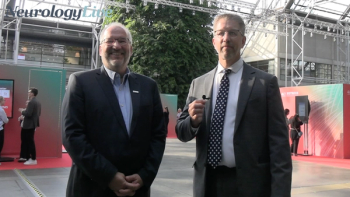
A duo of experts talked about a positive phase 2 trial of vidofludimus calcium, demonstrating reductions in serum neurofilament light levels and potentially slowing brain atrophy in patients with progressive multiple sclerosis. [WATCH TIME: 4 minutes]

The KINETIC 2 study did not show statistically significant improvement in essential tremor symptoms compared to placebo, leading to the termination of its development for this condition.

Transition to college life poses unique challenges for students living with migraine, and a comprehensive checklist helps ensure they are prepared for this critical phase.

The Total Posterior Spine System offers a promising alternative to spinal fusion, preserving mobility and reducing strain on adjacent spinal levels in patients with spondylolisthesis and spinal stenosis.

This trial aims to explore the role of the noradrenergic system in behavioral and cognitive outcomes and could lead to new therapeutic strategies for managing PSP.

ION464 is designed to inhibit the production of the alpha-synuclein protein, aiming to reduce the accumulation of this protein in the brain, which is believed to be a key factor driving neurodegeneration in MSA and Parkinson disease.
The director of the Huntington’s Disease Clinic at Vanderbilt University Medical Center gave commentary on the unique development of ATH434, its ability to target iron accumulation, and how it may slow disease progression in multiple system atrophy. [WATCH TIME: 3 minutes]

The consultant neurologist and senior lecturer at St. Georges Hospital in London, provided commentary on the diagnosis, management, and future research around neuropsychiatric symptoms of Parkinson disease.

A recent survey showed that patients with Parkinson disease quickly adapted to using continuous subcutaneous apomorphine infusion therapy, with high amount of recommending the device to others.

Amantadine extended-release capsules, approved for levodopa-related dyskinesia and OFF episodes in Parkinson disease, offer high amantadine concentrations that peak in the time of first morning levodopa dose.
The chief medical officer and chief development officer at BlueRock Therapeutics provided perspective on newly presented data investigating a cell therapy for patients with Parkinson disease. [WATCH TIME: 4 minutes]

Nina Riggins, MD, PhD, FAAN, FAHS, UCNS Diplomate, highlighted the essential role of advocacy in advancing neurological care, particularly in improving the transition process for pediatric patients with migraine to adult care.

ELATE, a multicenter, randomized, double-blind, placebo-controlled trial, aims to address the limitations of current oral therapies by exploring a targeted, localized treatment option.

As part of our monthly clinician spotlight, NeurologyLive® highlighted neuromuscular-associated cardiomyopathy expert Forum Kamdar, MD, PhD, FACC, FHFSA, an advanced heart failure physician-scientist at the University of Minnesota.

Kelly Brazzo, founder and CEO of CureLGMD2i Foundation, and Dennis Akkaya, chief Commercial Officer at MyTomorrows, share insight on a new partnership that aims to ease accessibility to drug development trials for patients with LGMD.
In a post hoc analysis of the COSMOS study, 24-hour LCIG infusion led to a reduction in nocturnal and morning akinesia, though many patients continued to rely on nighttime add-on medications.

Here's some of what is coming soon to NeurologyLive® this week.
The neuropharmacologist at the University of Lille, in France, provided commentary on promising results from the phase 1/2 DIVE-I trial assessing the safety and efficacy of a device-assisted therapy in Parkinson disease. [WATCH TIME: 6 minutes]

While participants responded positively to nutritional guidance and the Mediterranean diet, they expressed negative views on the ketogenic diet due to its restrictive nature, social impracticality, and gastrointestinal side effects of MCT oil.

Patients reported increased good ON time and improved confidence in daily activities while experiencing a lower treatment burden compared to their previous medication regimens.