Catch up on any of the neurology headlines you may have missed in October 2026, compiled into 1 place by the NeurologyLive® team.
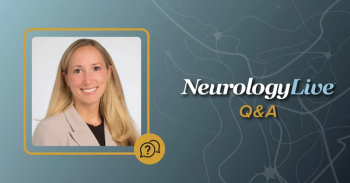
Gitelman discusses findings linking high-dose influenza vaccination to lower Alzheimer disease risk, study limitations, and potential implications for future dementia prevention research.
Research into the potential relationship between vaccination and brain health has gained increasing attention, with several studies examining whether immunization may be associated with a lower risk of dementia. Investigations involving influenza, herpes zoster, and other vaccines have contributed to interest in the role of immune responses and preventive health in neurodegenerative disease.
Building on this research, a recent study examined the relationship between influenza vaccine dosage and the risk of Alzheimer's disease (AD), comparing outcomes among individuals who received high-dose and standard-dose formulations.1 The findings add to ongoing investigations into whether differences in vaccine formulations may influence associations with dementia risk.
To further discuss the findings and their potential implications, NeurologyLive® spoke with Darren Gitelman, MD, senior medical director of the Advocate Memory Center in Park Ridge, Illinois. Gitelman provided perspective on the study, the challenges of interpreting observational vaccine research, and the questions that remain surrounding the relationship between immunization and brain health.
Gitelman, MD: This is a fascinating area of research that has emerged through several studies examining different types of vaccines and their relationship with dementia risk. It also fits into the broader discussion of lifestyle and preventive health factors that may influence the risk of developing dementia.
The herpes zoster vaccine is probably the best studied in this area, with research showing an association with lower dementia risk. Other vaccines that have been investigated include influenza, Tdap, and BCG.
There has also been interest in vaccines that use adjuvants, including the newer recombinant zoster vaccine, Shingrix, and RSV vaccines. Several of these immunizations have demonstrated potential associations with a modest reduction in dementia risk, although the evidence is strongest for the zoster vaccine.
The first thing I would emphasize is that no studies have yet demonstrated that receiving a vaccine reduces or eliminates someone's risk of developing dementia. Much of the research in this area has been observational, including the current study.
Vaccines should primarily be recommended for their established benefits in preventing the infections they target. People should receive influenza vaccination because they want to avoid influenza, and they should receive the zoster vaccine because they want to prevent shingles. A potential reduction in dementia risk could represent an additional benefit, but that has not been established.
For older adults, there is excellent evidence that high-dose influenza vaccination provides better protection against influenza than the standard-dose vaccine. That is an important reason to use the higher-dose formulation in this population.
In the current study, there were relatively few safety concerns. Fever was somewhat more common with the high-dose vaccine, but serious adverse events were not increased. The overall potential benefit in relation to dementia was relatively small. The investigators estimated that approximately 185 to 270 people would need to receive the high-dose vaccine to avoid 1 case of AD or dementia. That represents a large number of individuals, and the potential benefit for any one person is modest.
The investigators appropriately spent considerable time discussing the different analyses they performed and the potential confounders they attempted to control for. They also used statistical methods to match the 2 groups as closely as possible.
This was not a prospective study in which participants were enrolled and followed directly. Instead, it relied on a claims database that included approximately 120,000 individuals who received the high-dose vaccine and 44,000 who received the standard-dose vaccine. The investigators had to use statistical approaches to account for differences between those populations.
Another limitation is that they did not have direct clinical assessments of participants. They relied on claims data to identify individuals with AD, other dementias, or mild cognitive impairment. These diagnoses can be subject to bias, and dementia is often underdiagnosed in claims databases.
One particularly interesting finding was that some of the effects appeared within the first month. We would not necessarily expect a vaccine to have an effect that quickly, particularly when AD and other dementias are conditions that develop over decades. It is not entirely clear how to explain that early association.
There is also the possibility of what is called healthy vaccinee bias. People who take care of their health may be more likely to receive vaccines, but they may also be more likely to exercise, eat a healthy diet, and engage in other behaviors associated with better health outcomes. Those differences can influence the results.
Some of the findings also appeared somewhat fragile. When the investigators restricted certain dementia diagnoses or changed the population included in their analyses, some of the associations were no longer apparent. There were also differences between men and women. Women appeared to demonstrate an earlier association, whereas men showed a later association with reduced dementia risk. The reasons for that are unclear.
The study also lacked biomarkers and direct clinical diagnoses. In one analysis involving mild cognitive impairment, there was even a slightly higher risk of dementia depending on how MCI was defined, which was somewhat unexpected.
Finally, investigators can only control for confounders that are available in their database. Unmeasured aspects of an individual's medical history cannot be accounted for. I also believe there were no death data available, meaning that death as a competing risk could not be adequately evaluated. The follow-up period was approximately 3 years, which is relatively short for a disease process that can take decades to develop. Additionally, relatively few individuals in the database were older than 65 years, with approximately 5% falling into that age group.
There are, therefore, several potential sources of bias to consider, even though the study does provide some suggestion that high-dose influenza vaccination may make a difference.
I would not consider myself a vaccine expert, but men and women do appear to have differences in their immune systems. Women tend to have higher rates of certain immune-related disorders, including collagen vascular diseases and lupus. They also appear to have a greater risk of AD. In AD, several genes associated with the disease are related to immunological factors, including complement pathways and the major histocompatibility complex.
There may be genuine differences between men and women in their immune systems, and those differences could potentially be reflected in their responses to vaccination. However, I would emphasize that this question has not been answered by this study or similar investigations. Could the lower AD risk associated with high-dose influenza vaccination reflect better protection against infection or a separate immune mechanism?
There are several potential explanations for the observed effects. One question is whether this represents an influenza-specific effect, in which vaccination prevents infection, or a more nonspecific effect on the immune system. Those possibilities are not mutually exclusive, but the study does not provide an answer.
Preventing influenza infections could reduce systemic inflammation. There are experimental models of AD in which inflammation appears to play a role in the initiation and progression of the disease, so that could be one possible mechanism.
Other mechanisms may be less specific to influenza. Vaccines may have broader effects on what is called innate immunity. For example, BCG vaccination, which is primarily used against tuberculosis, has been associated with lower risks of certain other disorders and infections. Vaccination may also influence age-related inflammation throughout the body. It is also possible that individuals receiving vaccines in the study were healthier in other ways that were not fully captured in the analysis.
In terms of future research, prospective studies would provide stronger evidence than observational analyses. There are studies looking at randomizing individuals to receive either high-dose or standard-dose influenza vaccination, which could offer a more rigorous way to evaluate this question.
A prospective cohort could also incorporate cognitive testing and biomarker assessments to establish more reliable diagnoses. Researchers could collect immunological biomarkers to better understand the potential mechanisms involved, along with biomarkers associated with AD, inflammation, and other causes of dementia.
Three to 5 years is a relatively short timeline for drug studies, particularly when considering study development, recruitment, follow-up, and analysis. I think the next step is to conduct prospective studies that include more reliable diagnostic assessments and additional biomarkers related to dementia, inflammation, and infection. That would help researchers better understand the potential mechanisms behind these associations.
It may also make sense to begin with immunizations that have demonstrated stronger associations with lower dementia risk, such as the zoster vaccine, before expanding investigations to other vaccines. Researchers could also examine whether vaccine characteristics make a difference, including high-dose versus standard-dose formulations, adjuvanted vaccines, and recombinant vaccines. More targeted studies that collect additional clinical and biological information will likely be important for moving this field forward.
I think it is becoming increasingly clear that we are not going to overcome disorders like AD simply by giving people expensive medications. It is important to consider the different lifestyle and preventive health factors that may reduce risk.
By the time someone develops dementia, the underlying disease process may have been occurring for decades. We cannot reverse that process simply by having someone start eating well or exercising once symptoms appear. Instead, we need to consider what can be done earlier in life to potentially lower risk at a population level.
That includes vaccination, physical activity, and diet; but these approaches need to be supported by evidence and implemented in a sustainable way. Health systems, including Advocate Health, have opportunities to promote these types of healthy behaviors through primary care and routine patient interactions. I think that will become an increasingly important part of preventive health.
Transcript edited for clarity.