
Opinion|Videos|June 5, 2026
Interpreting Phase 3 Efficacy Data: Seizure Reduction and Global Clinical Improvement in CDD
Author(s)Sam Amin, MD
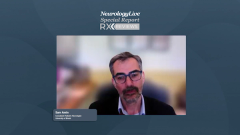
Sam Amin, MD, reviews the primary and secondary efficacy findings from the phase 3 fenfluramine study in CDKL5 deficiency disorder, highlighting meaningful reductions in seizure burden and improvements in global functioning measures.
Advertisement
Episodes in this series
In rare epileptic encephalopathies such as CDKL5 deficiency disorder (CDD), even modest reductions in seizure frequency can have meaningful implications for daily functioning, caregiver burden, and overall quality of life. As newer therapies emerge, clinicians are increasingly focused not only on seizure reduction, but also on broader measures that reflect real-world clinical improvement.
As part of this Special Report, Sam Amin, MD, discusses efficacy findings from a recent phase 3 randomized, double-blind, placebo-controlled study evaluating fenfluramine in patients with CDD. Amin, a study author and pediatric neurologist with expertise in developmental and epileptic encephalopathies, contextualizes the magnitude of seizure reduction observed in the study and explains how responder analyses and global impression measures may help clinicians interpret the therapy’s broader clinical impact.
In this episode, Amin walks through the study’s primary and secondary efficacy findings, including reductions in countable motor seizure frequency, responder rates across multiple seizure reduction thresholds, and improvements observed on the Clinical Global Impression Improvement scale from both investigator and caregiver perspectives.
Advertisement
Related to this article

The CHMP recommended approval of gefurulimab (Klygefa), a weekly self-administered C5 inhibitor, for AChR-antibody-positive generalized myasthenia gravis in the EU.

Here's some of what is coming soon to NeurologyLive® this week.

Test your neurology knowledge with NeurologyLive®'s weekly quiz series, featuring questions on a variety of clinical and historical neurology topics. This week's topic is Parkinson disease biomarkers!
A retrospective cohort study found DTI-ALPS, a glymphatic function marker, did not independently predict survival in glioblastoma beyond extent of resection and sex.
The approval, based on phase 3 IB1001-303 trial data showing consistent SARA scale improvement, makes levacetylleucine the first treatment approved specifically for ataxia-telangiectasia.
Take 5 minutes to catch up on NeurologyLive®'s highlights from the week ending September 18, 2026.
A published protocol outlines the randomized, open-label EPOCH trial testing whether cilostazol accelerates hematoma resorption and improves recovery after intracerebral hemorrhage.

Brian Lin, PhD, discussed the current evidence linking football participation with ALS, the questions that remain unanswered, and how emerging research may help clarify the association.
Advertisement
Advertisement
Trending on NeurologyLive - Clinical Neurology News and Neurology Expert Insights
1
FDA Approves Levacetylleucine for Ataxia-Telangiectasia
2
FDA Clears Phase 1b/2 Trial of CAR T-Cell Therapy C-CAR168 for Refractory Progressive Multiple Sclerosis
3
Episode 175: Advancing the Ways of Treating Cluster Headache
4
FDA Approves UX111, First Gene Therapy for Pediatric Sanfilippo Syndrome Type A
5