Now Playing
The discussion opens with a clinical overview of CDKL5 deficiency disorder, focusing on the severe seizure burden, associated developmental complications, and the ongoing limitations of current antiseizure treatment strategies.
CDKL5 deficiency disorder (CDD) is a rare developmental and epileptic encephalopathy characterized by early-onset, treatment-resistant seizures and severe neurodevelopmental impairment. Patients often experience multiple seizure types alongside profound cognitive, motor, and systemic complications, creating a substantial lifelong burden for both patients and caregivers. Despite the use of multiple antiseizure medications, seizure control remains difficult for many individuals with the disorder.
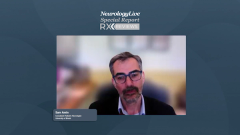
In this Special Report, Sam Amin, MD, discusses emerging insights surrounding fenfluramine in CDD, including findings from a recent phase 3 randomized study evaluating the therapy in this patient population. Amin, a study author and pediatric neurologist specializing in developmental and epileptic encephalopathies, provides clinical context around the unmet needs in CDD and how newer therapeutic approaches may begin to reshape management strategies for these patients.
In this opening episode, Amin provides a broad clinical overview of CDD, outlining the wide spectrum of seizure types, common comorbidities, and the limitations associated with existing antiseizure therapies. He also highlights the rationale for exploring fenfluramine in this condition, particularly following prior efficacy signals observed in Dravet syndrome, Lennox-Gastaut syndrome, and earlier pilot studies in CDD