
Opinion|Videos|June 12, 2026
Key Takeaways and Closing Thoughts on CIDP Diagnosis and Treatment
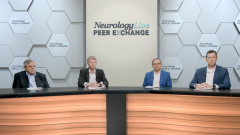
Experts weigh CIDP care: IVIG limits, emerging therapies, early-yet-accurate diagnosis, objective response checks, and screening for paraproteins.
Advertisement
In the final episode, "Key Takeaways and Closing Thoughts on CIDP Diagnosis and Treatment," the panelists explore the most important lessons and forward-looking perspectives from their comprehensive discussion on CIDP. Reflecting on the treatment landscape, one expert expresses enthusiasm for the progress made beyond the era when managing corticosteroid side effects dominated clinical practice, while acknowledging that immunoglobulin therapy, though highly effective, does not work for all patients. The panel shares collective optimism about recently approved and pipeline therapies that offer improved efficacy and tolerability for patients who do not respond adequately to existing treatments.
On the topic of diagnosis, a panelist reiterates that early and accurate identification of CIDP remains paramount, cautioning that both overdiagnosis and underdiagnosis continue to pose significant clinical challenges. A short three-month trial of immunotherapy is offered as a practical diagnostic tool in cases of suspected acquired demyelination that do not fully meet CIDP criteria, with the important caveat that objective outcome measures — rather than subjective patient-reported improvement alone — must guide the assessment of treatment response. Patients who improve subjectively but show no objective change should not be continued on therapy indefinitely.
The panel also emphasizes that a lack of response to evidence-based treatment should prompt reassessment of the diagnosis before escalating therapy. Serum immunofixation is highlighted as an essential test in all patients with suspected CIDP, given that paraproteinemic neuropathies, including those associated with myeloma and other malignancies, can closely mimic the condition and carry serious consequences if the underlying diagnosis is missed or delayed. The episode closes with a reminder that just as treatment response supports a CIDP diagnosis, treatment failure should call it into question — a principle panelists identify as a critical and sometimes overlooked aspect of responsible clinical practice.
Thank you for watching this Peer Exchange series on CIDP. Please subscribe to our newsletter for information on upcoming video series.
Advertisement
Related to this article

New data from the 2026 AANEM Annual Meeting showed zilucoplan delivered via autoinjector was bioequivalent to the pre-filled syringe and was well tolerated when self-administered by patients with generalized myasthenia gravis.

The phase 3 HARMONIA trial will evaluate whether a muscle- and CNS-targeted antisense conjugate improves function across multiple systems in patients with myotonic dystrophy type 1.
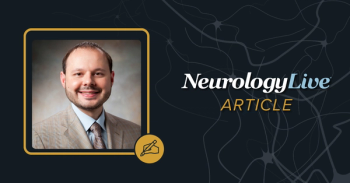
New phase 3 MINT trial analyses presented at the 2026 AANEM Annual Meeting showed inebilizumab produced sustained improvement in MuSK-positive gMG regardless of time since diagnosis.
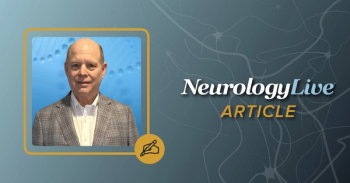
PridCor Therapeutics is moving its phase 2 SHIELD trial of a combination antiviral regimen toward enrollment, building on case series data showing durable symptom improvement in long COVID.

New PREVAIL trial analyses presented at the 2026 AANEM Annual Meeting showed gefurulimab reduced gMG-related hospitalizations and produced durable symptom and quality-of-life gains through one year.
FDA approves once-daily oral tavapadon for Parkinson disease, a first-in-class D1/D5 partial agonist that improves motor function and ON time, with key safety warnings.
In a discrete choice experiment, somnolence risk and short-term efficacy were the top factors driving vesicular monoamine transporter 2 inhibitor selection for tardive dyskinesia in patients aged 55 years and older.

Here's some of what is coming soon to NeurologyLive® this week.
Advertisement
Advertisement
Trending on NeurologyLive - Clinical Neurology News and Neurology Expert Insights
1
FDA Approves Tavapadon for the Treatment of Parkinson Disease
2
SHIELD Trial Advances Combination Antiviral for Long COVID
3
Gefurulimab Cuts Hospitalizations, Sustains Response in Phase 3 PREVAIL Trial of Myasthenia Gravis
4
Inebilizumab Shows Durable Benefit in MuSK+ Generalized Myasthenia Gravis at AANEM 2026
5