A new case report underscored the need to consider CNS lymphoproliferative disease when patients on chronic immunosuppression for neuromyelitis optica spectrum disorder develop unexplained neurologic decline.
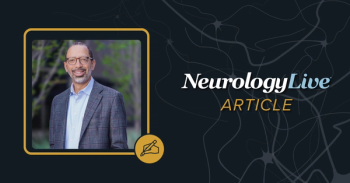
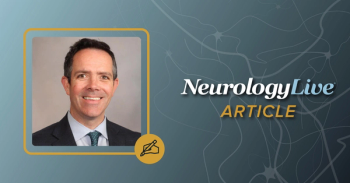
Benjamin Greenberg, MD, internationally recognized NMOSD expert, discussed the growing use of recently approved therapies, the importance of early diagnosis, and investigational approaches, including biomarker development and CAR-T therapy, for NMOSD Awareness Month.
March marks Neuromyelitis Optica Spectrum Disorder (NMOSD) Awareness Month, a time dedicated to increasing recognition of this rare autoimmune neurologic disease that primarily affects the optic nerves and spinal cord. Although historically misdiagnosed as multiple sclerosis, advances in diagnostic testing, particularly the identification of aquaporin-4 antibodies, have improved clinicians’ ability to distinguish NMOSD and implement targeted therapies. Awareness efforts aim to promote earlier diagnosis, expand access to effective treatments, and support ongoing research focused on preventing relapses and reducing long-term disability among individuals living with the condition.¹
To gain additional perspective on the evolving landscape for NMOSD, NeurologyLive® spoke with internationally recognized NMOSD expert
NeurologyLive: Are there any therapeutic agents for NMOSD that have come to the forefront of research recently?
Greenberg: Over the last six years, we’ve had FDA approval for several agents. The most recent approvals was in a class called complement inhibitors. What we’ve seen over the last couple of years is a real increase in the uptake and use of these FDA-approved therapies, really taking the place of some of the older drugs that we used off-label.
What are some of the newer drugs that were approved during that period?
There are four that received a specific FDA label for what’s called seropositive neuromyelitis optica or aquaporin-4 antibody–positive disease: eculizumab, ravulizumab, satralizumab, and inebilizumab.
Two of these are complement inhibitors—eculizumab and ravulizumab. One is an IL-6 receptor inhibitor, satralizumab, and the last is an anti-CD19 B-cell–depleting drug, inebilizumab.
With these drug approvals over the last half decade, how can clinicians continue to optimize treatment as they provide care for patients with NMOSD?
The cornerstone for providing care for patients with neuromyelitis optica spectrum disorder is identifying the patient early. We’re really pushing clinicians that when they have a patient who presents with either optic neuritis or myelitis, they should send aquaporin-4 blood tests on all of those patients. The reason is NMOSD is very treatable with these FDA-approved therapies is they are meant to prevent future relapses. If you prevent future relapses, patients have no further symptoms and they do extremely well.
The cornerstone is early diagnosis. After that, it becomes a discussion with patients about the different drugs and their route of administration. Three of them are intravenous infusions and one is a self-injectable medication. They also have different frequencies of administration—the most frequent is every two weeks, while the most spaced out is every six months.
There are also different risk profiles with the different classes of drugs. Some have higher risks of certain infections, while others have more laboratory abnormalities. It becomes a very personalized discussion with each patient about which of these four drugs makes the most sense for them.
And it goes without saying that in the world we live in, third-party payers play a significant role in that process. When I’m counseling patients, I remind them that you may have a first choice, but we may need to go to your second choice if we hit a brick wall with your insurer. I encourage everyone to think about all of the drugs available.
Are there any new pathways to treat NMOSD that are currently being researched?
There are a variety of drugs being considered for study, and some are already in early trials for NMOSD. There are different ways to suppress the immune system and different ways to block inflammation.
Something I personally find exciting is that a few of us are looking at ways to try to reverse the autoimmunity we see in neuromyelitis optica. We’re hoping to announce the opening of a phase 1 clinical trial for a CAR-T therapy directed at NMOSD any day now.
If it works, the idea would be that individuals could get a single treatment exposure, eliminate the autoimmunity, and potentially not have to stay on drugs for the rest of their life. There are similar trials coming this year that, if they work, could change the entire face of how we treat patients with this disease.
What are some common misconceptions regarding treatment or research in NMOSD?
One of the most common misconceptions we deal with is the diagnostic categories. Some people still consider this a variant of multiple sclerosis, but it is not. It is a distinct disease with its own treatment paradigms.
Another misconception is that there is a clear favorite among the drugs relative to efficacy. They’re all very different in how they work and in the time it takes to achieve full effect, but once you get past the first year of therapy, all of these drugs are highly effective, and we utilize all of them in our patients.
The last point I would mention isn’t necessarily a misconception, but it’s an opinion that I personally challenge—the continued use of off-label medications as being just as good as the on-label therapies. I’m not sure we have the data to support that. In our practice, we encourage using the studied and validated on-label medications as first-line therapy in patients, as long as we have reasonable access to them.
Looking ahead, what makes you most optimistic about the field?
There are three areas of change that I think we’re going to see over the next ten years.
The first is the idea that we could do limited treatments and get durable changes in the immune system so that people don’t have to stay on therapy for the rest of their lives.
The second is biomarker research—being able to better predict who’s at risk for relapse and who isn’t, and really personalize therapy in a way that we’re not able to right now.
And finally, something we’ve been waiting for a long time: therapies to restore function after an attack. Reparative therapies—things that fix damage in the nervous system—are in different stages of clinical trials.
Do you have any final thoughts on NMOSD research looking ahead?
One of the things that has been gratifying over the last five years is that we’ve gone from, 20 years ago, having nothing to treat this potentially fatal condition to a world where we have lots of very good options. In some respects, that actually makes it challenging to do further research because the drugs are working so well, but they do come with risk.
One of the things we’re keenly interested in moving forward is how to mitigate that risk. If we could reduce the risk of infections or better modify those risks, then I would say we’ve achieved dramatic success in this condition. While we’re very happy with the effectiveness of the drugs we have, we still struggle to minimize that risk.