
Commentary|Videos|February 23, 2026

Raising Clinical Suspicion for Paraneoplastic Neurologic Syndromes in Cancer Care

A duo of neuro-oncologists from Northwestern Medicine explained how to distinguish paraneoplastic neurologic syndromes from treatment toxicity and metastatic disease. [WATCH TIME: 8 minutes]

WATCH TIME: 8 minutes | Captions are auto-generated and may contain errors.

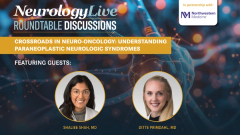
This clinical video series, titled “Crossroads in Neuro-Oncology: Understanding Paraneoplastic Neurologic Syndromes,” is a NeurologyLive® Roundtable Discussion focused on the recognition and management of paraneoplastic neurologic syndromes (PNS) in patients with cancer. These immune mediated neurologic disorders can present across the cancer continuum and may cause rapid functional decline, underscoring the importance of early identification, appropriate diagnostic evaluation, and coordinated multidisciplinary care.

Episode Guide

  • Episode 1: Overview
  • Episode 2: Patient Screening
  • Episode 3: Immunotherapies
  • Episode 4: Chemotherapy
  • Episode 5: Management
  • Episode 6: Outlook on PNS

In collaboration with Northwestern Medicine, neuro-oncology experts Shailee Samir Shah, MD, clinical assistant professor of neurology, and Ditte Primdahl, MD, assistant professor of neurology, joined host Jax DiEugenio to provide a clinical overview of PNS. The discussion covered real-world presentation patterns, diagnostic considerations, screening protocols, and patient selection criteria. The experts also evaluate modern therapeutic interventions and practical management strategies while exploring the evolving treatment landscape for PNS.

In this first episode, Shah and Primdahl distinguished PNS from other cancer-associated neurologic complications by highlighting their immune-mediated biology and diagnostic complexity. The duo then outlined how these syndromes intersect with systemic treatment decisions and explained why early neuro-oncology involvement may be critical for timely management. The experts also identified common diagnostic pitfalls in patients with active malignancy, establishing a framework for the case-driven discussions that follow throughout this video series.
Click here to watch more episodes of this video series.


Latest CME