The professor of neurology at the University of Lyon and 2026 Rachel Horne Prize Winner discussed pregnancy counseling, therapeutic inertia, and overlooked women's health issues in multiple sclerosis.

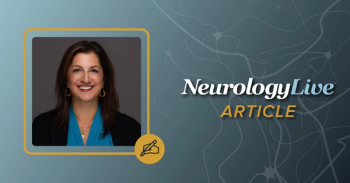
The nurse practitioner at the University of Miami and the president of the IOMSN shared their thoughts on the unique demands of nursing in neurology, with a particular focus on their experience in multiple sclerosis nursing. [WATCH TIME: 6 minutes]
WATCH TIME: 6 minutes | Captions are auto-generated and may contain errors.
"I think nurses are the glue that holds us together when it comes to the providers seeing the patients, the patients, and the nursing team because they're the ones that really pick up sometimes on these really important details when they're getting history or they’re triaging a call."
In honor of National Nurses Week, held from May 6 to May 12, 2026, NeurologyLive® reached out to Jeffrey Hernandez, DNP, APRN, a nurse practitioner in the division of Multiple Sclerosis at the University of Miami, and Bonnie Blain, RN, the president of the International Organization of Multiple Sclerosis Nurses (IOMSN), to get their insight on the role of nurses in neurology care. Hernandez and Blain discussed the distinctive demands of nursing in neurology, with a particular focus on multiple sclerosis (MS) and other chronic neurological conditions.
Both clinicians emphasized that neurological nursing is set apart from other specialties by the chronicity and complexity of the conditions involved, as well as the deeply personal nature of the patient experience. Hernandez and Blain highlighted that neurological nurses are not only managing medications and monitoring symptoms, but are also supporting patients through changes in mobility, cognition, independence, and identity, often over the course of a lifelong patient-provider relationship.
On the qualities most critical to effective neurology nursing, Hernandez placed communication and empathy at the top, noting the importance of pacing information delivery appropriately for patients who may be newly diagnosed, acutely stressed, or processing significant life changes. Blain added that attentive, patient-centered listening is among the most important clinical skills a nurse can bring to the care team, arguing that it enables early identification of subtle symptom changes and informs timely clinical decision-making, including triage of potential relapses. Regarding good relationships between neurologists and nurses, both Blain and Hernandez converged on mutual respect, open communication, and alignment of clinical messaging as foundational elements.