Now Playing
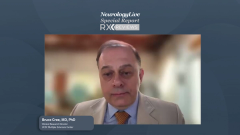
Neuroimmunologist Bruce Cree, MD, provides a detailed overview of ublituximab as an anti-CD20 therapy, including its mechanism of B-cell depletion, differentiation from other agents in the class, and the clinical trial pathway that led to its approval in relapsing MS.
This sponsored special report explores the long-term clinical profile of ublituximab in relapsing multiple sclerosis, with a focus on the 5-year data from the ULTIMATE open-label extension. Through expert discussion, the series examines how sustained efficacy, safety outcomes, and real-world experience are shaping the role of anti-CD20 therapies in modern MS care.
Understanding where a therapy fits in clinical practice begins with its mechanism and the evidence that supported its approval. In this opening segment, Bruce Cree, MD, PhD, clinical research director at the UCSF Multiple Sclerosis Center, provides an overview of ublituximab within the broader landscape of B-cell–depleting therapies used in relapsing multiple sclerosis.
Cree outlines how ublituximab distinguishes itself mechanistically through enhanced antibody-dependent cellular cytotoxicity, as well as key features of its clinical development program, including the ULTIMATE I and II trials. The discussion also touches on practical considerations such as dosing, infusion time, and tolerability, offering context for how the therapy is currently being utilized in clinical settings.