

Conference Coverage
Latest News
Feb 10, 2026 | Commentary
Interpreting the DAWN Trial: Where Anti-CD38 Therapy May Fit in NMOSD Care

REGENXBIO's MPS II Gene Therapy RGX-121 Hit With CRL
Feb 09, 2026
International Epilepsy Day 2026: Highlighting Gaps in Pediatric Care, Stigma, and Education
Feb 09, 2026

AGNOS Study Results Demonstrate Ofatumumab’s Impact on Neurofilament Light, GFAP
Feb 09, 2026
This Week on NeurologyLive® — February 9, 2026
Feb 09, 2026




Advertisement
Shorts
1:33
ACTRIMS 2026: Clinical Perspectives
17 hours ago
by
Daniel Ontaneda, MD, PhD(+1 more)
1:02
Exploring the Mechanisms of Bazedoxifene Acetate (BZA)
17 hours ago
by
Louie Pasculli(+1 more)

2:04
Building Pediatric Neurology Rapport Through Spanish
5 days ago
by
Isabella Ciccone, MPH(+1 more)

1:22
Neurological Exam in Spanish for Culturally Competent Care
6 days ago
by
Anne Francine Pino(+1 more)
2:08
Mentoring to Expand the Child Neurology Workforce
8 days ago
by
Adam Wallace, MD(+1 more)
2:06
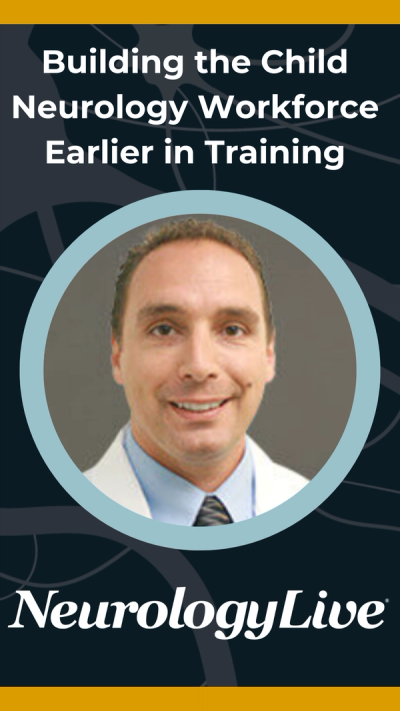
Building the Child Neurology Workforce Earlier in Training
8 days ago
by
John Pugh, MD, PhD(+1 more)

1:29
Improving Equitable Care Access in Child Neurology
9 days ago
by
Jordan Cole, MD(+1 more)

1:34
Responsible and Inclusive Clinical Research Practices
10 days ago
by
Jennifer Yang, MD(+1 more)

1:30
Representation in Pediatric Neurology Research
11 days ago
by
Senyene Hunter, MD, PhD(+1 more)

1:18
Integrating Social Determinants of Health in Research
11 days ago
by
Marisela Dy-Hollins, MD (+1 more)
Coverage of 2025 AES Annual Meeting
Get direct access to interviews with experts, as well as the latest data and clinical news updates, straight from the conference floor in Atlanta, Georgia

Coverage of the ACTRIMS Forum 2026
Get direct access to interviews with experts, as well as the latest data and clinical news updates, straight from the conference floor in San Diego, California.

Mind Moments Podcast
Mind Moments® is a biweekly podcast from NeurologyLive that brings you exclusive interviews with expert neurologists and clinicians.

NeuroVoices
NeuroVoices is NeurologyLive's series of in-depth, exclusive Q&A conversations with a variety of experts in the care and management of patients with neurologic diseases about topics in clinical care and therapeutic development.
Gold Standard Centers
Gold Standard Centers is our deep dive feature series on examples of institutional success in neurologic medicine, highlighting the centers that are leading the way in care.

Videos





Podcasts

Continuing Medical Education






Advertisement
All News
Advertisement

Ultragenyx seeks FDA accelerated approval for UX111 gene therapy in Sanfilippo syndrome, citing neurologic benefit and the use of cerebral spinal fluid heparan sulfate data.

The single-arm CLAD-MAPET study is evaluating whether cladribine tablets reduce microglial activation, captured by [F-18]PBR06-PET, in patients with MS experiencing progression without relapse or MRI activity on anti-CD20 therapy.

A real-world study showed that cladribine tablets were associated with greater treatment persistence and lower health care costs in patients with multiple sclerosis compared with other common therapies.

A new comparison study of patients with autoimmune diseases reported high rates of anxiety and depression, with notable differences in when psychiatric symptoms emerged relative to disease onset.

Take 5 minutes to catch up on NeurologyLive®'s highlights from the week ending February 6, 2026.
A phase 3b study presented at ACTRIMS 2026 is evaluating whether switching to remibrutinib offers efficacy and safety comparable to continued ocrelizumab treatment in relapsing multiple sclerosis.

Findings from a phase 1 study indicated that Lucid-21-302 was generally well tolerated and exhibited dose-proportional exposure, warranting additional study in a phase 2 trial for multiple sclerosis.
New phase 3 FREXCITE trial tests frexalimab CD40L inhibitor in nrSPMS, comparing on-body subcutaneous vs IV dosing

The analysis included 280 patients from CLARIFY-MS extension and 219 patients from MAGNIFY-MS extension, a total of 499 patients with at least 4 years of follow-up.

A cohort analysis, presented at ACTRIMS 2026, provided insight into the clinical characteristics, disease burden, and treatment sequencing of patients with neuromyelitis optica spectrum disorder treated with inebilizumab.
Advertisement

Real-world phase 4 data show cladribine keeps relapse rates low and safety steady in relapsing MS patients, including those 65+.

FASTEST finds rFVIIa curbs ICH bleeding fast but adds clot risk; ultra-early and spot-sign patients show promise as Part 2 continues.
Adding intra-arterial alteplase after successful endovascular thrombectomy significantly improved 90-day functional outcomes in patients with large-vessel acute ischemic stroke, according to late-breaking data from the phase 3 CHOICE2 trial.
Late-breaking data from a substudy of the CREST-2 trial revealed that carotid revascularization did not show greater improvements in cognitive function compared with intensive medical management.

Newly reported data showed that oral valiltramiprosate lowers p-tau217 and links to cognitive and brain-volume benefits in early Alzheimer disease.
Advertisement
Advertisement
Trending on NeurologyLive - Clinical Neurology News and Neurology Expert Insights
1
REGENXBIO's MPS II Gene Therapy RGX-121 Hit With CRL
2
Cladribine Tablets Reduce Treatment Switches, Outpatient Visits, and Health Care Costs in Multiple Sclerosis
3
Rethinking Multiple Sclerosis Clinical Course Classifications in the Modern Era: Daniel Ontaneda, MD, PhD
4
Phase 3b RESHAPE Study Evaluates Risk–Benefit of Switching From Ocrelizumab to BTK Inhibitor Remibrutinib
5