


Epilepsy
Latest News
Advertisement
Latest Videos
CME Content









Advertisement
More News

Neal K. Shah talked about an artificial intelligence innovation that can be used to fight denied health insurance claims, thus improving revenue cycle management for physicians' practices and the patient experience.
Take 5 minutes to catch up on NeurologyLive®'s highlights from the week ending January 31, 2024.
The medical director of the Arkansas Children’s Comprehensive Epilepsy Program detailed advancements and strategies in using neuromodulation for LGS, as well as the future research needed to expand these approaches. [WATCH TIME: 4 minutes]
Explore some of the most highly anticipated clinical trials with data readouts expected in the second half of 2025—key updates that researchers and clinicians in neurology won’t want to miss.
A duo of experts discussed the importance of addressing barriers such as provider comfort, access to genetic counselors, and insurance coverage to reduce diagnostic latency and standardize genetic testing for epilepsy. [WATCH TIME: 5 minutes]
The medical director of the Arkansas Children’s Comprehensive Epilepsy Program discussed the complications associated with neurostimulation in patients with LGS and strategies to mitigate these issues. [WATCH TIME: 2 minutes]

Here's some of what is coming soon to NeurologyLive® this week.
Pediatric epilepsy specialists Adam Numis, MD, and Laura Kirkpatrick, MD, highlighted efforts to standardize data collection for pediatric epilepsy health equity and improve neonatal epilepsy outcomes.
Take 5 minutes to catch up on NeurologyLive®'s highlights from the week ending January 24, 2024.
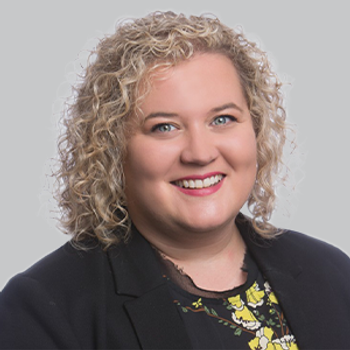
Jessica Nickrand, PhD, and Allyson Eyermann from the Child Neurology Foundation emphasized the importance of multidisciplinary collaboration for children with epilepsy and their families.
Mind Moments®, a podcast from NeurologyLive®, brings you an exclusive interview with Depobam Samanta, MD, MS, FAAP, FAES. [LISTEN TIME: 25 minutes]
The medical director of the Arkansas Children’s Comprehensive Epilepsy Program provided commentary on patient selection and personalized treatment approaches when using neuromodulation devices for Lennox-Gastaut syndrome. [WATCH TIME: 3 minutes]
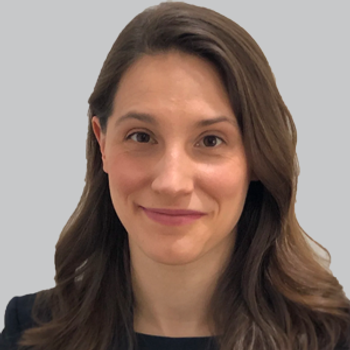
Leah Blank, MD, an assistant professor of neurology, population health, science, and policy at the Icahn School of Medicine provided commentary on some of the experience and positive movement from the 2024 American Epilepsy Society Annual Meeting.
Take a look at some of the most-anticipated FDA pending approvals expected in 2025 that researchers and clinicians in neurology should keep an eye out on.
The professor of neurology at NYU Grossman School of Medicine talked about using responsive neurostimulators to seek shortened drug evaluation timelines and enhance epilepsy treatment.
Here's some of what is coming soon to NeurologyLive® this week.
Test your neurology knowledge with NeurologyLive®'s weekly quiz series, featuring questions on a variety of clinical and historical neurology topics. This week's topic is on tuberous sclerosis complex (TSC).
FDA Accepts NDA for Lecanemab Subcutaneous Autoinjector, RAP-219 Shows Promise in Early Trials, Blarcamesine Treatment Effects Observed at 3 Years
Published: | Updated:
Neurology News Network. for the week ending January 18, 2025. [WATCH TIME: 4 minutes]
Take 5 minutes to catch up on NeurologyLive®'s highlights from the week ending January 17, 2024.
The chief medical officer at Stoke Therapeutics discussed recent developments for zorevunersen, including the significance of breakthrough therapy designation and its plan for a phase 3 trial. [WATCH TIME: 5 minutes]

James Wheless, MD, FAAP, FAAN, FAES, Le Bonheur Chair in Pediatric Neurology at the University of Tennessee Health Science Center, shared insights on his presentation from AES 2024, focusing on stiripentol, an FDA-approved treatment for Dravet syndrome.
Here's some of what is coming soon to NeurologyLive® this week.
An ongoing phase 2a study of RAP-219 involves adult patients with drug-resistant epilepsy who have an implanted responsive neurostimulation (RNS) device, allowing for real-time monitoring of intracranial EEG data.
NeurologyLive® will provide in-depth coverage of conferences in 2025, highlighting advancements in diagnostics, treatments, and multidisciplinary care across multiple neurological conditions.
Anti-Tau Therapy Posdinemab Gets Fast Track, Gene Therapy SGT-212 to Enter Friedreich Ataxia Trial, Zorevunersen Eyes Phase 3 Trial of Dravet
Published: | Updated:
Neurology News Network. for the week ending January 11, 2025. [WATCH TIME: 4 minutes]
Advertisement
Advertisement
Trending on NeurologyLive - Clinical Neurology News and Neurology Expert Insights
1
Remibrutinib Lowers Relapse Rate vs Teriflunomide in Relapsing MS
2
FDA Accepts Troriluzole NDA Resubmission for Spinocerebellar Ataxia
3
Phase 2 ACUITY Analysis Shows Privosegtor Associated With Smaller Early NfL and GFAP Increases in Acute Optic Neuritis
4
Investigating the Genetic Link Between EBV and MS Risk: David A. Hafler, MD, FANA; Yoshiaki Yasumizu, MD, PhD
5