


Epilepsy
Latest News

Advertisement
Latest Videos
CME Content













Advertisement
More News
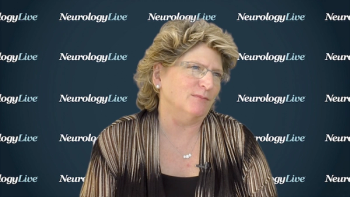
The director of pediatric epilepsy and the Herscot Center for Tuberous Sclerosis Complex at Massachusetts General Hospital, and professor of neurology at Harvard Medical School spoke to the safety outcomes from GWPCARE6 and CBD’s low-dose efficacy.

Study findings suggest that the presence of hypsarrhythmia—abnormal, chaotic brainwave patterns—may play a role in the risk of autism spectrum disorder in patients with a history of infantile spasms.
The medical director of the Comprehensive Epilepsy Clinic at Nicklaus Children’s Hospital discussed the advantages of intranasal diazepam over traditional midazolam and rectal diazepam.

Data suggests that treatment with cannabidiol is associated with other benefits besides a decrease in seizure frequency.
The assistant professor of psychology at East Carolina University offered insight about the resources are available to physicians and providers and what techniques can be useful to help patients have a better quality of life in light of refractory and uncontrolled seizures.
Adjunctive cenobamate demonstrated a good tolerability and safety profile, as well as sustained efficacy, in patients with uncontrolled focal seizures.

In a PROVE study subgroup of adolescent patients exposed to perampanel over a 2-year period, the Eisai product proved to be well-tolerated and efficacious, with good retention rates.
The director of epilepsy surgery and associate professor of neurosurgery at UC Irvine spoke about the consequences of patients choosing to forgo beneficial surgery and the importance of communication between surgeon and epileptologist.

Interim analysis of a 5-year, post-approval study of the NeuroPace Responsive Neurostimulation system support prior findings that the device is safe and effective in reducing medically intractable focal seizures in adults.

Fenfluramine oral solution is currently being evaluated by the FDA for the treatment of seizures associated with Dravet syndrome.

A single-center study of more than 3600 virtual visits displayed a high level of satisfaction from patients regarding their experience with telemedicine and their providers, suggesting the practice may be ready for large-scale use.

Patients treated with intranasal midazolam who were on enzyme-inducing AEDs experienced numerically lower treatment-emergent adverse events.

The director of epilepsy surgery and associate professor of neurosurgery at UC Irvine discussed the challenges he has encountered in getting patients with epilepsy to undergo beneficial procedures, often due to misinformation.
The director of pediatric epilepsy and the Herscot Center for Tuberous Sclerosis Complex at Massachusetts General Hospital, and professor of neurology at Harvard Medical School discussed the findings of the GWPCARE6 trial of cannabidiol.

The American Epilepsy Society recognized several members from its clinical and research communities for their outstanding contributions to the field of epilepsy.

Despite evidence of the benefits and safety of breastfeeding in women with epilepsy, 2 studies suggest this population breastfeeds significantly less often than women without epilepsy, due to fears of drug exposure or recommendations against the practice.

An analysis of 2 different doses of intranasal diazepam showed consistent safety and tolerability results for repeat dosing

The professor and chief of pediatric neurology, and director of the comprehensive epilepsy program and neuroscience institute at Le Bonheur Children’s Hospital offered insight into his experience with midazolam and its potential to play a vital role in treating seizure clusters.

Patients who were treated with cannabidiol 25 mg or 50 mg experienced seizure reductions of 49% and 48%, respectively, nearly double that of the placebo group, which experienced reductions of 27%.

Neurology News Network for the week ending December 7, 2019.

Although there are gaps in knowledge, investigators see potential in telemedicine for other neurologic disorders beyond stroke.

Fenfluramine reduced monthly convulsive seizure frequency by 54% compared with placebo in patients on medication regimens including stiripentol, with a significant proportion of those experiencing a meaningful or profound reduction.
The drug was proven to be efficacious and generally well tolerated in adults with newly diagnosed epilepsy.

This would be the first available oral suspension of lamotrigine, offering a key new delivery option with an easily manageable dose for patients with epilepsy.
NeurologyLive will be providing live coverage of AES 2019 from Baltimore beginning Saturday, December 7.
Advertisement
Advertisement
Trending on NeurologyLive - Clinical Neurology News and Neurology Expert Insights
1
Solengepras Meets Primary Endpoint in Phase 3 ARISE Trial of Parkinson Disease
2
CSF Biomarkers Identify Shared LRRK2 Pathway Activation in Sporadic and LRRK2-Associated Parkinson Disease
3
Advanced Therapies in Parkinson Disease: Matching the Right Treatment to the Right Patient
4
Frontotemporal Dementia Diagnosis, Head Impacts, and Emerging Treatment Approaches
5