










The section chief of pediatric neurology at Nationwide Children’s Hospital discussed cannabidiol's potential in the Lennox-Gastaut syndrome space.
The section chief of pediatric neurology at Nationwide Children’s Hospital discussed cannabidiol's potential in the Lennox-Gastaut syndrome space.

The Director of the Stanford Epilepsy Center discussed the work that’s left to be done in the field of epilepsy.

The instructor in neurology at Beth Israel Deaconess Medical Center spoke about what clinicians can do right now to mitigate the risk of SUDEP and the myriad of options for them to utilize.
The SVP and chief strategy and development officer at Aquestive Therapeutics discussed the hope to provide both patients and providers with a more favorable, and still efficacious, option for seizure clusters.
Recent data has shown that a start low, go slow approach with cenobamate may mitigate the risk of drug reaction with eosinophilia and systemic symptoms syndrome.
The Director of the UCLA Seizure Disorder Center explained the importance of referring patients with seizures to epilepsy centers.
The largest and longest prospective neuromodulation trial in the field of epilepsy showed about a 75% response rate with patients achieving at least a 50% reduction in seizures.
The Director of the Stanford Epilepsy Center discussed the current activities of epileptologists and considered how this might change in the near future, given advancing technology.
The associate professor of neurology at the University of Rochester shared some of her advice for treating patients with epilepsy and focusing on the patient.
The director of the Epilepsy Program at Children’s Hospital of Philadelphia spoke about the long-awaited advancement brought on by cannabidiol for Dravet syndrome.
This novel dosage form of diazepam had comparable times to maximal concentration in both 2-hour and 4-hour timeframes.
The section chief of pediatric neurology at Nationwide Children’s Hospital and an associate professor of clinical pediatrics and neurology at The Ohio State University College of Medicine spoke about what the findings mean for patients.
The recently approved therapy remained generally well tolerated and improvements in overall condition in Subject/Caregiver Global Impression of Change scores.
Neurology News Network for the week of November 10, 2018.
Cognitive complaints remain a major issue for patients with epilepsy, leading the epileptologist at the University of Pennsylvania to share her insight into addressing them.
The clinical professor in pediatric neurology and director of regional neurology services at Children's Hospital Colorado shared her thoughts on why epilepsy is the perfect paradigm to implement telemedicine.
This is the first oral film formulation of clobazam approved, highlighting the challenge of medication administration in patients with LGS, who often struggle due to physical, behavioral, or cognitive impacts.
The epileptologist discussed this challenge, and shared her thoughts on how to maintain this communication.

The approval and immediate launch of the product in both tablet and oral suspension offer a generic alternative to Onfi.
The assistant professor of neurology at the University of Pennsylvania discussed the complication of cognitive issues faced by patients with epilepsy, and how these are being addressed in the clinic.
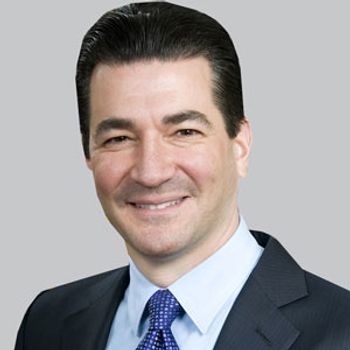
Cannabinoids are being explored in a variety of conditions, ranging from Alzheimer disease to migraine.
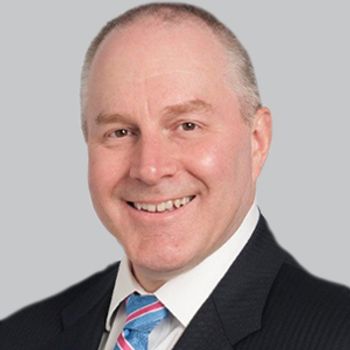
The medical director of digital health at Cleveland Clinic spoke about the role telehealth plays in a society where technology constantly advances and changes.

Because automobiles are such an important aspect of our culture, driving restriction is an enormous problem for many of the 65 million individuals with epilepsy worldwide and their families.
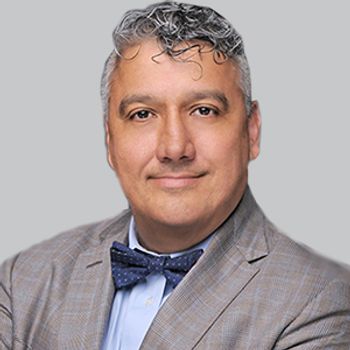
The pediatric neurologist discussed the importance of the recent FDA approval of perampanel in pediatrics with partial-onset seizures with or without secondarily generalized seizures.
Digital medicine is used to increase access for rural and underserved areas, allowing for the delivery of patient care, patient monitoring and specialist consultations.