



Movement Disorders
Latest News

Deutetrabenazine Among Notable Drugs Selected by Medicare to Lower Prescription Costs for Seniors
By Marco Meglio
Advertisement
Latest Videos





CME Content










Advertisement
More News
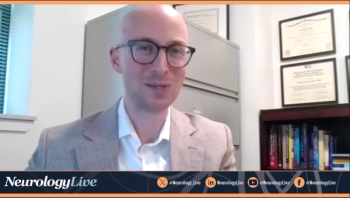
The neurointensivist and assistant professor of neurology at Boston Medical Center provided insight on a 2024 paper that defined consensus entrustable professional activities for neurocritical care advanced practice providers. [WATCH TIME: 5 minutes]
Take a look at some of the most-anticipated FDA pending approvals expected in 2025 that researchers and clinicians in neurology should keep an eye out on.
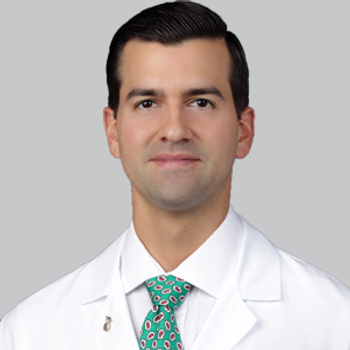
Robert Rothrock, MD, a spinal neurosurgeon at Baptist Health Miami Neuroscience Institute, provided commentary on key topics in spine health amid the 2025 Baptist Health Spine Symposium.

The professor and chair of the Department of Molecular Pathobiology at NYU College of Dentistry discussed how a recently published preclinical study adds to the understanding of neuropilin-1 in chronic pain. [WATCH TIME: 3 minutes]

Adaptive DBS dynamically adjusts stimulation based on patient brain activity, improving therapy customization and motor symptom management in real-time.

The newly announced sham surgery-controlled trial will include 102 patients with moderate PD testing several end points, such as change in ON-time without troublesome dyskinesia, over a 78-week period.

The professor and chair of the Department of Molecular Pathobiology at NYU College of Dentistry discussed groundbreaking research on chronic pain, focusing on the discovery of new mechanisms involving nerve growth factor and its receptors.

NeurologyLive® will provide in-depth coverage of conferences in 2025, highlighting advancements in diagnostics, treatments, and multidisciplinary care across multiple neurological conditions.
The professor and chair of the Department of Molecular Pathobiology at NYU College of Dentistry provided a clinical overview of preclinical research identifying a new receptor for nerve growth factor that plays an important role in pain signaling. [WATCH TIME: 4 minutes]

Mind Moments®, a podcast from NeurologyLive®, brings you an exclusive interview with Russell Lebovitz, MD, PhD. [LISTEN TIME: 22 minutes]
Catch up on any of the neurology news headlines you may have missed over the course of December 2024, compiled all into one place by the NeurologyLive® team.
As part of NeurologyLive®'s Year in Review, we've compiled the most-watched expert-led video series that appeared on the website in 2024.
As part of NeurologyLive®'s Year in Review, we've compiled the most-listened episodes of our biweekly podcast, Mind Moments®.
As part of NeurologyLive®'s Year in Review, we've compiled the most-watched interview clips that appeared on the website in 2024.
As part of NeurologyLive®'s Year in Review, take a look at our most-read news in movement disorders in 2024.
Mind Moments®, a podcast from NeurologyLive®, brings you a review of 2024, with insights from Daniel Ontaneda, MD, PhD; Ian Kremer; Andy Berkowski, MD, PhD; Sameea Husain-Wilson, DO; Jonathan Parker, MD, PhD; and Lawrence Robinson, MD. [LISTEN TIME: 25 minutes]
As part of NeurologyLive®'s Year in Review, we've compiled the top coverage stories from 2024 across a variety of different neurological conferences the team either attended or covered virtually.
As part of NeurologyLive®'s Year in Review, we've compiled the most-read feature-length stories that appeared on the website in 2024.

Since the Syn-One Test only needs a small punch skin biopsy that can be collected in an office setting, the clinical utility can be enhanced to offer more geographically convenient access for patients earlier in the disease.

Although the primary goal was not met, prasinezumab demonstrated encouraging effects on secondary and exploratory measures, such as time to worsening motor function, Clinical Global Impression of Change, MDS-UPDRS motor scores.

The chief executive officer and cofounder of Amprion provided clinical insight on the novelty behind the company’s synuclein seed amplification assay and how it may better differentiate synucleinopathies diseases like MSA. [WATCH TIME: 8 minutes]

The FDA has agreed that a scale used in ongoing phase 1/2 clinical trials could potentially serve as an intermediate clinical end point for accelerated approval pathway for uniQure’s investigational gene therapy AMT-130.

AbbVie recently announced that it is on track to submit the new drug application for its investigational Parkinson disease agent tavapadon to the FDA in 2025.

BIIB122 is a selective, central nervous system-penetrant small molecule that could potentially improve lysosomal dysfunction among patients with LRRK2-associated Parkinson disease.

Factors like education level, hypertension, diabetes, and depression did not significantly predict epilepsy risk in patients with dementia.
Advertisement
Advertisement
Trending on NeurologyLive - Clinical Neurology News and Neurology Expert Insights
1
Remibrutinib Lowers Relapse Rate vs Teriflunomide in Relapsing MS
2
FDA Accepts Troriluzole NDA Resubmission for Spinocerebellar Ataxia
3
Tenecteplase Benefit Before Thrombectomy Varies by Stroke Cause, Study Shows
4
Early Data Show Dual-Targeting CAR-T Agent CTA313 Stabilizes Progressive Multiple Sclerosis
5