
















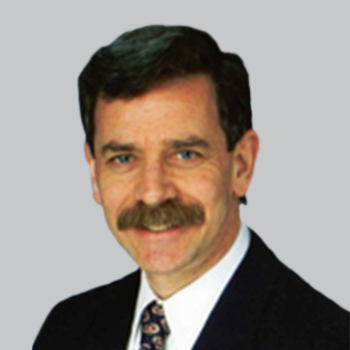
The professor emeritus of psychiatry at the University of Pennsylvania’s Perelman School of Medicine spoke about the condition and the available therapies, as well as some of the needs that remain unmet.
The professor emeritus of psychiatry at the University of Pennsylvania’s Perelman School of Medicine spoke about the condition and the available therapies, as well as some of the needs that remain unmet.
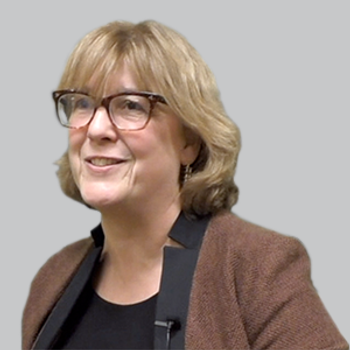
The associate professor of neurology and neuroscience at Weill Cornell Medicine spoke about the history of cell therapies for Parkinson disease and how it’s informing current work.
The Pediatric Movement Disorders Neurologist at UT Southwestern recommends that when encountering a patient with a movement disorder to organize your thought process in 3 steps.
The associate professor of neurology and neuroscience at Weill Cornell Medicine discussed this work, and what she and her colleagues believe could be addressed by a successful effort.

Customizing injection sites and amounts of botulinum toxin for different presentations of essential hand tremor has been shown to avoid hand weakness.
Neurology News Network for the week of Oct. 27, 2018.
A phase 2 trial demonstrating a PDE-10A inhibitor to be safe but not efficacious for Huntington disease could be followed with the testing of a higher dose.

Despite some mistrusting the abilities of imaging to aid in therapeutic development, a new MRI method could better inform the anatomical understanding of the striatum.
Botulinum toxin was found to improve restless leg syndrome in the largest, well-controlled study of the investigational intervention to date.
New brain stimulation technology is proven effective for Parkinson in the first double-blind, sham-controlled trial of this type of intervention.
ITI-214 showed favorable safety with early signs of improvement in motor symptoms for patients with Parkinson disease
The director of the Center of Neurogenetics at Weill Cornell Medicine spoke about the wealth of improvements that have really turned this area of medicine into a much more hopeful one.
VY-AADC01 demonstrated promising early signs of activity and safety for patients with Parkinson disease.
Henchcliffe discussed the progress that has been made in this area, and where things are headed going forward.
The director of the Pediatric Movement Disorders Program at UT Southwestern spoke about the ability of advanced imaging to help better understand the causes of disease.
Neurology News Network for the week of October 20, 2018.

Stem cell tourism is a global problem. The top three conditions marketed by such clinics are MS, PD, and stroke-often peddling false hope to patients who are vulnerable, desperately searching for a cure.
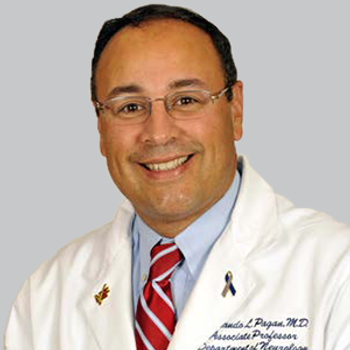
Several agents are currently in development geared at the relief of off-time for patients with Parkinson.
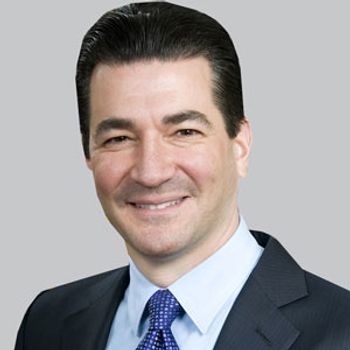
Cannabinoids are being explored in a variety of conditions, ranging from Alzheimer disease to migraine.
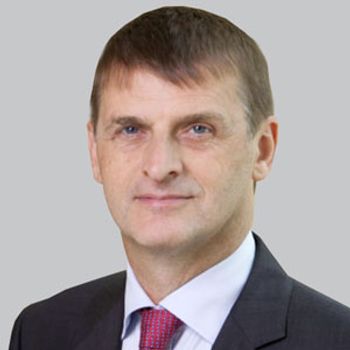
IncobotulinumtoxinA significantly reduced unstimulated salivary flow rate for patients with sialorrhea.
Neurology News Network for the week of October 6, 2018.
The results suggest that early use of donepezil may be efficacious against cognitive decline but not for the prophylaxis of psychosis.
When physicians can’t rid patients of their disease, it’s important to remember that they can still help patients live well with it.
Almost 45% of those who received an antidementia treatment experienced the never event of co-administration of a high-potency anticholinergic medication and an acetylcholinesterase inhibitor.
Neurology News Network for the week of September 28, 2018.