















Preclinical findings show the potential of samelisant, a potent and orally active Histamine H3 receptor inverse agonist, as a potential treatment for patients with Parkinson disease who experience excessive daytime sleepiness.
Preclinical findings show the potential of samelisant, a potent and orally active Histamine H3 receptor inverse agonist, as a potential treatment for patients with Parkinson disease who experience excessive daytime sleepiness.
The chief medical officer of Harmony Biosciences provided perspective on a proof-of-concept study assessing pitolisant’s (Wakix) clinical benefit in reducing excessive daytime sleepiness individuals with Prader-Willi syndrome.
The pediatric neurologist and sleep medicine specialist at Geisinger Medical Center provided commentary on the current unmet needs for patients with narcolepsy, including improvements in treatment options. [WATCH TIME: 3 minutes]

Nearly all patients showed improvement on the Patient Global Impression of Change scale, regardless of sleep inertia status, assessed through a visual analog scale.

Following 13 weeks of treatment with once-nightly sodium oxybate, some patients in the 7.5 g and 9.0 g groups showed complete resolution of cataplexy attacks.
The medical director of SleepMed in South Carolina discussed the need for more overall awareness of poor sleep and the risk factors associated with worsened heart health. [WATCH TIME: 3 minutes]

Pitolisant, a therapy approved for patients with narcolepsy, is currently being assessed in 200 individuals with idiopathic hypersomnia, with change in excessive daytime sleepiness as the primary outcome.

Alternative multiple sleep latency test parameters was found to be a better identification method for recognizing hypocretin-deficiency among patients with hypersomnolence and narcolepsy.

Findings showed that pediatric patients with narcolepsy who have had at least 2 components of metabolic syndrome may be at higher risk of future complications.

The medical director of SleepMed in South Carolina provided perspective on the importance of understanding the link between sleep disorders, poor sleep, and heart health. [2 minutes]
Although it has the same ingredients as previously approved Xyrem, extended-release sodium oxybate is a medication taken once-nightly instead of twice-nightly.
The cofounder and chief product development officer of Zevra Therapeutics talked about the phase 1 clinical trial of KP1077 for narcolepsy and potentially using it to treat other conditions. [WATCH TIME: 5 minutes]

Resilience was positively correlated with quality of life in patients with narcolepsy type 1, according to a recent published study.

Incidence of narcolepsy increased 4.17- and 1.42-fold during and after the 2009 H1N1 pandemic when compared with baseline.

Evidence from a nationwide healthcare system data in South Korea showed that narcolepsy is closely related to systemic autoimmune diseases, particularly those related to HLA genes.
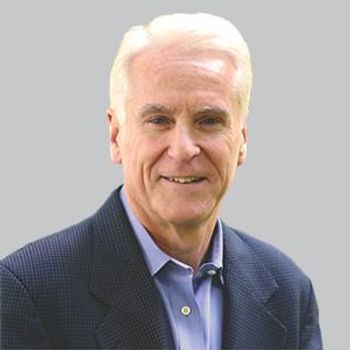
Pitolisant will be assessed in 200 patients with idiopathic hypersomnia, using change in excessive daytime sleepiness as the primary end point.

Pitolisant, marketed as Wakix, recently received approval from the European Medicines Agency for pediatric narcolepsy with or without cataplexy.

Over a 6-month open-label extension period, mazindol ER was found to be safe, with patients demonstrating significant decreases in number of weekly cataplexy episodes and improvements in daytime sleepiness.
Pitolisant, a selective histamine H3 receptor inverse agonist, reduced the frequency of cataplexy in pediatric patients with narcolepsy.

In a phase 3 study, extended-release sodium oxybate demonstrated statistically significant and clinically meaningful results in excessive daytime sleepiness, clinician’s assessment of patient’s functioning, and reduction in cataplexy attacks.

An evaluation on the long-term treatment profile of sodium oxybate on pediatrics with narcolepsy revealed a safety profile similar to previous adult studies and identified no unexpected safety concerns.

The assistant professor of pediatrics at Harvard Medical School provided perspective on the care needs of adolescents and young adults with narcolepsy, and the importance of early detection of lingering issues. [WATCH TIME: 3 minutes]

Results of solriamfetol were similar when outcomes were examined in subgroups of concomitant antidepressant use, regardless of depression history, indicating that antidepressants did not affect the efficacy of the drug.
Mind Moments®, a podcast from NeurologyLive®, brings you an exclusive interview with Eric Zhou. [LISTEN TIME: 14 minutes]

Anne Marie Morse, DO, a pediatric neurologist and sleep medicine specialist at Geisinger Medical Center, talked about the challenges that adolescents with narcolepsy face in their social relationships.