











Neurology News Network for the week of February 14, 2019.
Neurology News Network for the week of February 14, 2019.

At the final follow-up at an average of 20 months, remission was present in 42.9% of the 56 patients included, and an additional 25% had minimal manifestations or better as measured by the Myasthenia Gravis Foundation of America-Postintervention Status.

The director of the mitochondrial research program at Akron Children’s Hospital spoke about how to best manage a condition such as PMM, where there are no FDA-approved therapies.

The study provided Class I evidence that the ALSDI can help the confirmation and diagnosis of ALS and its mimicking conditions at the earliest stages of the disease, when therapeutic efforts are most efficacious.

The microdystrophin gene transfer therapy from Solid Biosciences has shown protein expression in the first 3 patients dosed. As a result, the company is expediting the planned dose-escalating activities.
The professor of pediatrics at Northeast Ohio Medical University and the director of the NeuroDevelopmental Science Center at Akron Children’s Hospital provided insight into the therapeutic landscape of PMM.
A phase 3 trial of the therapy is ongoing after a number of positive signs from earlier assessments. Thus far, the tetrapeptide has shown potential to become the first treatment for PMM.
Neurology News Network for the week of February 2, 2019.

Approximately 60% of the patients with ALS are already excluded from clinical trial participation at the day of diagnosis, but investigators think that 60% is an underestimate.

CAP-1002 is the only therapy to show reduction in myocardium scar and an improvement of localized cardiac function in late-stage Duchenne accompanied cardiomyopathy.
Neurology News Network for the week of January 26, 2019.
The novel myeloperoxidase inhibitor was previously licensed by AstraZeneca, but its development has since been taken over by Biohaven, which received IND acceptance from the FDA.

The regulatory agency has informed Cytokinetics that the use of the 6-minute walk test will be an acceptable efficacy outcome measure for the skeletal muscle troponin activator.
The agency is anticipating upward of 200 INDs per year by 2020 and between 10 and 20 cell and gene therapy approvals per year by 2025.
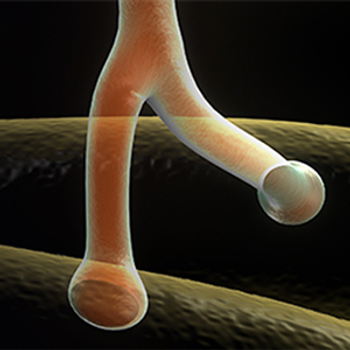
A small trial has suggested that patients with myasthenia gravis and dysphagia are not properly assessed by the common clinical scales for these swallowing problems and their risk of silent aspiration.

The AAN position statement author further addressed the opposing position of the Nevada law, the AAN’s position on brain death, and what clinicians need to know in regard to determining it.

The MuSK antibody positive myasthenia gravis treatment met both co-primary end points as well as a number of secondary end points, showing promise despite a small sample size.

The trial of the investigational Duchenne muscular dystrophy treatment is the first clinical protocol selected for the FDA's complex innovative trial design pilot program.
The Chair of the AAN’s Ethics, Law and Humanities Committee spoke to the American Academy of Neurology’s goal to improve the consistency of determining brain death.

The Clinical Director of the NHGRI spoke about the impact of the NIH program and its future development.
This guide includes everything you need to know about subcutaneous immunoglobulin (Hizentra, CSL Behring) in the treatment of chronic inflammatory demyelinating polyneuropathy as well as primary immunodeficiency.
The position statement’s author noted that a lack of specificity in laws and inconsistencies in protocols has led to confusion surrounding brain death in several high-profile cases.
The program’s director spoke about its genesis and evolution into a more widespread initiative which has helped improve next-generation genome sequencing.

A proof-of-concept trial’s findings have shown that more clinical research into the potential neuroprotective effect of cannabinoids in slowing disease progression in motor neuron disease is warranted.
Gene therapy has generated excitement as a treatment or even a potential cure for inherited diseases. Among them: Duchenne muscular dystrophy.