
In quick cognitive tests routinely used in primary care, misclassification by at least 1 assessment occured in 36.7% participants, whereas only 1.7% were misclassified by all 3.
In quick cognitive tests routinely used in primary care, misclassification by at least 1 assessment occured in 36.7% participants, whereas only 1.7% were misclassified by all 3.

The Director of the Stanford Epilepsy Center discussed the work that’s left to be done in the field of epilepsy.
The non-invasive vagus nerve stimulator’s OK marks the first approval for cluster headache of any kind.

The instructor in neurology at Beth Israel Deaconess Medical Center spoke about what clinicians can do right now to mitigate the risk of SUDEP and the myriad of options for them to utilize.
The SVP and chief strategy and development officer at Aquestive Therapeutics discussed the hope to provide both patients and providers with a more favorable, and still efficacious, option for seizure clusters.
Recent data has shown that a start low, go slow approach with cenobamate may mitigate the risk of drug reaction with eosinophilia and systemic symptoms syndrome.
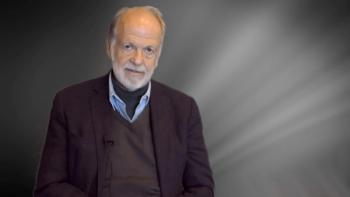
The Director of the UCLA Seizure Disorder Center explained the importance of referring patients with seizures to epilepsy centers.

The largest and longest prospective neuromodulation trial in the field of epilepsy showed about a 75% response rate with patients achieving at least a 50% reduction in seizures.
The Director of the Stanford Epilepsy Center discussed the current activities of epileptologists and considered how this might change in the near future, given advancing technology.
Regulatory action is expected to be made by May 2019. The therapy previously received a Breakthrough Therapy designation from the FDA.

The associate professor of neurology at the University of Rochester shared some of her advice for treating patients with epilepsy and focusing on the patient.
The director of the Epilepsy Program at Children’s Hospital of Philadelphia spoke about the long-awaited advancement brought on by cannabidiol for Dravet syndrome.
This novel dosage form of diazepam had comparable times to maximal concentration in both 2-hour and 4-hour timeframes.
The section chief of pediatric neurology at Nationwide Children’s Hospital and an associate professor of clinical pediatrics and neurology at The Ohio State University College of Medicine spoke about what the findings mean for patients.
The recently approved therapy remained generally well tolerated and improvements in overall condition in Subject/Caregiver Global Impression of Change scores.
Part 2 of the phase 2 trial in CMT is ongoing, expected to enroll 40 patients with the condition.
Since the therapy’s approval in 2014 for relapsing MS, 13 cases of patients experiencing these issues have been reported to the FDA’s Adverse Event Reporting System database.
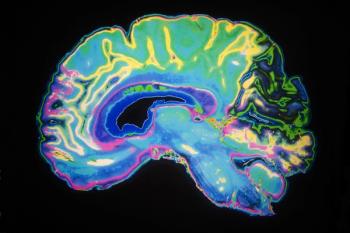
Experts provide new insights about the challenges of concussion care for pediatric patients, including management, diagnosis, and return to a normal lifestyle.

The Professor of Medicine at the University of New South Wales highlighted the latest knowledge in sleep apnea phenotyping and its crucial role in the development of targeted pharmacotherapies to treat OSA.
If approved, BHV-0223 would become the only formulation of riluzole that doesn't require swallowing tablets or liquids, offering an important delivery alternative for the standard-of-care treatment of ALS.

Actigraphic recording from upper extremities show consistently more prominent sleep fragmentation in rapid eye movement sleep behavior disorder patients compared to other sleep diagnoses.
Neurology News Network for the week of November 24, 2018.
The Jim Turner Chair in Cognitive Disorders at the Vanderbilt University School of Medicine shared how the previous muscarinic agonists have better informed the development of this investigational agent, VU319.
The agency warned that halting treatment with fingolimod could lead to rare but possible worsening of the condition, as well as permanent disability.
These findings are among the first in the United States to indicate an association between migraine and atrial fibrillation.
The director of the MedStar Georgetown University Hospital Headache Center shared her interest in the pipeline and the ongoing search for biomarkers in migraine.
The director of Parkinson’s Disease and Movement Disorders Program at Henry Ford Hospital discussed this pipeline of therapies and the enhancement of the clinical understanding of the disease.
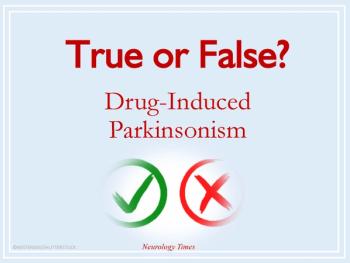
Does the atypical antipsychotic clozapine carry high risk for the development of drug-induced parkinsonism? What are DSM-5 criteria for the diagnosis of neuroleptic-induced parkinsonism? These questions and more in our quiz.
The director of the MedStar Georgetown Headache Center discussed ways to improve the patient-provider relationship and how primary care can get involved.
An increased risk of this condition in patients with migraine headaches has recently been recognized.