
Tracking mandibular movements is a useful tool when measuring the efficacy of oral appliance therapy in obstructive sleep apnea.
Tracking mandibular movements is a useful tool when measuring the efficacy of oral appliance therapy in obstructive sleep apnea.
The assistant professor of neurology at Weill Cornell Medicine shared the findings from a recent study that suggested a heightened risk of stroke may linger up to 3 months after myocardial infarction.

Could big data, combined with a biomarker, provide beneficial information for physicians treating multiple sclerosis?
The professor of neurology at Virginia Commonwealth University discussed all the progress that’s been made in the space and shared her thoughts on the advances.
The professor emeritus of psychiatry at the University of Pennsylvania’s Perelman School of Medicine spoke about the condition and the available therapies, as well as some of the needs that remain unmet.

Researchers found a link between atrial fibrillation and an increased risk of dementia and concluded that anticoagulants could help decrease that risk.
The associate professor of neurology and neuroscience at Weill Cornell Medicine spoke about the history of cell therapies for Parkinson disease and how it’s informing current work.

Cognitive complaints remain a major issue for patients with epilepsy, leading the epileptologist at the University of Pennsylvania to share her insight into addressing them.

The Global Medical Lead for Migraine and Headache at Teva Pharmaceuticals provided insight into how fremanezumab has helped to improve these facets of the condition.

The president of the ANA offered his perspective on these novel genetic therapies, as well as other a few other areas of interest.
Could 20 years of treatment for migraine have prompted a spontaneous absence of speech after this patient stopped taking her medication?

The professor of psychiatry and neuroscience at the Icahn School of Medicine at Mount Sinai spoke about new study findings that suggest antidiabetic therapy could reduce Alzheimer genetic expression.

The neurologist discussed an analysis of findings suggesting that opiate agonists may have a role in the treatment of narcolepsy.

The clinical professor in pediatric neurology and director of regional neurology services at Children's Hospital Colorado shared her thoughts on why epilepsy is the perfect paradigm to implement telemedicine.

Neurology News Network for the week of November 3, 2018.
In clinical trials, differences in the use of cholinesterase inhibitors and memantine between treatment and placebo groups may lead to the conclusion that a treatment is effective when it is not, or vice versa.
This is the first oral film formulation of clobazam approved, highlighting the challenge of medication administration in patients with LGS, who often struggle due to physical, behavioral, or cognitive impacts.

The neurologist from Cleveland Clinic discussed the challenges of treating progressive MS, and shared his clinical experience with ibudilast.

Although treatment needs to be assessed in a larger trial, it also showed improvements in 2 measurements of functional ability.
The Pediatric Movement Disorders Neurologist at UT Southwestern recommends that when encountering a patient with a movement disorder to organize your thought process in 3 steps.
The compromised microvascular and insulin receptor signaling pathways seen in Alzheimer disease have been shown to be reduced or normalized by exposure to antidiabetic therapies.

The medical director of clinical development at Biogen spoke about the current use of the biomarker and the steps being taken clinically validate it.

The epileptologist discussed this challenge, and shared her thoughts on how to maintain this communication.

The director of the Comprehensive Multiple Sclerosis Center at Thomas Jefferson University provided insight on the potential effect cladribine could have on multiple sclerosis.
Trial results showed a reduction of 61% in disease progression in both primary efficacy endpoints measuring cognition and activities of daily living at 14 months.
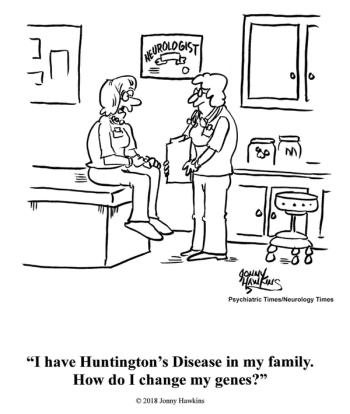
I have Huntington disease in my family. How do I change my genes?
The associate professor of neurology and neuroscience at Weill Cornell Medicine discussed this work, and what she and her colleagues believe could be addressed by a successful effort.

In its second phase 2 trial, the therapy, also known as AMO-02, resulted in improvements in cognitive function, fatigue, and neuromuscular symptoms.
The president of the American Headache Society shared her thoughts on how preventive medicines can alter migraine treatment for the better.

People of all ages occasionally report recurrent dreams, and there is an established association between negative dreams and daytime anxiety.