
It is often unclear which treatments are most appropriate for the constellation of concussion symptoms. Thus, evidence-based education as well as treatment and management options to facilitate recovery are required.
It is often unclear which treatments are most appropriate for the constellation of concussion symptoms. Thus, evidence-based education as well as treatment and management options to facilitate recovery are required.
Two young siblings presented to the pediatric department with mental retardation, developmental delay, ataxia, and nystagmus since birth. What's your diagnosis after reviewing the case?
Math capabilities of children with autism may be on par with those of typically developing children, but not so with language.
There appears to be a bidirectional relationship between migraine and depression, in which one disorder increases the risk for the other and vice versa.
How common is psychosis in PD? Implications? Risk factors? Insights here, and measures that may help.

Initial measures in the Axon Registry will assess care for Parkinson disease, epilepsy, distal symmetric polyneuropathy, dementia, headache, multiple sclerosis, and sleep apnea.

Which came first? Epilepsy or depression? The author sheds light on a complex relationship.
Here are a number of compelling reasons to consider seeking out a mentor to help you with your neurology career.
How best ensure an accurate ADHD diagnosis in the absence of an established gold-standard or neuroimaging test or biomarker?

Mentors might be older or younger than their mentees-it’s their experience that matters
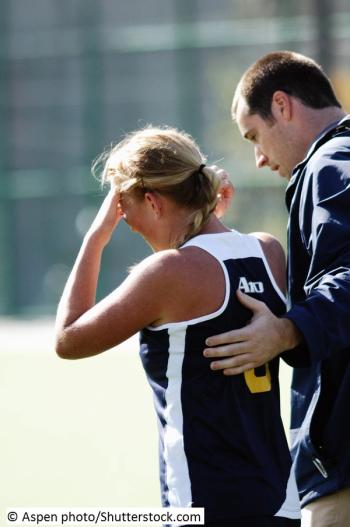
The top three reasons for not reporting a concussion was similar between males and females.
May news includes ground-breaking FDA approvals, predictions of Alzheimer disease, and a possible biomarker for mild traumatic brain injury.

Blood protein analysis of plasma total tau has diagnostic use in Alzheimer disease. Could the same hold true for CTE?
April news includes tools to manage brain injury and predict recovery, new drug hits and misses, and an updated epilepsy classification system.
Research presented at IBIA 2017 looked at risk behavior in adolescents, return to work, and maladaptive emotion regulation following TBI.
March news includes possible brain tumor therapies, a study exploring mechanisms underlying demyelination-induced seizures, and VNS post stroke.
February news includes stroke risk with Alzheimer disease & migraine, neonatal hemorrhagic stroke, and head trauma in sports.
January news includes the first FDA-approved drug for spinal muscular atrophy, various epilepsy treatments & vitamin D’s impact on Alzheimer & headache.
From Alzheimer disease to Zika virus, we’ve compiled a list of this year’s most popular articles on Neurology Times.
November news includes the first human clinical trial focusing on tau in Alzheimer disease and Zika-related microcephaly not presenting at birth.
Do lipid-lowering medications or low vitamin D levels in mid-life cause neurocognitive deficits? What effect does hypotension have on TBI outcomes?
November news includes potential Alzheimer treatments, FDA approval of a device to prevent recurrent stroke, & a newly typified headache disorder.
Oct. news includes an approved deep brain stimulation system for movement disorders & biomarkers that improve risk assessment in atrial fibrillation.

Second-impact syndrome remains a hotly debated diagnosis. A recently published case report evoked 3 commentaries from concussion management experts.
Our Sept. news includes a possible clinical marker and therapy target in Alzheimer disease and MS findings from an optical coherence tomography study.

A study of U.S. Armed Forces asks if severity of traumatic brain injury impacts the likelihood of developing headache or migraine.
Our August news includes a potential classification system for Alzheimer disease, new findings in a 3D model of TBI, and migraine treatments.

Recent neurological studies outline a link between TBI and Parkinson disease, discuss neuroimaging to predict recovery, and warn against DIY tDCS.
Our July news includes the Alzheimer-diabetes link, increased rates of Parkinson, and guidelines for acute migraine treatment in the ED.
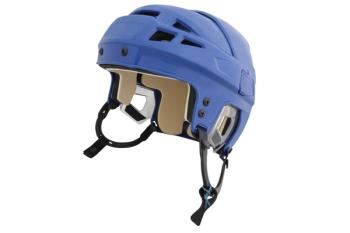
An experimental device designed to complement a helmet reduces brain slosh during head impact. Can it also prevent a concussion?