

As part of NeurologyLive®'s Year in Review, we've compiled the top coverage stories from 2024 across a variety of different neurological conferences the team either attended or covered virtually.
As part of NeurologyLive®'s Year in Review, we've compiled the top coverage stories from 2024 across a variety of different neurological conferences the team either attended or covered virtually.
As part of NeurologyLive®'s Year in Review, we've compiled the most-read feature-length stories that appeared on the website in 2024.
With new revisions of the MS diagnostic criteria being made, clinicians highlighted key updates and the broader implications it has for diagnosis, treatment, and healthcare practices worldwide.

The complement system is critical in immune defense and tissue homeostasis, but its dysregulation can contribute to autoimmune neurological disorders and neurodegenerative diseases like Alzheimer, ALS, and multiple sclerosis.

Vatiquinone, a small molecule inhibitor, demonstrated its efficacy and safety across a range of age groups with Friedreich ataxia, with effects seen on disease progression and specific subscales of the mFARS.

IJMSC Insights offers a closer look at the latest research and the people behind it from the community of the International Journal of Multiple Sclerosis Care (IJMSC) and the Consortium of Multiple Sclerosis Centers (CMSC).

As new treatments become available, it may be essential to achieve a timely and accurate diagnosis to enable patients and their family to make informed decisions and retain the greatest level of autonomy.

Adults with obstructive sleep apnea who receivied tirzepatide achieved an average of up to 20% weight loss and experienced at least 25 fewer breathing interruptions for each hour slept.

The professor of neurology at University of Florence talked about a study presented at ECTRIMS 2024 that validated definitions of progression independent of relapse activity in early relapsing MS. [WATCH TIME: 5 minutes]

Here's some of what is coming soon to NeurologyLive® this week.

Since the Syn-One Test only needs a small punch skin biopsy that can be collected in an office setting, the clinical utility can be enhanced to offer more geographically convenient access for patients earlier in the disease.

A duo of experts discussed the importance of addressing barriers such as provider comfort, access to genetic counselors, and insurance coverage to reduce diagnostic latency and standardize genetic testing for epilepsy. [WATCH TIME: 5 minutes]

Test your neurology knowledge with NeurologyLive®'s weekly quiz series, featuring questions on a variety of clinical and historical neurology topics. This week's topic is on CGRP medications to treat migraine.
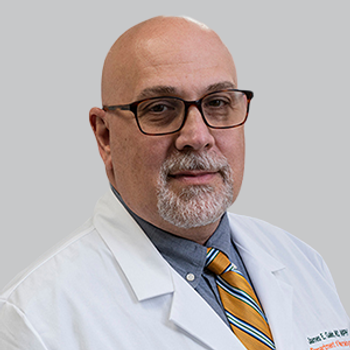
The investigational therapy was safe, well-tolerated, and showed promising improvements in cognitive measures among patients with dementia with Lewy bodies.

Human studies revealed thinner myelin sheaths in CD59-deficient patients, indicative of a process of segmental demyelination followed by remyelination.

Neurology News Network. for the week ending December 21, 2024. [WATCH TIME: 4 minutes]
Take 5 minutes to catch up on NeurologyLive®'s highlights from the week ending December 20, 2024.

Managing ALS, particularly its respiratory complications, requires a collaborative multidisciplinary team—including neurologists, pulmonologists, and respiratory therapists—working together to address the complexities of respiratory failure, the leading cause of death in these patients.

Although the primary goal was not met, prasinezumab demonstrated encouraging effects on secondary and exploratory measures, such as time to worsening motor function, Clinical Global Impression of Change, MDS-UPDRS motor scores.
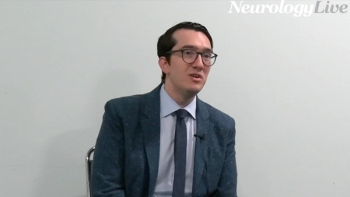
The assistant professor of neurosurgery and neuroscience at Mayo Clinic Arizona discussed an ongoing early-stage study assessing the therapeutic potential of NRTX-1001 nerve cell therapy in drug-resistant unilateral mesial temporal lobe epilepsy. [WATCH TIME: 5 minutes]

The program assembles a collaborative team of in-house and external experts in research, clinical care, and regulatory affairs to navigate gene therapy programs through the drug development process.

In the study, nearly 20% of patients with stable MS who discontinued their DMT had significant inflammatory disease activity compared with no participants who continued on with their treatment.
IJMSC Insights offers a closer look at the latest research and the people behind it from the community of the International Journal of Multiple Sclerosis Care (IJMSC) and the Consortium of Multiple Sclerosis Centers (CMSC).

At AES 2024, a duo of pediatric epilepsy specialists discussed how implementation science, validated blood biomarkers, and cross-disciplinary collaboration are advancing epilepsy care and closing research gaps. [WATCH TIME: 3 minutes]
The proof-of-mechanism study will evaluate single doses of QRL-101 in approximately 12 patients with ALS, focusing on excitability biomarkers like the strength-duration time constant (SDTC), safety, tolerability, and plasma pharmacokinetics, with topline results expected in early 2025.
The cumulative incidence of dementia was higher in people with OSA, particularly for women, across different age groups.

The chief executive officer and cofounder of Amprion provided clinical insight on the novelty behind the company’s synuclein seed amplification assay and how it may better differentiate synucleinopathies diseases like MSA. [WATCH TIME: 8 minutes]
Specialized teams at the AHN Headache Center, in Pittsburgh, Pennsylvania, offer crucial diagnoses and novel therapies for patients with migraine.
A duo from Child Neurology Foundation discussed advancing care, providing education for all stakeholders, and offering direct support to families, clinicians, and caregivers navigating neurological conditions for pediatric patients. [WATCH TIME: 5 minutes]

The chief medical officer at Stoke Therapeutics sat down at AES 2024 to discuss the promising data behind STK-001, an investigational antisense oligonucleotide in development for Dravet syndrome.