
The medical director of the Comprehensive Stroke Center at Cleveland Clinic provided an in-depth look at the problems surrounding access to care, including those that limit the application of telemedicine.
The medical director of the Comprehensive Stroke Center at Cleveland Clinic provided an in-depth look at the problems surrounding access to care, including those that limit the application of telemedicine.
The medical director of the Comprehensive Stroke Center at Cleveland Clinic detailed the differences between neuroprotection and neurorestoration, and the available options for each.
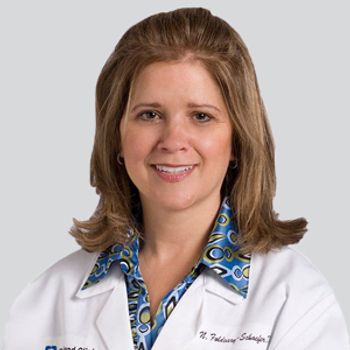
Nancy Foldvary, DO, MS, director of the Cleveland Clinic Sleep Disorder Center, discussed challenges faced when treating insomnia.
The medical director of the Comprehensive Stroke Center at Cleveland Clinic reviewed the timeline of administering various thrombolytic agents and the benefits they bring.
The Chairman of the Neurological Institute at Cleveland Clinic provided insight into the multidisciplinary decision-making process for patients with movement disorders at the center.
The medical director of the Comprehensive Stroke Center at Cleveland Clinic detailed the advantages of controlling blood pressure.
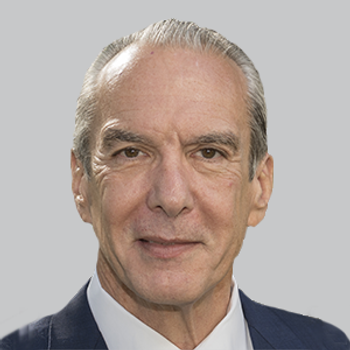
The director emeritus of the Cleveland Clinic Lou Ruvo Center for Brain Health discussed the significance of the HARMONY study findings and what they mean for the future treatment of dementia-related psychosis.
The medical director of the Comprehensive Stroke Center at Cleveland Clinic described the effects of limited medical resources on patients who have risk factors for stroke.
The Chairman of the Neurological Institute at Cleveland Clinic spoke to the differences between deep brain stimulation and focused ultrasound, as well as how they can be utilized to complement one another.
The Chairman of the Neurological Institute at Cleveland Clinic shared his experience with telemedicine and how he foresees it supplementing the current care offered in movement disorders.
The Chairman of the Neurological Institute at Cleveland Clinic discussed getting patient referrals for deep brain stimulation and how often patients miss the window during which the treatment could offer them benefit.
The director of the Epilepsy Center and vice chair of the Neurological Institute for Strategy and Development at Cleveland Clinic detailed the transition patients and doctors make from the office to telemedicine.
The Chairman of the Neurological Institute at Cleveland Clinic spoke to the history of neuromodulation and how it has evolved in clinical practice today.
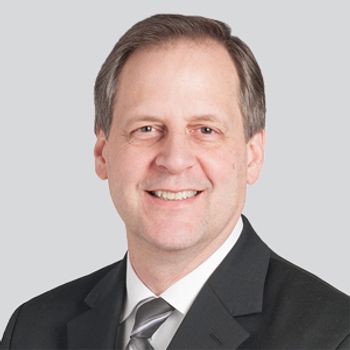
James Leverenz, MD, director of the Lou Ruvo Center for Brain Health at Cleveland Clinic, sat down to discuss the challenges faced in diagnosing Lewy body dementia.
The spine surgeon in the Center for Spine Health at Cleveland Clinic discussed the importance of patient-reported outcomes for patients who are undergoing spine surgery.
The spine surgeon in the Center for Spine Health at Cleveland Clinic spoke about the improvements in minimally invasive surgery and the areas ripe for innovation.
The director of the Epilepsy Center at Cleveland Clinic reviewed the role that wearable technology can play in detecting seizures in patients with epilepsy.
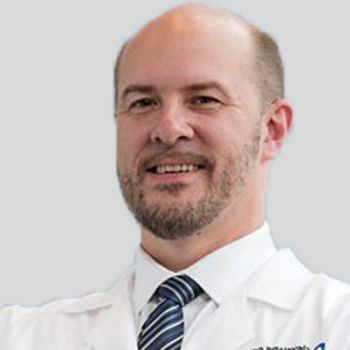
Benjamin Walter, MD, medical director of the Deep Brain Stimulation Program at Cleveland Clinic shared his personal experience with deep brain stimulation and focused ultrasound and the potential of the procedures.
The director of the Epilepsy Center at Cleveland Clinic discussed why cannabidiol should be used cautiously in patients with epilepsy.
The medical director of the Deep Brain Stimulation Program at Cleveland Clinic discussed how the medical field is beginning to explore the full range of focused ultrasound’s capabilities to aid treatment in Parkinson disease.
The medical director of the Deep Brain Stimulation Program at Cleveland Clinic spoke to the need for physicians to inform patients with movement disorders of DBS and the options that they may have for treatment.
The director of the Epilepsy Center at Cleveland Clinic explained why epilepsy surgery should be recommended and incorporated more.
The medical director of the Deep Brain Stimulation Program at Cleveland Clinic shared his perspective on deep brain stimulation and its impact on the treatment landscape.
The medical director of the Deep Brain Stimulation Program at Cleveland Clinic shared his insight into the current state of affairs in the Parkinson disease treatment paradigm.
The director of the Epilepsy Center and vice chair of the Neurological Institute for Strategy and Development at Cleveland Clinic relayed his excitement for a new advanced imaging tool that could change how epilepsy specialists diagnose and treat the disease.
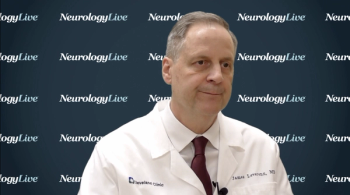
The director of the Cleveland Lou Ruvo Center for Brain Health at Cleveland Clinic offered insight into the challenges that have plagued physicians in identifying biomarkers for Lewy body dementia.
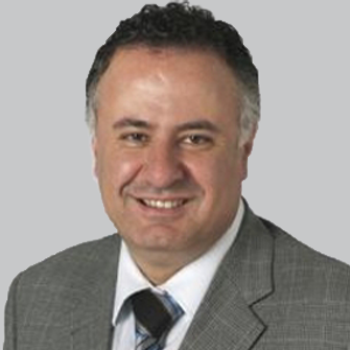
Imad Najm, MD, details how advanced telemedicine technology has created a paradigm shift in the way physicians see and treat patients at Cleveland Clinic and around the world.
The director of the Epilepsy Center at Cleveland Clinic spoke about the challenges faced when identifying focal cortical dysplasia.
The director of the Cleveland Lou Ruvo Center for Brain Health at Cleveland Clinic discussed the available options for Parkinson dementia and how they compare in Alzheimer, as well as the ongoing development in Alzheimer.
The director of the Cleveland Lou Ruvo Center for Brain Health at Cleveland Clinic discussed the ground that has been made in treating dementia, and how nuance in diagnosis can provide a possible leg up for physicians.