
Opinion|Videos|July 6, 2026 (Updated: June 8, 2026)
Hypogammaglobulinemia in MS Patients on Anti-CD20 Therapy: When to Act
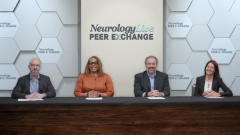
This episode discusses "Hypogammaglobulinemia in MS Patients on Anti-CD20 Therapy: When to Act." Dr. Williams identifies hypogammaglobulinemia — low IgG levels resulting from prolonged B-cell depletion — as one of the most clinically consequential long-term complications of anti-CD20 therapy, and asks the panel how they identify high-risk patients and manage this finding.
Advertisement
Episodes in this series
This episode discusses "Hypogammaglobulinemia in MS Patients on Anti-CD20 Therapy: When to Act." Dr. Williams identifies hypogammaglobulinemia — low IgG levels resulting from prolonged B-cell depletion — as one of the most clinically consequential long-term complications of anti-CD20 therapy, and asks the panel how they identify high-risk patients and manage this finding.
Dr. Greenberg notes that risk stratification is imprecise: patients who start with lower baseline IgG or who are older are at greatest risk, but it is not a foregone conclusion. The prevalence of hypogammaglobulinemia in treated populations ranges from 8–20% depending on the study. He shares that after initially referring all patients with below-normal IgG to immunology — and being counseled by his immunology colleagues to stop — he now monitors routinely (to capture trends) but acts only on clinical correlation, not numbers alone.
The panel agrees: IgG level alone does not reliably predict infection risk. Patients with recurrent bacterial sinusitis or pneumonia warrant further workup; patients with recurrent UTIs — the most common infection in this population — may have neurogenic bladder as the primary driver, rather than low antibody levels. IVIg has not proven broadly effective for UTI reduction in this setting.
An emerging concern raised by panelist is non-infectious pulmonary pathology: bronchiectasis and other structural lung changes have been identified in some patients, and pulmonology consultation is now warranted for patients with chronic cough — even when infection seems probable. The panel concludes that the overall safety profile of long-term B-cell depletion remains reassuring, as demonstrated by the Covid-19 experience, but vigilance and collaborative management are essential.
In the next episode, "Extended Interval Dosing of Anti-CD20 Therapies: Benefits, Risks, and Real-World Experience," the panel debates whether spacing out dosing is a viable strategy and what evidence supports or cautions against it.
Advertisement
Related to this article
Arimoclomol Plus Miglustat Shows Early, Sustained Slowing of Niemann-Pick Disease Type C Progression
A post hoc analysis of the phase 2/3 NPC002 trial presented at CNS 2026 showed that the benefit of arimoclomol plus miglustat in Niemann-Pick disease type C emerged as early as 3 months after treatment initiation.

The professor of neurology and program director of Neuromuscular Medicine at UC Irvine, discusses phase 3 NIMBLE trial findings for cemdisiran in generalized myasthenia gravis, including its novel siRNA mechanism, efficacy, and hospitalization data.

New 48-week phase 3 data show many patients with generalized myasthenia gravis reached minimal symptom expression on telitacicept, and most who did sustained it.

The Galassia trial will evaluate the safety and tolerability of intranasal cenegermin in about 60 children with spastic cerebral palsy across Italy.

New analyses found differences in functional outcomes over 2 years among patients aged 8 to 12 years treated with delandistrogene moxeparvovec, while separate findings characterized micro-dystrophin expression in children younger than 3 years.

The director of the Center for Neurological Restoration at Cleveland Clinic discusses when to transition beyond oral medication and considerations for selecting device-aided therapies in PD.

Here's some of what is coming soon to NeurologyLive® this week.

Test your neurology knowledge with NeurologyLive®'s weekly quiz series, featuring questions on a variety of clinical and historical neurology topics. This week's topic is recent therapeutic advances in MS!
Advertisement
Advertisement
Trending on NeurologyLive - Clinical Neurology News and Neurology Expert Insights
1
ELEVIDYS Shows Sustained Functional Differences vs External Controls in Older Ambulatory Duchenne Patients
2
The Road Ahead for Precision Medicine in Multiple Sclerosis
3
Telitacicept Shows Deepening, Durable Response in Myasthenia Gravis
4
Dompé Begins Phase 2 Trial Testing Intranasal Nerve Growth Factor for Cerebral Palsy
5